
Found 0 posts
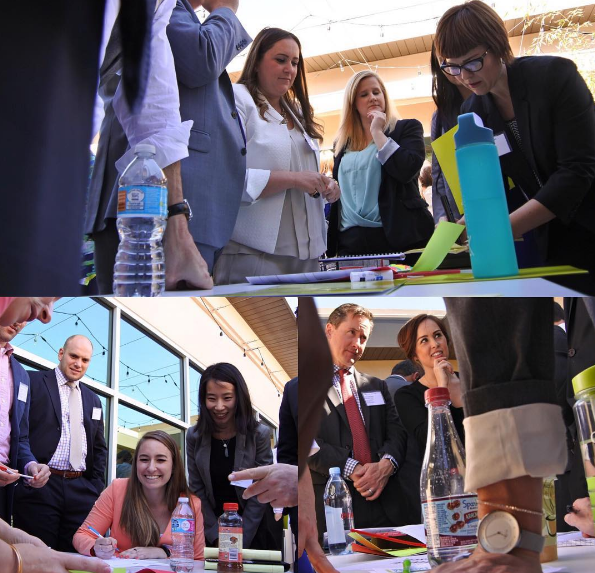
A happy and engaged employee is a productive employee. While everyone has different ideas about what constitutes a productive and proactive office environment, there are a multitude of ingredients that make up a team of focused and hardworking employees. Being more productive at work could be the key when it comes to getting your team on the same page. Consider the following examples of how to make your office environment strong and productive:
Culture. Personality is a very important factor in the hiring process. You may find the “perfect” employee on paper, but if they don’t fit in with the company (and your team’s) culture, everyone is likely to suffer. You can help new employees adapt to your company culture faster by encouraging teambuilding activities. Working together to accomplish a common goal brings people closer.
Lighting. It’s amazing how much work is done when people can see. As funny as that sounds, natural light has been proven to help with productivity, focus and energy. If you have access to a well-lit space, utilize it. Otherwise, invest in some good lamps with adjustable filters and energy saving light bulbs.
Space and decor. Aesthetics are important. A more homey feel (couches, pillows, comfy chairs) can do wonders for an employee’s work ethic and comfort levels, especially when they have space in which to move. Sterile offices make for sterile employees, but an inviting atmosphere makes people want to be working. Focusing on a clean workspace can really help to improve performance overall.
Flexibility. This one may be hard for some, but it’s extremely important to give employees some flexibility in their schedule. This doesn’t mean two-hour lunch breaks or binge watching Netflix at your desk. It means having the time for doctor’s appointments and kid’s recitals, and being able to work from home when the plumber is coming. Work is more enjoyable - and less stressful - when you still have time for everyday life.
Breaks. Productivity is not equal to the amount of hours sitting at one’s desk. In fact, your team is more likely to get burnt out if they aren’t given a minute to step away. Eating lunch at their desk doesn’t mean they are doing more - or better - work. Allow your team to have a few minutes each day to decompress, whether it’s to eat lunch in peace or grab a cup of coffee and take a walk. It’s a great way to re-energize and make good use of their workday.
Team building. A strong and productive team works well together because they like each other. Team outings build camaraderie and strengthen relationships. Anything from bowling night, to pizza parties, or eating lunch together once a month can reignite your team members’ passion for their work.
These are just a few examples of how to make an office environment strong and productive. Yet the common theme is simple: make your office a place where your team enjoys going to each day and you will see an exponential rise in productivity.
What do you think it takes to create an ideal productive working environment? Share with us on Cydcor’s Twitter and follow us @Cydcor.
We are Cydcor, the recognized leader in outsourced sales services. From our humble beginnings as an independent sales company based in Canada to garnering a reputation as the global leader in outsourced sales, Cydcor has come a long way. We’ve done this by having exceptional sales professionals and providing our clients with proven sales and marketing strategies that get results.

Most people will find themselves from time-to-time not performing up to their potential. It’s usually one or two things holding them back, and with the right coaching and mentoring, they can correct their flaws. When finding these types of toxic employee traits, it’s important to realize they can be fixed. Office leaders must work with their team to get rid of these flaws and improve on overall performance. A team that focuses on ridding themselves of the following toxic employee traits will rapidly find success.
Frequent Complaining
Everyone needs a few moments to grumble about something they aren’t happy with, but there are always people who don’t do anything about it. Leaders must work with these people to make improvements on their attitudes. By eliminating frequent complaining, a team can work more efficient and not sweat the small stuff.
Excuse Making
A professional always owns up to their mistakes and is willing to work toward fixing them. An employee who makes excuses on a daily basis does not demonstrate much responsibility. Make it clear that excuses will not be tolerated. Taking responsibility for actions is key to maturing into a true leader.
Gossiping
A strong team requires trust and faith in each other, and gossiping goes against both of these things. A team with the strongest bond possible will always trump anyone else. This may require extra time on team building exercises, as well as getting to know a team outside of work. When everyone can trust each other, there’s no point in spreading rumors.
Passivity
People who settle for less have no place on an all-star team. People who take initiative and aren’t afraid to be leaders will find themselves evolving for the better. Stressing the idea that everyone’s future is in their own hands can give a team that final push they’ve been looking for.
Non-Team Players
Everyone can work well solo, but they need to be able to collaborate with a team, too. When someone has an attitude that screams “my way or the highway,” it’s tough for others to cooperate. Let team members come up with solutions together, and reward those who are willing to work with others to get the job done.
Follow Cydcor on Facebook to keep up with the latest happenings of the recognized outsourced sales leader.