
Found 0 posts
This article is the fourth in a series of five blog posts from management expert, and Cydcor Chief People Officer, Jeannie Finkel. In this series, Jeannie recommends the Top Five Books she believes can help you transform your management style and become a better, more effective leader.
What really motivates people? What is that drives people to do their best work and be the most effective version of themselves? As a manager and leader, it pays to not just be able to confidently answer these questions but to lead in a way that inspires and fosters that passion to execute. While we all work to earn money, there are myriad rewards and benefits of a career that go far beyond monetary needs, and leaders who understand how to encourage employees and feed their emotional needs as well, have the opportunity to unlock hidden talents and potential – the kind that only emerge when employees love what they do.
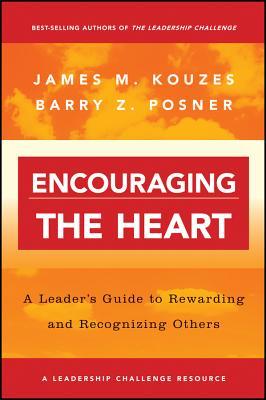
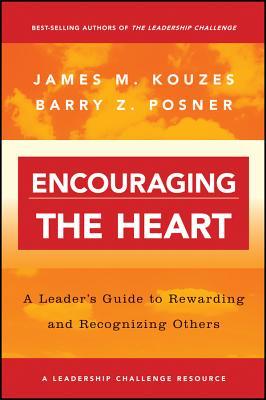
Below Jeannie Finkel recommends the book Encouraging the Heart by James Kouzes and Barry Posner to any manager looking to motivate his or her employees and help team members reach their potential through encouragement and inspiring leadership.
Book #4 Encouraging the Heart
Author: James Kouzes & Barry Posner
Short summary: This is a wonderful book about the art of rewarding and recognizing others, that opens up a world of possibilities beyond just monetary rewards. The book helps us explore what really motivates people and makes them feel appreciated. The authors are best known for their major works on leadership. First was The Leadership Challenge, published in 1987, and the associated leadership development program and assessment instrument they created, used by major multinational companies. The second was Credibility, which examines what makes leaders credible, based on years of research. This book is based on one of the “5 Leadership Practices” identified in The Leadership Challenge, and it’s the only one the authors chose to build out in such detail. Kouzes and Posner recognize that one of the hardest, but most vital, things for leaders to do is excel in meeting those basic needs we all have: to be respected for who we are and recognized for what we do. This book is a “how to” manual that will help and inspire you to become great at not just meeting those needs but also unleashing truly high performance and commitment.
What you’ll learn: As with the other Kouzes and Posner books, this one starts with some foundational research, principles, and introspection. You’ll take a self-test to see how you score on the “Encouragement Index” (and might learn, to your dismay, that you’re not as good at this as you could be!). The bulk of the book takes you through the “7 Essentials of Encouraging the Heart: Set Clear Standards; Expect the Best; Pay Attention; Personalize Recognition; Tell the Story; Celebrate Together; and Set the Example.”
In the concluding section, the authors revisit introspection, with a few thought-provoking pages on “Finding Your Voice”. And finally, they provide 150 suggestions for ways to get started!
Why it’s a must read: Honestly, all three of Kouzes and Barry Posner’s books should be read by anyone who aspires to be a leader. This one, in particular, is special because it speaks to those basic needs we all have, and what we hope we will experience from this thing called “work”. As the authors say, “To us, leadership is everyone’s business. Leadership is not about a position or a place. It’s an attitude and a sense of responsibility for making a difference.” Anyone who has to work with others to get things done can benefit from the wisdom and wealth of practical suggestions in this small volume. If we put them into practice, we can make our workplace a better place…and hopefully a BEST place!
If you found this book recommendation valuable, check back to read the upcoming and final post in this series. These books can help you become the kind of leader who inspires the passion, drive, and innovation necessary for organizations to produce extraordinary results. In case you missed it, don’t forget to read last week’s post about the book Leadership is an Art.
To find out more about Cydcor, check us out on Facebook, LinkedIn, Instagram, and Twitter.

Jeannie Finkel, Chief People Officer at Cydcor, the recognized leader in outsourced sales, has more than twenty-five years of business experience, managing human resources and administration at top firms. Jeannie served for nearly twelve years as a Senior Vice President of Human Resources at Charles Schwab & Co. Jeannie was also Head of Human Resources and Administration for a leading asset management firm, and served as Managing Director, Talent Management Systems and Strategies for a Fortune 100 organization. Jeannie later became a Partner with leading global retained search firm, Heidrick & Struggles. With years of experience managing teams and overseeing organizations, Jeannie is a seasoned expert in management, administration, and leadership.
This is the second in a series of five posts on tips and books for managers, and Cydcor Chief People Officer, Jeannie Finkel. In this series, Jeannie recommends the Top Five Books she believes can help you transform your management style and become a better, more effective leader.
Writing well isn’t just a nice talent you can use to impress friends and colleagues. Sure, it can do that as well, but effective writing is much more important than that. Clear, concise writing is essential to be an effective communicator, a skill you must have if you ever hope to succeed in a leadership or management role. The way you write and communicate can mean the difference between getting the job or not, gaining approval for a critical project, earning the confidence of your team or organization, and the ability to explain yourself in cases when your actions are not as well received or understood. Effective writing ability is not just nice, it’s critical. It can directly impact your ability to survive and thrive in the workplace and your future growth potential.
Below, Jeannie Finkel recommends a book she believes any manager must have to help improve writing ability and communication:
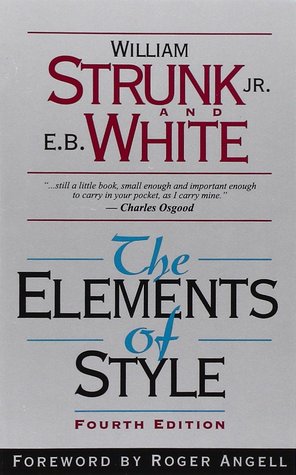
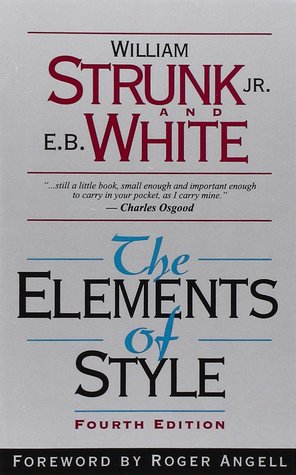
Book #2: The Elements of Style
Author: William Strunk Jr. and E.B. White
Short summary: If any aspect of your work involves written communication – beyond texting – and you want the quality of your writing to stand out, this little book will teach you what you need to know to master the core principles of writing clearly. It focuses on the fundamentals, clearly explaining proper usage and composition, and helping explain and address the rules of good writing that are most frequently violated.
This really isn’t a book you “read” per se. Rather, it’s a great reference tool that everyone who aspires to write well, or needs to influence, explain, or inspire would do well to study. It’s less than 100 pages, divided into three segments. The first segment is two chapters which give a set of “rules” for English usage and composition (you’ll remember grammar class in grade school!). Then there’s a terrific section about words and expressions that are most often misused – EVERYONE should review this part. The book ends with a set of 21 tips to keep in mind as you create your own writing style.
What you’ll learn: What you learn from this book really depends on what you need. If you’re newer to business and fresh from writing college papers, you might have to change your style to adapt to the brevity required for business writing, such as reports, PowerPoints, and emails. Find excellent advice to guide you through this transition under the sections entitled “Use definite, specific, concrete language” and “Omit needless words”.
Or, if you’ve been in the business world for some time and now need to or communications for publication, you’ll benefit from reviewing the chapter entitled, “Misused Words and Expressions”. We don’t notice many of these in our everyday conversations with friends, but they really stick out in a written piece!
Dip into the book enough and you’ll experience a true appreciation of the beauty and richness of our language, and realize the professor who wrote the original book truly loved his subject and hoped to pass on the art of communication to future generations.
Why it’s a must read: This is a desk reference I’ve kept with me ever since a rather embarrassing experience with a boss many years ago. I had just been promoted to my first Vice President level assignment, working for someone who had a reputation for being extremely tough. I was a literature major in college, and I thought I wrote pretty well. I wanted to impress him and show I was worthy of the big new job and title, so I wrote a lengthy memo about something I thought he should consider changing. But, I was afraid to be too direct in case he thought I was overstepping. Instead, I made it so indirect and wishy washy that (as I realized later) it was impossible to figure out what I was trying to say.
Thankfully, rather than ripping up what I’d written and leaving it in shreds on my desk, he said nothing. Instead, after lunch, I came back to a little brown paper bag from the bookstore down the street with this book in it, sitting on top of a copy of my memo. I opened it up and looked at the content. My boss had gone so far as to check off the sections he thought I should read, and underline several key sentences in red ink. This was the President of a key business unit who’d taken the time to go out and get this book for me and do this!! After I got over feeling mortified, I rewrote the memo (it was probably two pages shorter) and went in to thank him and make my case, this time much more directly, confidently, and clearly. We went on to be a great team and work together for many years, and we are still good friends today. I credit him, and this book, with setting me on a path to becoming an effective business writer! Maybe it will do the same for you.
Look out for upcoming posts in this series to learn about three more books every manager must have on his or her bookshelf to bolster professional growth and personal development. In case you missed it, don’t forget to read last week’s post about the book 13 Fatal Errors Managers Make and How you can Avoid Them.
To find out more about Cydcor, check us out on Facebook, LinkedIn, Instagram, and Twitter.
Jeannie Finkel, Chief People Officer at Cydcor, the recognized leader in outsourced sales, has more than twenty-five years of business experience, managing human resources and administration at top firms. Jeannie served for nearly twelve years as a Senior Vice President of Human Resources at Charles Schwab & Co. Jeannie was also Head of Human Resources and Administration for a leading asset management firm, and served as Managing Director, Talent Management Systems and Strategies for a Fortune 100 organization. Jeannie later became a Partner with leading global retained search firm, Heidrick & Struggles. With years of experience managing teams and overseeing organizations, Jeannie is a seasoned expert in management, administration, and leadership.