
Found 0 posts

This article is the fifth in a series of five blog posts from management expert, and Cydcor Chief People Officer, Jeannie Finkel. In this series, Jeannie recommends the Top Five Books she believes can help you transform your management style and become a better, more effective leader.
Managers, especially those leading a team for the first time, sometimes mistakenly believe that to be effective leaders, they must shape their team members' work styles and thinking to their own. But Ken Blanchard, the author of Leadership & The One Minute Manager, is a proponent of and helped develop the concept of Situational Leadership, a leadership style in which leaders adjust their own style to meet the needs and development levels of those they manage. It focuses on flexibility, adaptability, and an awareness of the competencies and individual strengths of those on your team. Leaders who are versed in Situational Leadership come to understand that there is no single best or right way to lead, but that what’s important is using the right leadership approach for each team member.
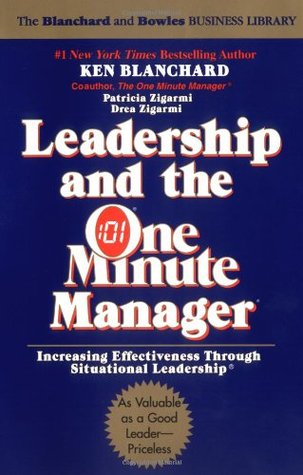
Below Jeannie Finkel recommends the book Leadership and the One Minute Manager by Ken Blanchard to managers and leaders as a tool to help them become more effective and capable of leading more productive teams.
Book #4 Leadership & The One Minute Manager
Author: Ken Blanchard
Short summary: Ken Blanchard is one of the best-known modern “Management Guru’s”, with a global management development consultancy and over 40 books published and millions of copies sold. One of the first and most famous is the One Minute Manager, followed by this one, which provides a simple framework to help managers use the techniques from the One Minute Manager to tailor their management styles to the unique situation and individuals they’re working with. As with many of Blanchard books, this one is written as a fable, with a fictional entrepreneur consulting the One Minute Manager for advice as she’s finding she’s unable to get everything done by herself but also unhappy with her team’s results. As the One Minute Manager sends her out to talk to people on his team, she discovers the various leadership styles an effective manager uses to work with people at all development levels. She learns what she needs to, to become a Situational Leader.
What you’ll learn: Without giving away this book’s great secrets, you’ll learn the key skills of a Situational Leader, which are: setting goals together to be sure you’re both on the same page; accurately diagnosing your team member’s development level on the particular goal or task (are they experienced or novice, for instance); and then matching your leadership style to the person’s development level. You’ll also learn the four key style choices leaders have to match with: Directing; Coaching; Supporting; and Delegating – and what sort of behaviors go with each. Throughout the book, you’ll find little phrases such as, “when I slow down I go faster” or “you can expect more if you inspect more,” which are also some of the “aha moments” the entrepreneur has as she goes through her learning journey with the various managers in the story. They are also illuminated as nuggets of management wisdom, wrapped around the core principles I just outlined.
Why it’s a must read: Every manager should learn and master Situational Leadership, preferably early on in their career. I personally learned it during my first two years of corporate life many years ago, and I use it to this day. Two of the biggest challenges first-time managers face are: time management and delegation. Situational Leadership helps address both. What I like best about it (besides the fact that it works) is that it’s collaborative. This is especially important even for seasoned managers who take on a new team. You won’t know right away what your new team members know or don’t know – but the simple act of asking someone what level of guidance they need from you, or how comfortable they feel with a project or task, immediately helps someone feel that you care about them and want them to be successful. Using Situational Leadership principles, to create a sense of partnership and ongoing, open communication with your team, stacks the deck in your favor as a manager!
While many management courses out there are pricey and inconvenient, you can get the same invaluable experience in these books for managers written by industry leaders. Read these other posts in this series to learn about other books every manager should have on his or her bookshelf: Encouraging the Heart, Leadership is an Art, The Elements of Style, and 13 Fatal Errors Managers Make and How You Can Avoid Them.
To find out more about Cydcor, check us out on Facebook, LinkedIn, Instagram, and Twitter.

Jeannie Finkel, Chief People Officer at Cydcor, the recognized leader in outsourced sales, has more than twenty-five years of business experience, managing human resources and administration at top firms. Jeannie served for nearly twelve years as a Senior Vice President of Human Resources at Charles Schwab & Co. Jeannie was also Head of Human Resources and Administration for a leading asset management firm, and served as Managing Director, Talent Management Systems and Strategies for a Fortune 100 organization. Jeannie later became a Partner with leading global retained search firm, Heidrick & Struggles. With years of experience managing teams and overseeing organizations, Jeannie is a seasoned expert in management, administration, and leadership.
This article is the fourth in a series of five blog posts from management expert, and Cydcor Chief People Officer, Jeannie Finkel. In this series, Jeannie recommends the Top Five Books she believes can help you transform your management style and become a better, more effective leader.
What really motivates people? What is that drives people to do their best work and be the most effective version of themselves? As a manager and leader, it pays to not just be able to confidently answer these questions but to lead in a way that inspires and fosters that passion to execute. While we all work to earn money, there are myriad rewards and benefits of a career that go far beyond monetary needs, and leaders who understand how to encourage employees and feed their emotional needs as well, have the opportunity to unlock hidden talents and potential – the kind that only emerge when employees love what they do.
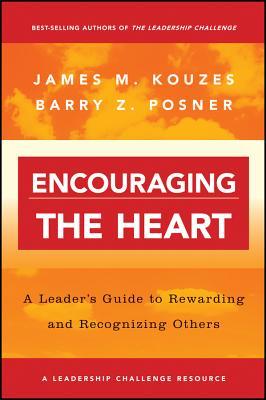
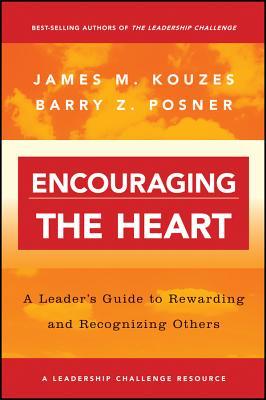
Below Jeannie Finkel recommends the book Encouraging the Heart by James Kouzes and Barry Posner to any manager looking to motivate his or her employees and help team members reach their potential through encouragement and inspiring leadership.
Book #4 Encouraging the Heart
Author: James Kouzes & Barry Posner
Short summary: This is a wonderful book about the art of rewarding and recognizing others, that opens up a world of possibilities beyond just monetary rewards. The book helps us explore what really motivates people and makes them feel appreciated. The authors are best known for their major works on leadership. First was The Leadership Challenge, published in 1987, and the associated leadership development program and assessment instrument they created, used by major multinational companies. The second was Credibility, which examines what makes leaders credible, based on years of research. This book is based on one of the “5 Leadership Practices” identified in The Leadership Challenge, and it’s the only one the authors chose to build out in such detail. Kouzes and Posner recognize that one of the hardest, but most vital, things for leaders to do is excel in meeting those basic needs we all have: to be respected for who we are and recognized for what we do. This book is a “how to” manual that will help and inspire you to become great at not just meeting those needs but also unleashing truly high performance and commitment.
What you’ll learn: As with the other Kouzes and Posner books, this one starts with some foundational research, principles, and introspection. You’ll take a self-test to see how you score on the “Encouragement Index” (and might learn, to your dismay, that you’re not as good at this as you could be!). The bulk of the book takes you through the “7 Essentials of Encouraging the Heart: Set Clear Standards; Expect the Best; Pay Attention; Personalize Recognition; Tell the Story; Celebrate Together; and Set the Example.”
In the concluding section, the authors revisit introspection, with a few thought-provoking pages on “Finding Your Voice”. And finally, they provide 150 suggestions for ways to get started!
Why it’s a must read: Honestly, all three of Kouzes and Barry Posner’s books should be read by anyone who aspires to be a leader. This one, in particular, is special because it speaks to those basic needs we all have, and what we hope we will experience from this thing called “work”. As the authors say, “To us, leadership is everyone’s business. Leadership is not about a position or a place. It’s an attitude and a sense of responsibility for making a difference.” Anyone who has to work with others to get things done can benefit from the wisdom and wealth of practical suggestions in this small volume. If we put them into practice, we can make our workplace a better place…and hopefully a BEST place!
If you found this book recommendation valuable, check back to read the upcoming and final post in this series. These books can help you become the kind of leader who inspires the passion, drive, and innovation necessary for organizations to produce extraordinary results. In case you missed it, don’t forget to read last week’s post about the book Leadership is an Art.
To find out more about Cydcor, check us out on Facebook, LinkedIn, Instagram, and Twitter.
Jeannie Finkel, Chief People Officer at Cydcor, the recognized leader in outsourced sales, has more than twenty-five years of business experience, managing human resources and administration at top firms. Jeannie served for nearly twelve years as a Senior Vice President of Human Resources at Charles Schwab & Co. Jeannie was also Head of Human Resources and Administration for a leading asset management firm, and served as Managing Director, Talent Management Systems and Strategies for a Fortune 100 organization. Jeannie later became a Partner with leading global retained search firm, Heidrick & Struggles. With years of experience managing teams and overseeing organizations, Jeannie is a seasoned expert in management, administration, and leadership.
This is the first in a series of five posts by management expert, Jeannie Finkel. In this series, Jeannie weighs in on the top five books for managers, featuring one book each week.
Being a great manager is a skill that benefits from constant honing and refinement. While some are born with the innate ability to influence others, inspire action, and drive results, most leaders require a great deal of training, practice, and studying to become as effective as they hope to be. There are many incredible management training courses available, but they can be very pricey. Luckily, there is a wealth of information that can help you transform the way you lead and manage your team available for free, from the local library.
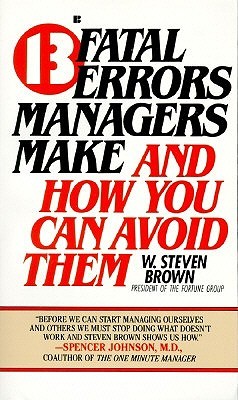
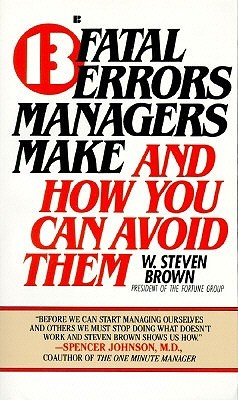
Book #1: 13 Fatal Errors Managers Make and How You Can Avoid Them
Author: W. Steven Brown
What it’s all about: Brown draws on his years of experience as a sales and management coach and consultant, working with Fortune 500 companies, to identify the top errors managers tend to make repeatedly, so we can recognize and stop doing them, or better yet, avoid committing them in the first place. The good and somewhat surprising news he shares is that there really aren’t that many – just 13 of them! He describes each one clearly, illuminating why the error gets in the way of achieving our goals as managers, and provides stories, examples, and suggestions to help us understand what the error looks like and how to correct it. He also ends chapters with helpful tools and a workbook section to create an action plan, summarize your key learnings, and think about how you’ll apply them.
What You’ll Learn: Whether you’re a new manager or one who’s been around a long time, there’s something in this little book for everyone. For newer managers, especially if you’ve been promoted from among a group of your former friends and peers, the transition to the role of “boss” and having to hold your friends accountable, can be very tough. For those in this tricky situation, the chapter, “Fatal Error #8: Be a Buddy, Not a Boss,” might really help.
For more experienced managers, who find yourselves wishing you could get your team to be more productive, there are great insights in the chapters “Fatal Error #3: Try to Control Results Instead of Influencing Thinking,” and “Fatal Error #7: Concentrate on Problems Rather than Objectives.” Or, maybe you’ve always been a top performer, and even though you set a high bar for your team, somehow, you know they can do even better. The chapters, “Fatal Error #5: Manage Everyone the Same Way,” and “Fatal Error #12 Recognize Only Top Performers,” could provide some good tips!
Why it’s a Must Read: I bumped into this book soon after it was first published, when I was a young manager. It was a godsend to me, as the firm I worked for did not provide any management training so I had to figure things out for myself. I discovered that I was committing most of these errors, and I quickly realized that the suggestions the author provided actually work. When I applied them to my own role, I became a much better leader of people, in large part because of the simple lessons this book offers.
This is a top management book I revisit every so often, and I recommend it to any new manager who’s just starting their leadership journey, as well as more experienced managers looking to strengthen their leadership skills. It’s really easy to read – you can probably finish it on a cross country plane flight or quiet Sunday afternoon – but the wisdom sticks with you long afterwards!
Look out for more book recommendations from management expert, Jeannie Finkel, as we continue our series on The Top Five Books for Managers. No matter where you are in your career, feeding your student mentality with advice from the top management experts can only aid you in your quest to reach your current and future goals and achieve success.
To find out more about Cydcor, check us out on Facebook, LinkedIn, Instagram, and Twitter.
Jeannie Finkel, Chief People Officer at Cydcor, the recognized leader in outsourced sales, has more than twenty-five years of business experience, managing human resources and administration at top firms. Jeannie served for nearly twelve years as a Senior Vice President of Human Resources at Charles Schwab & Co. Jeannie was also Head of Human Resources and Administration for a leading asset management firm, and she served as Managing Director, Talent Management Systems and Strategies for a Fortune 100 organization. Jeannie later became a Partner with leading global retained search firm, Heidrick & Struggles. With years of experience managing teams and overseeing organizations, Jeannie is a seasoned expert in management, administration, and leadership.