Discover practical advice, inspiration, and insights to help you succeed in business and grow both personally and professionally.
Found 0 posts

Learn more about Cydcor by connecting to us on LinkedIn! https://www.linkedin.com/company/cydcor
Every morning as you prepare for the day you face a simple choice: how are you going to accept the big and the small obstacles that you encounter during the day? Will you let these challenges become impossible obstacles or will you think like an optimist and turn them into opportunities?
Optimism is the tool you need, and the good news is that it can be developed. To engage your optimism, you need to mature the ability to pause for a moment when you encounter an obstacle. During that pause, begin to reframe what you’re seeing. Learn how to see an obstacle as an opportunity. Optimism isn’t a gift you’re born with—you develop it with practice and eventually you will become an authentic optimist, ready for any opportunity.
Consider these 5 ways an optimistic attitude will create positive results in your life. Try one at a time. Remember that becoming an expert with a new tool takes practice.
Acknowledging the good that you already have in your life is the foundation for all abundance. - Eckhart Tolle
It feels good to start your day with a grateful attitude. Your attention moves from the negative to the positive. Consider the good things in your life and your successes; even the small things are important. At the end of the day, before you fall asleep, think of five things that you’re grateful for and feel the happiness they bring to your life.
What matters most is not what these obstacles are but how we see them, how we react to them, and whether we keep our composure.- Ryan Holiday
If you identify something as an obstacle, your mind will respond with ways to make repairs; That means your energy is heading in the wrong direction- toward the negative. When you correctly identify a task, assignment, or a deadline as an opportunity, you begin to activate your optimism and align your skills toward a positive outcome.
Learn more about what Cydcor does for clients and team members by watching our latest video on YouTube.
You do not need to be a victim of worry. Reduced to its simplest form, what is worry? It is simply an unhealthy and destructive mental habit. -Norman Vincent Peale
Low optimism is evident when you’re confronting feelings of anxiety and fear about the future, which often leads to rumination, a negative type of self-talk that imagines everything that could go wrong. An alternative to ruminating is imagining the positive. Create a movie in your head that visualizes your confident self, feeling powerful and achieving success.
People may hear your words, but they feel your attitude.- John C. Maxwell
Language defines our emotional state and creates the space in which we respond to a challenge. Instead of saying, “it’s impossible,” say, “it’s a challenge.” Shift your “no” toward “yes”. Stop complaining about personal problems and things that are getting you down. Greet the people you encounter with an optimistic response. If someone asks, “How are you?” Your response will be, “I’m doing great today.” Optimism is powerfully contagious and will make a great impression on the people you meet.
No one knows more about optimism than a Cubs fan. After waiting 104 years, it's our optimism, and not the winning, that binds us together. We really do believe the next year will be the year. -Grant DePorter
Begin to pay attention to sources of negativity in your life. Does listening to the nightly news lead you to feeling sad? Then find a commentator or writer who answers despair with hope and celebrates positive stories. Volunteer your time working on a cause that helps others. Cydcor provides employees with an opportunity to support Operation Smile. Joining a group that’s doing good means you’re making the choice to be around optimistic people. Eventually, their optimistic view of things will contribute to your success as your optimism also grows.

Cydcor is dedicated to helping business professionals take the next step in their careers. For additional blogs regarding business, leadership, and sales advice, head over to https://www.cydcor.com/media.
Sales professionals have a natural impulse to focus attention on developing new customer relationships in order to land new accounts. It’s a good impulse, but it’s one that you need to manage in order to maintain existing customer relationships.
At Cydcor, we’re interested in pursuing new opportunities, but we also understand that you can’t forget current customers in the pursuit of new possibilities. Customer relationships aren’t over once you close the sale. It’s the start of a long-term partnership that will benefit your company and your customer.
Here are some strategies for building—and maintaining—great customer relationships.
Remember Their Names
Whether you’re working with a small company or a large corporation you’ll be working with an individual—a person. He or she has a family, a birthday, a new child, or a feisty puppy. Get to know your customer. Include a few notes in your contact management system to help you remember personal details that distinguish them. Personal knowledge provides a way to start a sales conversation. Reach out on your customers’ special days and they’ll remember that you made an extra effort when they have to make purchasing decision.
Become a Solution Center
Offer your customers the resources they need to stay informed about changes, improvements, and up-dates in the service you provide. If your company offers a newsletter make sure that your customer knows about it. When you find articles, books, or webinars that might be useful to your customer remember to share them. Call out the information that will be valuable to them and their particular problems. They’ll appreciate that you personalized the information for them.
Monitor Customer Relationships with Social Media
Research by Zendesk says that 45% of customers shared bad customer experiences and only 30% shared good customer experiences on social media. This information is an important tool for building customer relationships. Follow your customers’ social media accounts on Facebook, LinkedIn, and Twitter. Listen to what they’re saying and you’ll be able to fix any issues if they happen.
Customers Are Team Members
Include your customers in events that matter to them, to your company, and his or her company. If your department is hosting a networking event or is launching a new service make certain that your customer hears about it. When you’re working on improving your team’s internal processes get your customers’ feedback. Show them that you value their business and their professional expertise.
Keep up with the latest updates from Cydcor by following us on LinkedIn: https://www.linkedin.com/company/cydcor
Keep up with the latest company news and announcements from Cydcor by connecting with us on LinkedIn.
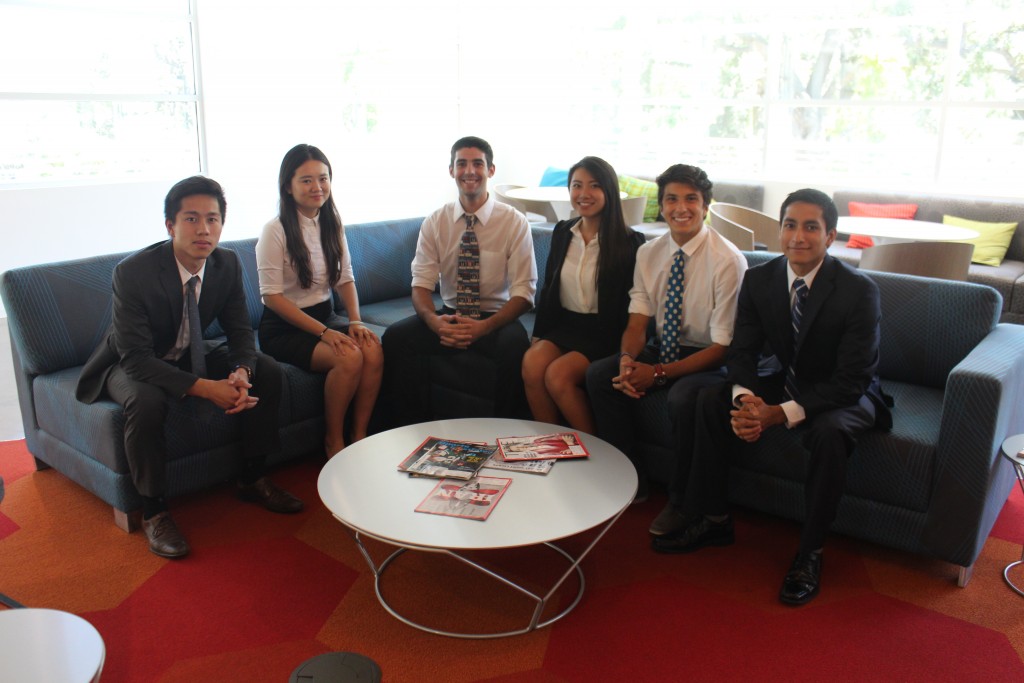
Cydcor, the leading provider of professional in-person sales teams, provided a select group of students the opportunity of a lifetime: an internship program at Cydcor’s offices in Agoura Hills, CA. Each year, the company provides gifted students with the prospect of building business experience in a real-world corporate setting. Their assignments are designed to match their current interests or studies, such as event planning, finance, or marketing. The interns receive special training and are expected to accomplish real work in their departments. Cydcor is proud to provide this opportunity each year, and help these talented students craft a vision for their professional life after college.
Cydcor’s Summer 2015 interns provided the following feedback on their experience working at our offices in Agoura Hills, CA:
Juan H.
People here at Cydcor are very welcoming and help interns experience the real business world by treating them as an employee who belongs to their team. In several projects that I worked on, I had the freedom to use my own methodology. For example, when Crystal Fernandez assigned me new tasks, I had the freedom to use the approach I was most comfortable with. One of the best things of working at Cydcor this summer was the opportunity to attend Lunch and Learn. It provides interns the opportunity to explore different departments within the company, and to understand the culture of the company.
What role did you have as an intern, and what was your primary project?
I worked as a business development analyst. My main role within this internship was to provide effective and accurate market research because we are looking for future opportunities to expand our business. Furthermore, this position provided insight into consulting jobs since I was assigned to work on several issues within the department.
How would you describe Cydcor’s company culture?
Cydcor has a unique culture because its main objective is to enhance employees’ productivity by providing them a happy, relaxed, and professional environment. Companies are always concerned about their dress code and professionalism, but what is different about Cydcor is that we perceive results from internal sources rather than external ones. What I mean is that Cydcor’s dress code is less strict than those in other corporations because their main goal is to make an employee feel at home and happy. And when you have happy employees, you get better productivity, efficiency, and good results.
What experiences and new skills gained were most valuable?
After working for Cydcor, I was able to nurture my skills regarding market research analysis, executive decisions, and teamwork experience. Yet, the most valuable skill I gained was time management. My supervisor Crystal Fernandez helped me develop organizational and planning skills because she wanted me to always plan my activities following a schedule, which I feel is a great asset since it enhances one’s output.
What would you say to other students considering an internship at Cydcor?
If you are someone who puts the time, effort, and passion to learn new things, then Cydcor is the right place for you to learn. This company not only gives you the opportunity to express your ideas, but your idea can potentially become one that the executive board could implement. How great would it be for student to have your idea implemented by a company? If you want to contribute to a company’s change and structure come and join Cydcor.
Julian G.

My journey at Cydcor has been very unique. From the moment I had my first interview, I knew this is where I wanted to spend my summer. Everyone was extremely friendly and humble, and they even told me they would provide me with mentorship and free lunch. What more could a student ask for?
What experiences and new skills gained were most valuable?
Cydcor’s program has been both fascinating and challenging. They not only provided me with interesting tasks, but they were also very challenging. It allowed me to learn every day, developing skills in Excel and Business Intelligence, a software application used to analyze an organization’s financial data.
What would you say to other students considering an internship at Cydcor?
I highly recommend interning at Cydcor because I believe that the things I have learned during the internship will give me a competitive advantage when recruiting next year for a full time job.
Yangzi Z.

There were many things I enjoyed this summer at Cydcor: the working environment, company culture, the mentorship program, and the Lunch and Learn workshops. And the coolest CEO!
What role did you have as an intern, and what was your primary project?
I worked in the accounting department, mostly providing support. I also worked on several projects, including profitability analysis, invoice reconciliation, invoice recording, bank statement reconciliation, and client financial statement analysis.
How would you describe Cydcor’s company culture?
Company culture is my favorite thing about Cydcor. Personally, I think instead of being a corporate company, Cydcor is more like a big family. Everybody is so close to each other and overall it is a great place to work, learn, and grow.
Tina H.
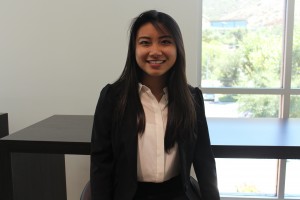
The working environment is collaborative and energetic. I got to learn about what different departments do and how the entire company functions. The people here are friendly and always willing to help.
What role did you have as an intern, and what was your primary project?
I was working for compliance and quality assurance. My primary projects were audit projects to ensure we have quality sales.
How would you describe Cydcor’s company culture?
Cydcor’s company culture is very friendly and collaborative.
What experiences and new skills gained were most valuable?
I really enjoyed the intern project I worked on with all the other interns. I think it’s challenging and helped me improve my problem solving and team work skills. Being in an office and working on real life tasks also helped me learn about how I should act in a business setting.
What would you say to other students considering an internship at Cydcor?
It’ll be a fun learning experience. Don’t miss out.
Miguel B.

What role did you have as an intern, and what was your primary project?
My role as an intern was to help out HR and Learning and Development with the open enrollment presentation and the new hire surveys.
How would you describe Cydcor’s company culture?
Based off my personal experience, I would describe Cydcor’s culture as motivating, enthusiastic, positive and joyful.
What experiences and new skills gained were most valuable?
I think the graphic design and video-editing skills I developed was the greatest thing I took away from this experience.
What would you say to other students considering an internship at Cydcor?
I would tell them how great of an experience I’ve had and how much I’ve learned over the course of 10 weeks.
Sam C.

The office has a pool table, Ping-Pong, a lot of free food, and a gym. I have friends that spent their summers getting coffee, making copies, or refreshing their emails. I also think that having other interns my age and sharing a group project was great for my overall experience. I am also working in the newest department at Cydcor so there isn’t really a “protocol” on how to do things, so in my projects I was given a lot of freedom.
What role did you have as an intern, and what was your primary project?
I worked on a digital resource center that the field can use with all of their sales and to make their training more efficient. I also was one of six interns working on the internship project. For the project, we came up with specific recommendations to improve the company and presented our findings to the executive team.
How would you describe Cydcor’s company culture?
It’s welcoming. I think that the people around me reached out at all times and I never felt like a burden, but that people genuinely want to help. I feel as though I know many different people in this big office from all different departments. The atmosphere can be fun and relaxed, but also motivated and focused on the work that needs to be done.
What experiences and new skills gained were most valuable?
I think just being in a real world environment is the thing I will take away the most from this summer. I would also say that working with other people to solve problems has been a skill I have acquired or improved this summer.
What would you say to other students considering an internship at Cydcor?
I would say be prepared to meet a lot of great people and that it is a fun time. I would say that you are going to work hard, but the work is meaningful and it is for people you like and respect.
Head over to https://www.cydcor.com/careers to learn how you can join the Cydcor team today!
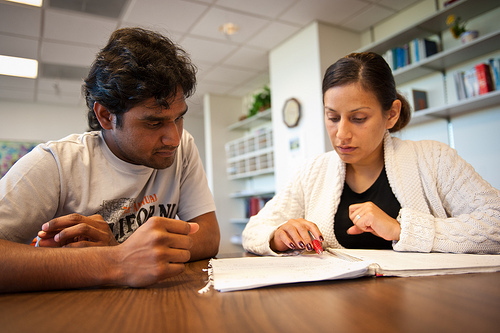
A mentor is a guide and counselor who provides career advice and support. This relationship—also a process—often involves a younger person seeking out the guidance of a more experienced employee or supervisor.
In some cases, a mentor provides this service as way to do good or “pay it forward.” Perhaps someone in their past took the time to help them out in their career development, and to honor the kindness and help they received, they seek to share their abilities with someone new.
Some schools, companies, and social organizations may have formal mentorship programs that match a more experienced person with a less experienced person.
One of the keys to a successful mentor and mentee relationship is enthusiasm. You should only pursue start the process if you’re honestly interested in developing your professional skills and committed to paying attention to the lessons a mentor has to offer. Before you seek out a mentor, review your goals and expectations.
A Mentorship Self Review
What do you want to learn from a mentor?
A mentor could teach you about the qualities required to be a good leader. A mentor might also teach you a technical skill—how to master a piece of sophisticated software—that will also take time to learn. A mentor could coach you on professional skills related to sales and business. Before you approach a potential mentor you need to know what you expect to learn and communicate those expectations to your mentor.
Are you ready to go back to “school”?
Finding a mentor and improving your professional skills is a great idea. You need to listen to what your mentor says and do what they tell you to do. It’s a bit like being back in school because you must be willing to follow their orders. You have to do your “homework” or you’re wasting your time and—even worse—your mentor’s time.
Do you have the time to commit to learning something new right now? Calculate the amount of time you’ll work with your mentor weekly. Figure out how much time you’ll need to study and practice your new skills. You’re going to need to schedule time for reading and studying. To sum it all up—do you have time to work with a mentor and commit to learning a new skill?
Important Qualities to Look for in a Mentor
Wisdom This quality covers a lot of ground. You want to find someone with experience that relates to your career path. But, more than that, you want someone who has the ability to review their own experience and pick out lessons that are important to share. The mentor needs to be able to identify key lessons insights that you will be able to learn from.
Authentic Working with a mentor involves an honest exchange of information, questions and answers, and sharing experiences. You’ll learn about your mentor. Your mentor will learn about you. He or she should be interested in hearing about your experiences, interests, and questions. If your potential mentor is only interested in telling stories about their success, you won’t have an authentic experience. It’s a waste of your time.
Trustworthy Asking someone to become your mentor can be risky. You might approach someone who you’ve worked with closely in the past and whose character you understand. You may also recognize that there is a colleague from another department or someone you know from your professional community. Working with them in an honest way may require that you confide in them and share some of your professional ideas and work experiences. Is the mentor you have in mind worthy of your trust?
Engaged You’re selecting a mentor based on their knowledge and experience. You’ll benefit most from a mentor whose experience is informed by a complete understanding of past and current practices in your industry. You want to improve your skills and build your mastery of a skill or process. This isn’t a history lesson. Your mentor must be engaged, open-minded, and love learning just as much as you do.
Learn more about Cydcor and what we do by checking out our latest videos on YouTube: https://www.youtube.com/user/Cydcor

Recent research has revealed that people perform better at work and in life if we practice strategic renewal. If you’re rundown you’re more susceptible to getting sick and miss days from work.
You need to get more sleep during the week, scheduling daytime workouts, eat healthy foods, and enjoy rest and relaxation away from the office with your team members whenever possible.
These simple changes in behavior are guaranteed to improve your attitude about work your performance at work—and maybe even your beach volleyball skills.
Humans aren’t designed to run on high level without having a period of rest and relaxation. You need a time for renewal. It allows you to relax and rejuvenate your mind and body.
That’s why Cydcor’s R&R Cancun 2015 is such an important event. It celebrates your accomplishments and reminds us all that we need to take a moment to stop and smell the frangipani.
Here are some of the specific benefits of rest and relaxation whether you’re on the beach or in your own backyard:
Restores your energy: You need to recharge you batteries in order perform at peak effectiveness throughout the day. Rest and relaxation is part of your work cycle and taking advantage of it whenever possible will improve your productivity.
Repairs your body: Our bodies repair themselves from daily wear and tear when we rest. Rest and relaxation reduces stress and improves overall health. You’ll be able to easily work a full day.
Improves your focus: An active mind gets tired just like an active body. Including time to quiet your thoughts and letting your mind rest is part of the healing process. You’ll improve your ability to concentrate and problem solve at work.
Improves your mood: Relaxation makes you feel happier. When you choose to think about things that make you feel good, you’ll discover that you actually feel more positive about the challenges you face at work. You’ll begin to see obstacles as opportunities.
Increases your creativity: Too much stress and activity often disconnect you from your creative potential. Rest and relaxation will allow you to regenerate as an individual and as a team. Your ability to create and innovate as a team member and as a cohesive group will be improved when you return to work.
Keep up with the latest posts from R&R 2015 by following Cydcor on Instagram! https://instagram.com/cydcor/
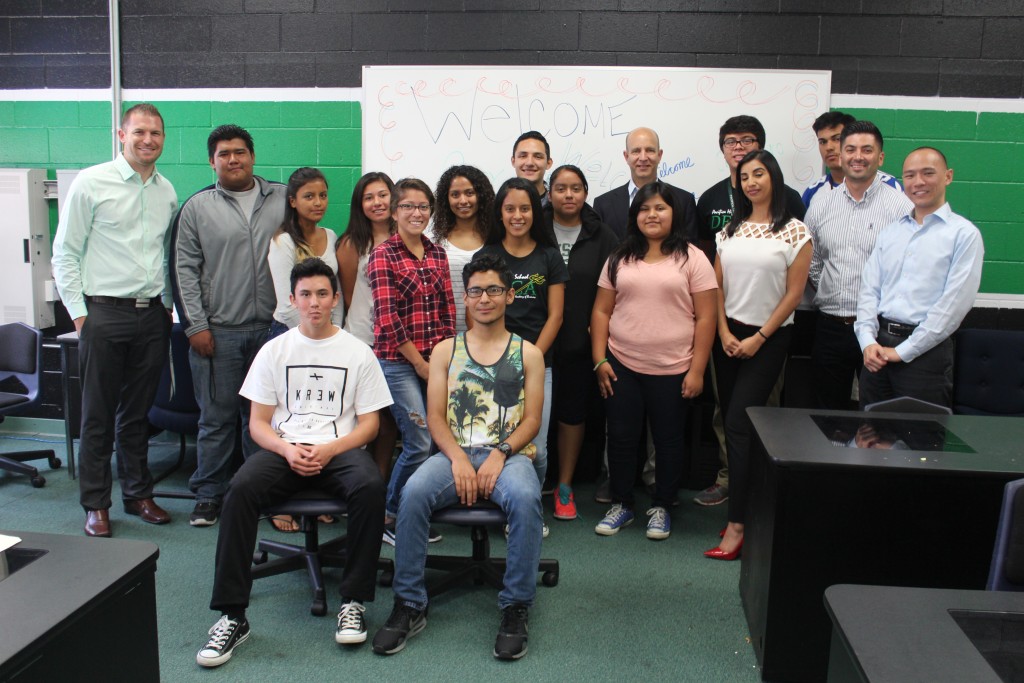
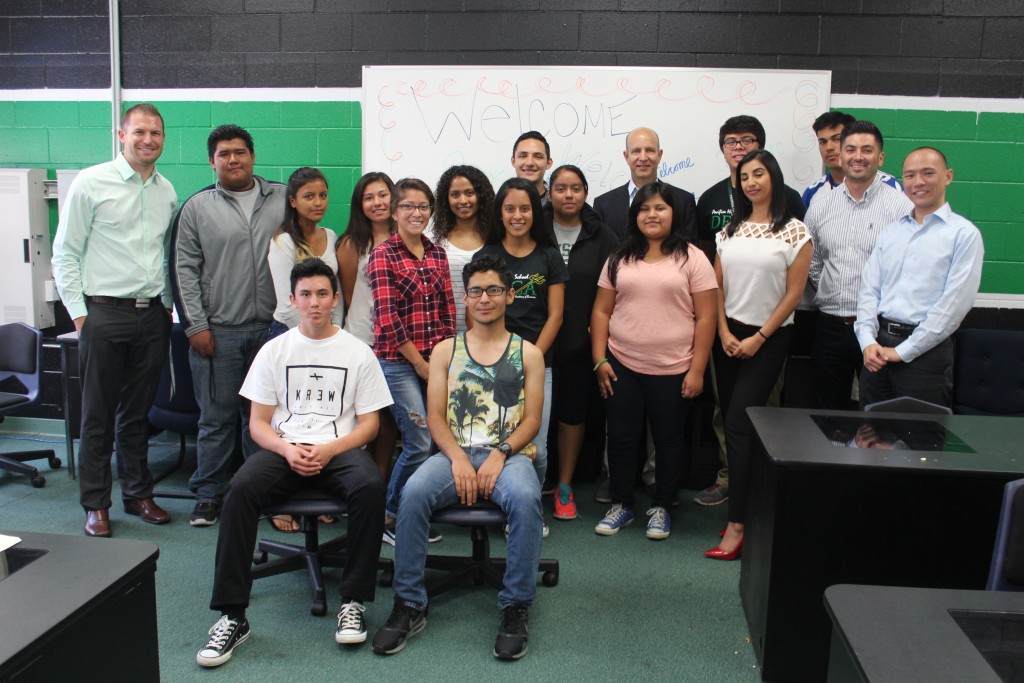
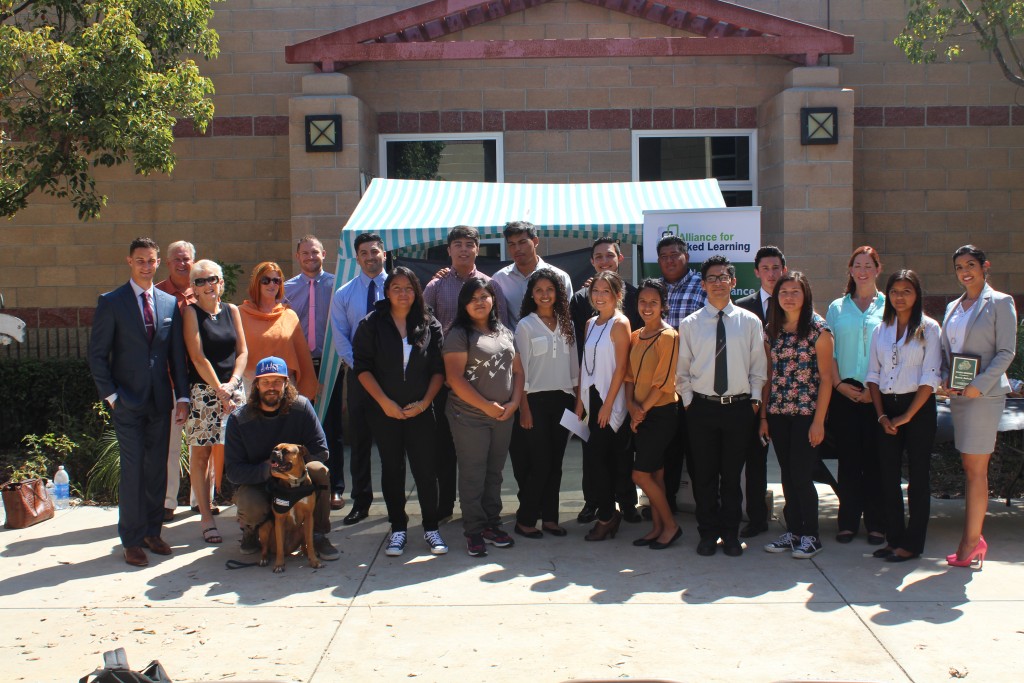
Cydcor, the recognized leader in outsourced sales services, recently led an educational outreach experience project titled Project Launch for DECA Academy of Business students. Pacifica High School’s Academy Developing Entrepreneurial and Corporate Assets (DECA) Academy of Business is a career academy at Pacifica High School in Oxnard, CA. Cydcor introduced students to Project Launch on August 20th, continued with additional training on August 21st, and closed on August 28th with an announcement of program winners.
Cydcor’s Project Launch program has been carefully designed to grow student awareness of three significant career options: Hospitality and Tourism, Accounting and Finance, Marketing and Business. Students engaged in Project Launch learn professional and personal skills that will prepare them for college or the professional workforce.
Cydcor executive leadership and senior staff have partnered with Glen Polson of Creative Product Sourcing in this educational outreach program to once again show our profound commitment to community service.
Cydcor’s Project Launch is a community outreach program designed to give students an opportunity to work on a real-world business problem. Students are engaged in a scenario that requires them to fill a need, fix a problem, or create an idea. It’s an important training experience for students since every professional person has to face these problems on a regular basis—with increasing complexity—as their careers develop.
Each day of the program has been carefully planned by Cydcor volunteers to create a realistic work experience. The program began on August 20th with Glen Polson of Creative Product Sourcing introducing the main challenge of project—a T-shirt design contest that will benefit the D.A.R.E (Drug Abuse Resistance Education) program. The winning design will be sold online and in the D.A.R.E program. This 3-day program includes a second design contest that requires students to create a logo for Project Launch, the 3-day program they’re participating in.
On the first day of this workshop, Cydcor team members provided a 45 minute presentation that allowed students to experience a brainstorming session. It showed the students the skills needed to generate ideas, choose an idea that works, create an action plan, assign tasks, and execute their work plan.
Next day, the students recapped what they learned during the first day. This on-the-spot review was included in the project intentionally to let the students experience the surprises and sudden changes that are part of a real world work situation. In addition, they were introduced to a second challenge – to design the Launch Project Logo.
Students closed the day on a high note with the arrival and focused attention of Cydcor’s President, Gary Polson. He provided insight and advice focused on the importance of engaging in your own education, making the right choices to have a better future, and never giving up no matter the circumstances faced. He encouraged the students to continue to develop their skills and education through opportunities they encounter such as programs like Project Launch.
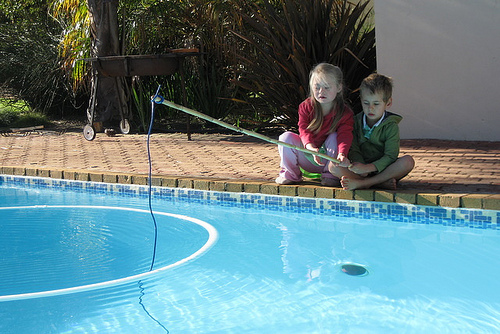
Is your glass half full, or is it half empty?
Before you answer this question, take a moment to think about what you’re being asked. The standard response from a traditional optimist is that the glass is half full.
Pessimists also provide an expected answer and observe that the glass is half empty. But an authentic optimist, one who’s been improving his or her performance at work and in life, will simply say, “I’m thankful that I have a glass.”
You see, the authentic optimist has developed the ability to see the details in the situations and challenges the encounter every day. They have learned to recognize opportunity and respond with originality tempered with a bit of audacity. Optimism has a lot of benefits—one of them is original thinking.
Optimism isn’t a trick. It’s not a gift, either. It’s something you can learn. It’s a skill you must learn if you want to develop your career and build success. At its best, optimism is a way of life. Are you ready to embrace it fully?
You may have been taught that to be an optimistic person you must “hope for the best.” Actually, those are two different things. Hoping for the best leads to passive decision making - you will sit where you are until something good happens. But you may be sitting in the wrong place. When something good happens on the next street over, you’ll miss it entirely because you misunderstood optimism.
Optimism is a state of mind, a decision, and a daily practice. As you begin to cultivate your own personal optimism you’ll begin to see that it’s not a magic bean or a book of spells. Optimism is a point of view. It’s learning how to see that each challenge you face at work, on the road, on the phone, and at home, presents you with an invitation and an opportunity to achieve your goals.
Now, it’s easy to see bad news and difficulty. Even some optimistic people may see that the glass is half empty. But authentic optimistic people have developed their skills to achieve and expect success. They never stop looking once they notice that the glass is half empty. An optimist sees that there are choices to be made and opportunities to be considered.

Even if you’ve been born with a friendly personality, you may find yourself stuck when you’re in a situation that requires you to start a casual conversation. If you’re a naturally quiet person, these social situations might be uncomfortable experiences. When you’re nervous you lose your confidence and find it difficult to focus. Follow these suggestions and learn how to turn small talk into a new skill!
Don’t Just Say Hello!
Saying hello is a standard introduction during a social encounter. It works, but it leaves the conversation with no place to go. Instead, get the conversation rolling with adding open-ended questions.
Small Talks Needs a Big Brain and a Big Attentions Span
Once you’ve asked an open-ended question, pay attention to what the person is saying. At the same time, think of one or two follow up questions based on what the speaker says. Pay attention to their eyes and facial expressions. You can nod your head to show that you’re listening. It’s okay to smile, laugh, or become serious depending on the conversation. When there’s a natural pause in the conversation, make a comment and ask another leading question. If you get nervous, just take deep breaths and try again.
Common Interests Build Common Ground
As you continue your conversation, you’ll discover shared professional interests and concerns, which will help you build a conversational connection. If you’re attending a business conference, you have the topics related to your business in common. This can be a great confidence builder when it comes to improving your casual conversation skills.
Know When It’s Time to Go
After a certain amount of time, you will know that you’ve reached the end of your conversation. At that time, let your contact know that you have other people to speak to. Simply say, “I’ve really enjoyed speaking to you, and I appreciate all the information you shared and getting to know more about your business. Here’s my card. Can I have your business card too?”
If you say that you’re going to follow up or provide some kind of information—do it. That’s how you turn small talk into big success—one conversation at a time.


Keep up with more the latest updates from Cydcor by following us on Instagram!
The day you return to the office from a business trip will be focused on getting caught up on work that you missed. If possible, don’t schedule any meetings during your re-entry. Here are some other great tips for how to get back into the groove of the workplace.
Stay In Touch While You’re Away
Use social media to stay in touch with your team at work, as well as your family and friends. Check your email and voicemail so messages don’t pile up. Even though you have set up a system to control your workflow while you’re out of the office, things sometimes slip through the net. Let your team members know that you’re working on various problems. Ask them for help with items you can’t complete while you’re away.
Share What You Learned
Take notes, save hard copies of presentations, get links to PDFs, and document events with photos, if possible. Once you’re back at the office, build your notes into a PowerPoint presentation to share with your team members and on social media. Cover these topics:
Sharing what you learned at the conference improves your skills as a mentor and lets your supervisor see your leadership abilities.
LinkedIn and Facebook are powerful business tools that give you an opportunity to share new business insights. They’re powerful publishing platforms that can amplify your industry’s voice.
Building Your Network
Assemble all of the business cards you collected during the conference and get them into your contact database on your first day back in the office. Your records should include where you met this contact and how you connected during the event. Take note of what you discussed or an event you both attended. Paying attention to these details will make contacting him or her easier because you shared a personal experience.
Reach out to conference contacts on social media and ask them to connect with you. Send your contacts a short email and remind them about how you met. If you feel that you established a strong relationship with someone and they suggested that you to call, follow through on their invitation. Use this experience to build your networks and your connections.

Making a good first impression matters. It’s especially important when you’re attending a business conference. Even if you’re not on stage, you’re on display as a representative of your company. You’re also representing your professional self. “What we wear speaks volumes in just a few seconds. Dressing to impress really is worthwhile and could even be the key to success,” says Dr. Ben C. Fletcher in Psychology Today.
Schedule Your Personal Style
Dressing with confidence requires some rules. Create a personal dress code for business events. It’s easy to do! Start with a review of the conference schedule. Will there be a team building experience such as a hike? Is there a formal dinner scheduled? The more you know, the better you can prepare. Here is a description of some common dress codes:
Business Casual
Business Professional
Cocktail or Business Formal
The Foundations of a Professional Wardrobe
We’ve identified several pieces of clothing that work as the foundations of your professional wardrobe. Review your clothes before the event. Try them on so that you’re confident about the fit and know that they’re good as new.
Lookout for more business professional tips from Cydcor on Pinterest! Check us out today at https://www.pinterest.com/cydcor/

Cydcor’s National Conference for 2015 is taking place in Nashville, TN! There will be tons of fun happening at the conference (which will be held at the Gaylord Opryland Resort & Convention Center), the city of Nashville is also an excellent destination for tourists and travelers around the world. Here are a few standout aspects of Nashville that speak to why it was considered a great choice to hold this year’s national conference.
Nicknamed “Music City,” Nashville is the capital of Tennessee and is a favorite destination for all types of country music lovers—from classic country at the Grand Ole Opry to emerging artists in downtown clubs.
Over the last few years, creative people and companies from around the country have made Nashville home. Google took notice of this innovative atmosphere and included Nashville in its Entrepreneur Tech Hub Network.
There are a number of places that make this town famous.
Country Music Hall of Fame and Museum
Discover the traditions of country music in exhibits that explore its roots in the nineteenth century to others, featuring the work of modern legends like Johnny Cash and contemporary star Trisha Yearwood. Locals say it’s best to plan an early visit before the crowds show up later in the day.
Ryman Auditorium
The Ryman Auditorium was home to the Grand Ole Opry radio shows for 31 years. It was designated a National Historic Landmark in 1994 and, after an $8.5 million renovation, it remains an outstanding performance hall.
Grand Ole Opry
The Grand Ole Opry is celebrating 90 years of making great country music this year. Early performances featured country legends like Bill Monroe, Hank Williams, and Tammy Wynette. Contemporary performers such as Dierks Bentley and Carrie Underwood keep the country tradition alive today.
Robert’s Western World
Traditional country music has a home at this popular honky tonk. Artists from the television show “Hee Haw” once performed regularly at this venue. New talent performs every night and famous country stars like Faith Hill and Tim McGraw appear here.
Art and Culture in the Park
Nashville became known as the “Athens of the South” by the 1850s because of its large number of schools. The Nashville Parthenon was created for the 1897 Tennessee Centennial Exposition in a neo-classical Greek style—a natural choice for such a cultured city. Located in Centennial Park, the building currently serves as the city’s art museum and houses a 42-foot statue of Athena, the goddess of reason.
For the latest information on Cydcor's National Conference for 2015, follow our updates on Facebook!