
Found 0 posts


Everyone needs constructive criticism or a second opinion sometimes, but receiving feedback from colleagues and peers can be a lot harder than you’d expect. Many people squirm when they’re asked for their opinions, and they either avoid giving one altogether, or the feedback they offer is overly polite at best, and downright unhelpful at worst. Constructive, honest feedback turns out to be a rare commodity, but getting valuable critiques from trusted peers doesn’t have to be like pulling teeth. Understanding why people avoid offering their honest opinions can help, and being strategic about how you ask for feedback can make getting the answers you need a lot easier.
Reasons People Don’t Give Honest Feedback:
1) Set the Stage for Honesty: When seeking feedback from others, start the conversation by letting them know that you really do want honest feedback. Tell them that you don’t need to know what is working as much as you need to understand what isn’t working. Making a straightforward request for honesty over flattery can help break through the stalemate faster.
2) Ask for Tips, Not Opinions: People are hesitant to offer their honest opinions, because they don’t want to hurt feelings or sound presumptuous. Take the pressure off them by asking what actions you can take, and avoid the issue of opinions altogether. Instead of asking, “Do you like this?” or “Do you think this works?” ask, “How can I make this stronger?” or “Should I add anything else?
3) Guide the Answers with Specific Questions: Sometimes people aren’t sure what kind of feedback you want, so they avoid committing by saying something vague, general, and not very helpful. Point them in the right direction by asking about specific issues you’re hoping to address. Consider questions like, “Does this example help clarify my point?” “Is this chart easy to read?” and “Do you see three sentences I can cut to make this more succinct?”
4) Ask About Weaknesses: People desperately want to avoid saying anything that could be perceived as negative, but that constructive criticism is often the most critical for making real improvements. Ask directly about weaknesses. By putting the idea of weaknesses on the table first, you open the door to constructive criticism and give your colleague unspoken permission to be honest. Try asking, “What don’t you like?” or “What would you do to make it better?”
5) Give it to Get it: Offering your own opinion is one of the most effective ways to get others to share theirs. People give back what they get. Set a precedent of providing your honest opinion when asked. Frequently offer to exchange feedback with trusted colleagues to establish a track record of open communication and create a trusting environment.
6) Embrace the Good AND the Bad: Always show appreciation for feedback, even if when it’s hard to hear. If you react badly when colleagues share their honest opinions, they will never give them to you again. Remember that you’re the one asking for their critique, so it’s only fair for you to accept any constructive criticism they may have. Closing yourself off to honest critiques works against you and your work. Feedback is a gift. It’s your chance to improve your work before its final, but asking for feedback when all you really want is flattery puts your colleagues in an unfair position and wastes their valuable time.
7) Ask the Right People: There will always be some people who are more willing to share their opinions than others. If you really want honest feedback, go to those who will offer it freely. You don’t have to take their advice, but you’re sure to get something valuable from the conversation.
Getting people to be brutally honest in the workplace can be tricky when egos and manners get in the way, but the misconception that being honest IS brutal is the problem to begin with. Help contribute to a corporate culture of open communication by showing your enthusiasm for peer critiques. Thank colleagues who are willing to share their opinions, and fully own whatever feedback they offer. Act as an example to others by sharing your own honest critiques freely. None of us can do our best work in a vacuum, and the advantage of working with a diverse group of people is the unique perspectives individuals can offer to help each other excel.

Here's Cydcor's review of 'The Power of Habit: Why We Do What We Do in Life and Business' by Charles Duhigg:
About The Power of Habit: Written by Pulitzer Prize-winning business reporter Charles Duhigg, The Power of Habit explores the scientific discoveries that explain how and why habits exist—and more importantly, how they can be changed.
Duhigg takes the reader through engrossing narratives that travel from the boardrooms of Procter & Gamble to the sidelines of the NFL and even to the frontlines of the Civil Rights Moment.
At its core, it contains a single argument: The key to who we are, from our successes, failures and productivity, comes down to habits and understanding how they work.
Why Cydcor recommends this book to future leaders: Duhigg explains how habits operate in the brain, how companies use them, and even how retailers and businesses use their understanding of human habits to their advantage as a business model to drive sales and profits. For future leaders, understanding this concept is critical to success.
Our favorite part: Market researchers will certainly love this book, as Duhigg explains the habits of consumers and gives predictive models. The stories on how Target and Febreeze have used habits is especially engaging. These tales of corporate manipulation are among Duhigg's most persuasive.
Not only does he explain how to create habits for yourself, but he also explains how one could potentially capitalize on them in the business world.
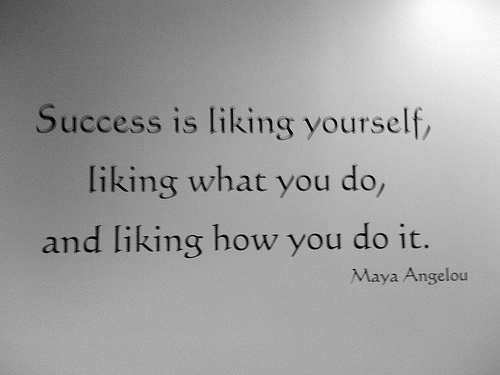
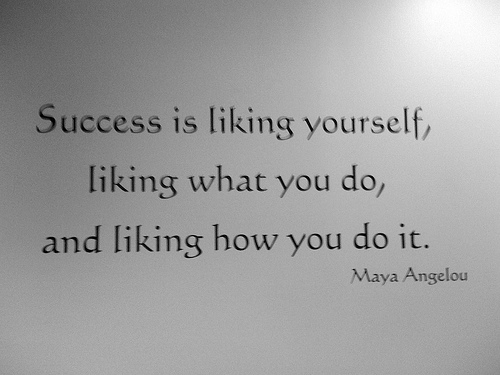
In a business environment, we all try to put our best foot forward when interacting with our co-workers, managers and clients. However, not everyone is immune from traits that might be off-putting, either consciously or subconsciously. In order to achieve long-term happiness and achievement, it is critical to be self-aware of not only your best traits, but also of ones that need improvement.
Negative Thinking
A lot of pessimists in the world consider themselves realists rather than “negative minded thinkers.” However, for others it can be difficult to be around those who speak incessantly of problems and issues, and who are stubborn to see the positive side of situations.
Being pessimistic is one thing—but remaining in a perpetually negative mind-set can frustrate those around you. Think carefully about how what you say might be phrased in a less negative light and try to see a problem as a new challenge to take the lead on.
Validation
Everyone loves to be appreciated and acknowledged for his or her efforts and accomplishments at work. However, those who constantly strive for validation are exhausting to be around. Those individuals get caught up in the need to prove their worth and to win those around them—to the point that they can over-attach to projects and be unintentionally draining.
It isn’t about what you achieve in the eyes of the group. It is about the journey, what you’re learning, and how you help those around you. Support comes from your team, and with a great assembly behind you, they will all learn and grow in the process.
Perfectionism
Author Michael Law once said, “At its root, perfectionism isn’t really about a deep love of being meticulous. It’s about fear. Fear of making a mistake. Fear of disappointing others. Fear of failure. Fear of success.” There is a lot of truth to those statements, and as a culture we tend to reward perfectionists for setting high standards. And perfectionists frequently are high achievers; however the price they pay for that success can be a source of great dissatisfaction.
Underneath it all, perfectionists have a high drive to succeed, however they need to realize the at times that “perfect” is an unrealistic goal. Such an effort towards perfectionism can often get in the way of the bigger picture, so figure out what “good enough” is, and be happy by letting go of unnecessary and unproductive pressures.
For more information about Cydcor, connect with us on LinkedIn.

While Cydcor knows there isn’t one way to achieve goals and become successful, there are certain truths about a successful career that remain. Especial for those choosing a career in sales, these ten laws will guide you through to generating a good income for your clients, your company, and yourself. These laws are based on classic clichés you are tired of hearing, but there is still value behind them.
What are your laws of success? Let Cydcor know on Facebook or Twitter!

This week Cydcor wanted to post a round-up of our favorite content on Cydcor Reviews, our book review site. Recommended for team members by team members.

Linchpin was written by marketing expert Seth Godin, who believes that finding career success today depends on learning how to market one’s self. Linchpins are an upcoming role in the world of tech, start-ups and the age of entrepreneurship. The linchpins are those that come up with new solutions, break the mold, and foster creativity in companies. Linchpin is about learning how to break out of the systemic roles traditionally in the workplace and implement new ideas where you work. Often, the linchpins are the indispensable people in the background, empowering others, but staying out of the spotlight. They often have a less specific role in the company, but rather focus on specific needs as the work scape morphs and changes. Godin believes everyone has something brilliant to offer, and being able to harness that brilliance and bring it to the workplace can equal success and happiness.
The Tipping Point by Malcom Gladwell is an in depth look at how ideas get made into wildly popular companies, books or trends. Everything from television shows to teen smoking, popularity of ideas is modeled like an epidemic. There are carriers, those that evangelize the idea and get people excited about it. Malcolm Gladwell explains that there are three types of people involved in spreading an idea: connectors, mavens and salespeople. Connectors are people with a wide social network that are good at creating communities to rally for the concept. Mavens are knowledgeable experts that enjoy educating the public on their area of expertise. Salespeople are gifted at drumming up excitement for new things.
Lincoln by David Herbert covers the life of Abraham Lincoln, the 16th president of the United States. Lincoln was raised in rural Indiana in a poor household. The book follows Lincoln’s perspective as he picked himself up through poverty and through political savvy made his way into prominence quickly. The book examines his character, his key advisors, and reveals his human flaws as well as his greatness. Biographies and autobiographies are excellent sources of inspiration for anyone looking to achieve professional goals. Lincoln is an especially beloved figure for Americans because he was raised in poverty and came from a disadvantage to well educated men raised in wealthy homes in cities.
Competitive Advantage is a model for creating and managing an enterprise successfully. Porter offers tools for analysis that are taught in MBA programs around the country. Michael Porter is a professor at Harvard Business School, and lectures and writes prolifically on managing a business. Tactics such as the Strengths, Weaknesses, Opportunities and Threats analysis teaches critical thinking that is crucial to successfully leading a company. Porter also discusses strategy at length, and helps businesses to either produce a scale economy or define a niche that will keep them profitable.
Onward is the story of how Starbucks Chief Executive Officer Howard Schultz turned Starbucks around after a downturn in financial performance. Schultz explains that while the recession definitely had an impact in the loss in profits for the massive international coffee and specialty company, the biggest factor was a shift in company culture. Onward explains Shultz’ decision to return to the CEO position after a departure to implement a hands on strategy to bring his company to its most profitable year ever. Between 2008 and 2011, Starbucks was able to find its way again and Schultz continues to lead it to record profits every year.
Want to learn more about Cydcor? Check us out on the Cydcor LinkedIn page for our career advice, job news and more.

The big game is this weekend, and the competitive of sports has a lot of parallels with sales. Succeeding in both sports and sales requires strategy, winning, rewards and competing. Whether you are looking for a career or another client, using your football fandom can help give you an edge that will help you achieve your goals. The Cydcor team shares its favorite sales plays to attracting clients and building relationships.
The Ice Breaker. Seek out new prospects with a winning personality. Cydcor recommends using the “SEE” principles: smile, eye contact and enthusiasm. Find out what the lead enjoys and find some common ground in the conversation.
The Stat Push. Bring the facts. People are often convinced by solid evidence that what you are offering is a better decision. This includes making sure people recommend your work, testimonials of your success, and information about your product or service. If you have an answer for everything, no one can argue with you. But don’t be too pushy with your knowledge; it can turn some people off. Just be ready for questions.

The Full Rundown. Go through your entire contact list and send each person a quick email or give them a call. This will keep your list fresh and relevant, and you can see if any former prospects have changed their minds about your service. The full rundown can help you prioritize your strategy, and keep you organized
The Hail Prospects. Go all out. Make a list of all ideal people you want to work with and find ways to contact them. Go all out, reach for the top, even if you think it’s impossible. Throw everything you’ve got at your search until something breaks through.
The Double Back. Make sure you follow up with everyone you talk to with a thank you note. Remember as well that past clients may be interested in upgrades or additional products that you have to offer.
What’s your favorite play? You can join the Cydcor community and let us know!

Cydcor Reviews: Onward
Author: Howard Schultz
Reviewer: Gail Michalak, Cydcor VP of Marketing and Communications
Description of this book: Onward is the story of how Starbucks Chief Executive Officer Howard Schultz turned Starbucks around after a downturn in financial performance. Schultz explains that while the recession definitely had an impact in the loss in profits for the massive international coffee and specialty company, the biggest factor was a shift in company culture. Onward explains Shultz’ decision to return to the CEO position after a departure to implement a hands on strategy to bring his company to its most profitable year ever. Between 2008 and 2011, Starbucks was able to find its way again and Schultz continues to lead it to record profits every year.
Why people should read this book: Gaining insight into how a multinational corporation is managed is a powerful experience. Howard Schultz not only reveals his focus for how to drive Starbucks back to glory, but is able to admit mistakes in his character and company strategy. The book reads more like a memoir than a business book, making it interesting for anyone with a larger than life character and an obsession with producing superior product. This is a great read for any manager looking for insight into how to deal emotions, negative push back, and implementing changes in corporate culture.
My favorite part: Howard Schultz frequently admits how personally he takes criticism against him, even over something as simple as seeing a competing cup of coffee in the hands of a stranger. He isn’t afraid to be self deprecating, exposing a very passionate and very realistic person behind the success. There are many examples of the book when Schultz acted on impulse—from writing an emotional internal memo that was leaked to the press, to throwing temper tantrums over breakfast sandwiches.
Gail Michalak is the VP of Marketing and Communications at Cydcor in Westlake Village, CA, where she overseas efforts in marketing, corporate communications, public relations, and events for Cydcor.
You can follow Cydcor on Twitter for the latest news and sales tips!

By Gary Polson, CEO

Many military historians consider George Washington to be America’s greatest general. He led a tattered, under-equipped, under-manned, and starving army to defeat the greatest army of the world at that time to win our independence.
He was not always such a great military man. As a colonel for the Virginia Colony, he made strategic blunders that led to the slaughter of his men and the start of the French and Indian War. After that defeat, the Governor of Maryland described Washington as a “dangerous mixture of inexperience and impetuosity.” As horrible and humiliated as Washington felt, he did not give up on himself. He learned from these mistakes and eventually became a great general and the first President of the United States.
Like George Washington, we all have setbacks that feel devastating. He is a great example of not letting those setbacks stop us in the pursuit of our dreams.
Gary


I had a conversation with an employee the other day concerning self-development. He believed it was vital at this stage in his career to get to the next level and asked me for my advice. My suggestion was for him to have an intense student mentality right now and to ask for and follow suggestions from his mentors, whether he agrees with the advice or not, as long as he feels the advice is ethical.
Why follow advice that you disagree with? A well known and respected CEO, and friend of mine, has been coaching me for about four years now and is often giving me suggestions that I feel will lead to a bad result. I will give him reasons why I feel his advice is bad but after a conversation if he still believes I should follow his suggestion, I will.
The reason I follow his advice is because I want to learn to grow. If I always do what I think is best or what I feel comfortable with then I will not grow. I will just be doing the same thing over and over, like a hamster on a wheel. The key is not the result I get from following his suggestion, but what I learned in the process.
If I follow my coach's suggestion and get a positive result, that is great and I will have learned new skills that will last me a lifetime. However, if I follow his suggestion and get a bad result, not all is lost. I will first review the process and results with my coach to see if I executed properly, but if I find that in the end the suggestion just doesn't work, then I learned a valuable lesson in what not to do in the future.
A good or a bad result is not important. What is important is what is learned along the way. Getting a good result, but not learning from the process, won't serve you as well long-term as getting a bad result, but learning the lessons from it.