
Found 0 posts
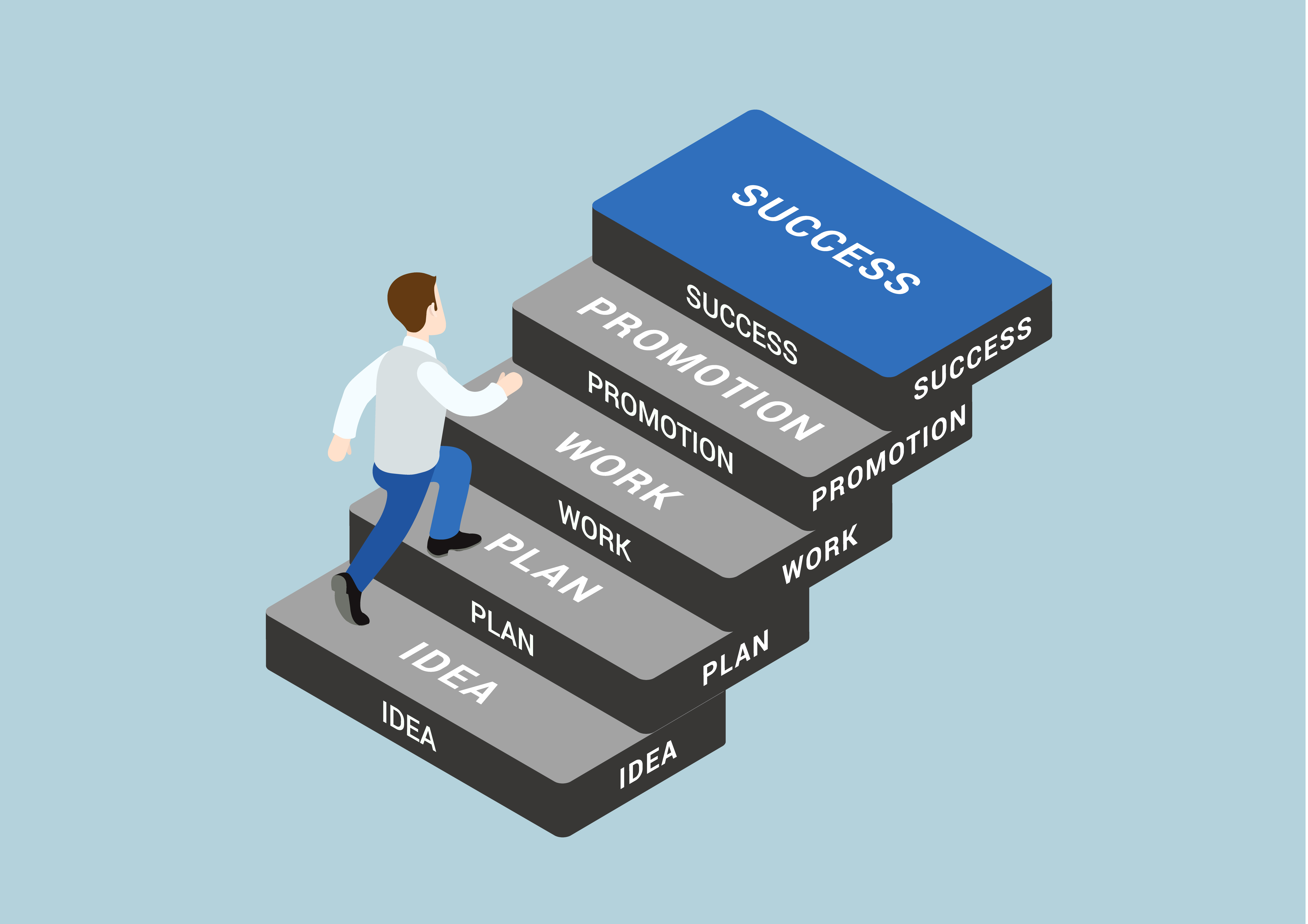
Cydcor has previously written about Toxic Employee Traits That Can Slow Progress, but it's also important to mention how to continue career progress. You will never advance simply by sitting at your desk, answering emails, and filing reports. A promotion is earned. Achieving a promotion isn’t an impossible goal. But to get there you need a good plan. The following suggestions are your starting points for success.
Evaluate Your Skills
You wouldn’t have been hired if you weren’t good at your job. But are you producing enough positive results to earn a promotion? Before you request a promotion, evaluate your job performance. Ask yourself the hard questions—face your fear.
It’s Not All About You
You will never achieve success by yourself. Your colleagues are an important part of your advancement. Study what they do. Understand their pain points. Improving their productivity is a leadership skill and contributes to your chance for promotion.
Write Your Future
Write the story of your career. Imagine where it will lead. This exercise provides a private place to draft new possibilities for your work life. It’s a safe place to practice taking risks. Don’t waste time creating a fantasy about wealth and power. Your career is serious work.
Become the Resident Optimist
Don’t get distracted by the inevitable complaints you hear during the day. Is it hard to do? Yes, sometimes it is. Everyone has bad days. But remember this: negative is easy, positive is hard. Don’t complain—explain. Don’t spread rumors—educate. Build a reputation for being constructive, informed, and open-minded.
Your Evaluation Happens Every Day
Do you ever feel invisible when your workload is building up? During these times remember that your supervisors are taking note of how you manage stress while you reach your goals. If you feel stuck in a negative take time for a mental stretch. Many corporate leaders find insight and get reenergized when they meditate.
Ask For Help
Sometimes you’ll come across a problem you can’t figure out. You need to be brave enough to ask for help. Find a mentor. Build a resource team from various departments. Share the problem. You will be remembered solving problems with creative strategy. Never ignore the wealth of institutional experience at work.
Find out more about Cydcor and our latest company updates by following us on Twitter @Cydcor.

Here's Cydcor's review of 'The Power of Habit: Why We Do What We Do in Life and Business' by Charles Duhigg:
About The Power of Habit: Written by Pulitzer Prize-winning business reporter Charles Duhigg, The Power of Habit explores the scientific discoveries that explain how and why habits exist—and more importantly, how they can be changed.
Duhigg takes the reader through engrossing narratives that travel from the boardrooms of Procter & Gamble to the sidelines of the NFL and even to the frontlines of the Civil Rights Moment.
At its core, it contains a single argument: The key to who we are, from our successes, failures and productivity, comes down to habits and understanding how they work.
Why Cydcor recommends this book to future leaders: Duhigg explains how habits operate in the brain, how companies use them, and even how retailers and businesses use their understanding of human habits to their advantage as a business model to drive sales and profits. For future leaders, understanding this concept is critical to success.
Our favorite part: Market researchers will certainly love this book, as Duhigg explains the habits of consumers and gives predictive models. The stories on how Target and Febreeze have used habits is especially engaging. These tales of corporate manipulation are among Duhigg's most persuasive.
Not only does he explain how to create habits for yourself, but he also explains how one could potentially capitalize on them in the business world.

Head over to Cydcor Media for advice regarding business, leadership, and office life.
Communicating in a clear and effective way is always important, both in real life situations and especially in business communications. We converse so much that we often forget to stop and think about what we are saying. When communicating in a professional context, you need to be aware of the little nuances that are held in your words and actions.
Here are some tips for becoming an influential communicator:
Have a clear goal and benefits for all parties.
Transparency is important. The worst thing that could happen is having your conversation be misunderstood. Therefore, you will want to make a clear goal when talking with a client, or potential client. It also helps to make sure that you frame your message in a way that presents the benefits for that party.
With that said…
Know your audience.
Your audience is whomever you are communicating with. Who are they? What do they want? How do they speak? What do they know? Understanding your audience is incredibly important because it provides you all the information you need to tailor your communications to be the most effective for that specific person or group of people.
Knowing your audience makes it less likely that you will waste time explaining things that are already known, glossing over important details that you assume are understood.
Connect with Cydcor on LinkedIn today!
Be sure to ask the right kinds of questions
Learn to strategically drop “leading questions” that prompt longer answers than “yes” or “no.” This will help guide your conversation in a productive direction.
Ask important qualifying questions to ensure that your leads will turn into a prospect. Largely, you’ll be asking questions that are focused around answering these key questions: Can and will you be able to authorize on the sale? What can I do for you to close on this sale?
Naturally, you should take information you learned from your audience and tailor the question accordingly for them, but these simple questions capture the essence of what you need to find out from your prospect.

Networking events can be a bit overwhelming, and if you don’t know what you're doing, they can feel like a waste of time. Follow these 5 tips in order to get the best return on investment at a networking event.
Be Prepared
Look over the list of attendees if possible. If a name strikes your eye, Cydcor recommends checking out their LinkedIn profile, or other social media or website and find out a little more about him or her. It’s easier to strike up a conversation with someone you’ve never met if you come prepared and can ask them specific questions about their time working at Apple or if they enjoy being a sales manager.
Make sure you have several business cards on you to hand out when you meet people that you’d like to chat with again. You can even go higher-tech and use apps like Bump to share contact information. Also remember to bring pens and a small notebook or tablet; they can be helpful if you need to take notes or jot down a piece of advice.
Come Prepared with Goals
What are you hoping to get out of the event and learn from the people you meet? Whatever it is, make sure you figure this out before you attend the event – that way you’ll know what to bring up and the type of people to talk to. Since some networking events cost money, only attend the ones that will help you reach your goal.
Show Up On Time
Unless the event is a “come as you please” event, don’t be the one that shows up late. Chances are that if you are going to an event at a place you have never been before, it is going to take longer than Google Maps estimates. Look at the route beforehand, and give yourself an extra 10-15 minutes to find the place—and parking.
Check out our job openings on Cydcor's LinkedIn for more information on joining our company.
Don’t Throw Yourself at Everyone
No one likes the person who talks with everyone in the room for two minutes, gives them their contact information, and heads to the next person. Networking is about making real connections; it’s not a contest to see who can pass out the most business cards. If you don’t think someone will be a good connection, you don’t have to give him or her your card. On the other hand, take your time talking and getting to know people that could become valuable connections. You don’t need to spend a half hour chatting with someone, but learn a little more about the people you talk to than just his or her job title.
Follow Up
This is by far the most important tip for networking. Who cares if you dressed well and came prepared – if you don’t follow up, that relationship means nothing. Connect on LinkedIn or send a quick coffee invite. Relationships take time to cultivate so make the most out of what you started.