
Found 0 posts

Congratulations! Your college career is coming to a close and the future is exciting, but it can also be a little intimidating. Everyone’s either looking for a job or has one lined up, and the college-to-career transition might feel like a race. But the truth is, everyone’s path and pace are different, and finding success after college is about exploring opportunities and discovering where you’d like your journey to lead.
Nobody is ever fully prepared for life after college, but what it takes to succeed remains the same: focus, determination, and confidence. Below are Cydcor’s quintessential tips for success after college.
#1 Have a Focus
Landing your dream job takes time and dedication, but it helps to know where to focus your efforts. To land a job you'll love, research companies whose values align with yours, or where you can learn and grow into that position. When you know your career path, you can focus all your energy on impressing potential employers.
#2 Establish your Personal Brand
Your social media profiles say a lot to recruiters about who you are. Check them for anything you wouldn’t want to come up in an interview, and if you’re not on LinkedIn, make a profile and introduce yourself. LinkedIn allows anyone to self-publish, so seize the opportunity establish your expertise with an informative blog post. Join relevant discussion groups, and instead of asking people where they work, expand the conversation and ask how they got there. You might learn a different approach to landing your dream job and gain a reference who will put in a good word for you when you apply.
#3 Build a Winning Resume
A great resume can be a make-it-or-break-it tool for landing a great post-graduate job. When writing your resume, get plenty of feedback from friends, family, and another professionals in the field, and use language similar to what’s in the job description. Most companies use online resume checkers to filter out job applications based on certain keywords and phrases.
#4 Start Somewhere
When you find a job that interests you and has upward mobility, apply. It might not be your dream job, but landing a job is the first and most important step to getting there. You’ll gain real-world experience and chip away at student debt, but not at the expense of your dreams. It’s also easier to get a job when you have a job.
#5 Keep Learning
Yes, you just spent the last two decades learning and a lot of it wasn’t interesting. But, you also learned how to learn. Take advantage of your student mentality and learn more about what interests you and how to improve your skills. Read blogs about industries that fascinate you and seek out a professional mentor through your alumni network. Did you really enjoy an elective class that was totally outside your major? Look online or at a community college for more specialized classes, sharpen your skills, and turn it into a career. Life after college is all about applying what we know.
The reality is the world probably changed a lot while you were in college: new jobs that you haven’t dreamed of emerged, workplace culture norms evolved, and a job market with different expectations emerged. But don’t let that stop you from diving in. There’s no telling what twists and turns your career might take, but what’s important is to keep growing, keep going, and embrace the journey. Congratulations, and welcome to post-college life! Things may be different now, but if you’re open to them, exciting opportunities are around every corner.


You’ve never dreamt of owning your own business, but that doesn’t mean you don’t fantasize about getting ahead and earning that big corner office. There’s a reason those impassioned entrepreneurs seem to be so good at turning their big dreams into realities: they have an entrepreneurial mindset. They’re confident and driven, and they thrive on the challenges that sometimes keep others from even trying. Embracing and maintaining an entrepreneurial mindset can help you do your job better, allowing you to reach your goals faster, whatever they may be. So, no matter where your career is today, think like someone who rules the world, and someday, you just might.
1. Take Action: Entrepreneurs don’t just talk about the things they want; they go after them. Instead of waiting for fortune to turn your way, find ways to influence what you can in order to encourage the results you want. Being a go getter can help you rise through the ranks faster, and it proves that you’re someone who can be trusted to get a job done.
2. Be Resourceful: Don’t let a limited budget stand in your way. Entrepreneurs find ways to make due and produce incredible results with what they have, and they’re clever about negotiating favors and freebees. Developing skills like these are crucial no matter the job, and finding ways to save the boss money is a great way to earn positive attention from those with the power to help you get ahead.
3. Recognize Opportunities: When entrepreneurs see an opening, they pounce on it. This way of thinking will help you choose the projects that can catapult your career by teaming you up with the right influencers or by demonstrating your ability to take the lead. Paying attention to the opportunities around you could also help you identify the perfect moment to ask for a promotion or a raise.
4. Be Fearless: Don’t let potential obstacles or rejection stop you, and don’t let a “no” scare you off. Entrepreneurs take risks and put themselves out there, which gives them an edge when it comes to sales, pitching ideas, and asking for better tools or more resources. Learning to stand your ground at the negotiating table is a skill that is critical to almost any business transaction.
5. Get Comfortable with Change: Fear of change is something that plagues many professionals, and it can prevent them from taking on new responsibilities, trying for a promotion, or applying for a new job. But don’t let fear of the unknown stop you. Instead, think like an entrepreneur, and decide to thrive on change. Accept being out of your comfort zone as a natural part of growth. Being at ease with uncertainty will empower you to say yes when others say no, helping you find the shortest possible route to success.
6. Love a Challenge: Entrepreneurs think adversity is exciting. Instead of choosing the easy road, point at the highest peak in sight and say, “l’ll conquer that one!” Priding yourself on winning in the face of extreme obstacles can be a major advantage whether you’re an intern, a new business owner, or a department head.
7. Know How to Delegate: Stay focused on the important things, and don’t be afraid to relinquish control to allow others to help lighten your load. Entrepreneurs learn that they must share responsibility and accept help when it’s available. Embracing collaboration can assist you in meeting deadlines and preventing burnout to keep you at the top of your game.
8. Be a Lifelong Learner: Entrepreneurs constantly strive to be better, smarter, and more efficient. Learn to maintain a student mentality, and your hunger for information will help you shine at work by keeping you up-to-date on industry knowledge, critical technical skills, and relevant news you can apply to help your employer outwit the competition.
9. Think Big: Entrepreneurs set challenging goals and are constantly striving to improve themselves. Even if you never hope to run your own company, aiming high is a great way to discover how much you can achieve. Thinking about the future can be an excellent way to stay motivated. Push yourself to think about where you might like your career to be in a year, five years, and beyond, and you just might surprise yourself.
10. Trust Your Instincts: Don’t spend a lot of time doubting yourself. Leading entrepreneurs know that negative thinking gets them nowhere. Trust your decisions, and be confident you will figure it out along the way. A great, entrepreneurial attitude will be your secret weapon against self-doubt, and it will help to remind you that you deserve the opportunity to succeed even when others casts doubts on your potential.
Thinking like an entrepreneur keeps you focused on your goals no matter where you are in your career path. It lends purpose to all the hard work you do, allowing you to set aside fear and ego to get the job done. It can help you remember that it will all pay off in the end. Adopt an entrepreneurial mindset, and the only person who will determine how successful you can be is you.

What worked this year? What didn’t work? These two questions provide a framework that will improve your performance in the coming year.
Do you have a plan for setting and achieving goals in next year? A personal review of your past year will uncover winning strategies that deserve to be carried forward into the coming year—and those that can be left behind. Conduct an annual review of your performance at work with the following techniques.
Write It Down
Record your observations as you conduct your annual review so you’ll have something to refer back to later. A simple Excel worksheet allows you to organize the past year’s wins and losses month by month. Or, if you prefer to write by hand, Moleskine notebooks are well-made—and can work with Livescribe smartpens to translate your notes into digital content.
Look For Significant Events
Be cautious with granularity. Looking too closely at the past year can cause more issues than it will solve, distracting you from the larger picture. Stay focused on identifying significant events and strategies that impacted your performance.
Create Specific Goals
When planning for next year, create specific goals. Don’t just say you want to make more money or “get better at” something. What will you actually do to make more money? What does “getting better” at something look like? You need to be able to measure your progress toward these goals in a concrete way.
Make a plan and follow up on each step. Use the following categories to establish specific goals for the New Year.
Did you achieve your goals during this year, or did you fall short of your expectations? Have you conducted an annual review and planned for the new year? Comment here, tell your story on Twitter, and follow us @Cydcor. Share this article with your friends and start a conversation with your community. #cydcorlearnandgrow
We are Cydcor, the recognized leader in outsourced sales services. From our humble beginnings as an independent sales company based in Canada, to garnering a reputation as the global leader in outsourced sales, Cydcor has come a long way. We’ve done this by having exceptional sales professionals and providing our clients with proven sales and marketing strategies that get results.

The leading provider of outsourced sales teams, Cydcor is dedicated to helping business professionals worldwide reach success.
Choosing the right words is key to creating a successful resume in 2015. But even before a hiring manager sees your resume, an Applicant Tracking System (ATS) could reject it. It’s estimated that nearly 75% of applicant resumes don’t make it through this automated scanning process. At Cydcor, we value all resumes that have been written well, and showcase the experience we're looking for.
Hiring managers may not understand your “passion” or you skill as a “problem-solver” if you do not explain how you demonstrated this in a work setting. You need to make sure your resume shows how you increased company profits. Use your resume to tell how your record-breaking effort contributed to your team’s success.
Start With a Summary
Your resume needs to let the hiring manager know that you’re the right person for the job and are worth being contacted for an interview. Get the hiring manager’s attention by identifying your relevant experience in a well-crafted summary at the beginning of your resume.
Numbers Tell the Story
Use numbers to define your professional accomplishments. Numbers add focus and scope to your work history. Answer questions like these with facts and figures:
Use Keywords
Highlight keywords in the job description and compare them to related keywords in your resume. If there is a 70-80% match, then you should apply for this position. Only about 20% of applicants applying for a specific job are actually qualified for the position. Online tools like Jobscan analyze how well your resume matches the job description.
Keep It Relevant
Employers want to hire people with relevant experience. Keep your resume to 1 or 2 pages by cutting any experience that is over ten years old.
Get Creative—Within Reason
Colored fonts will make your resume stand out from others—but don’t get carried away. Consider at two-color system—black and one other color, like blue. Test these colors on various screens and printers if possible. You want to make sure it’s easy to read. But before investing too much in design, study the company’s website and get a feeling for their culture to determine if a creative resume will work in your favor.
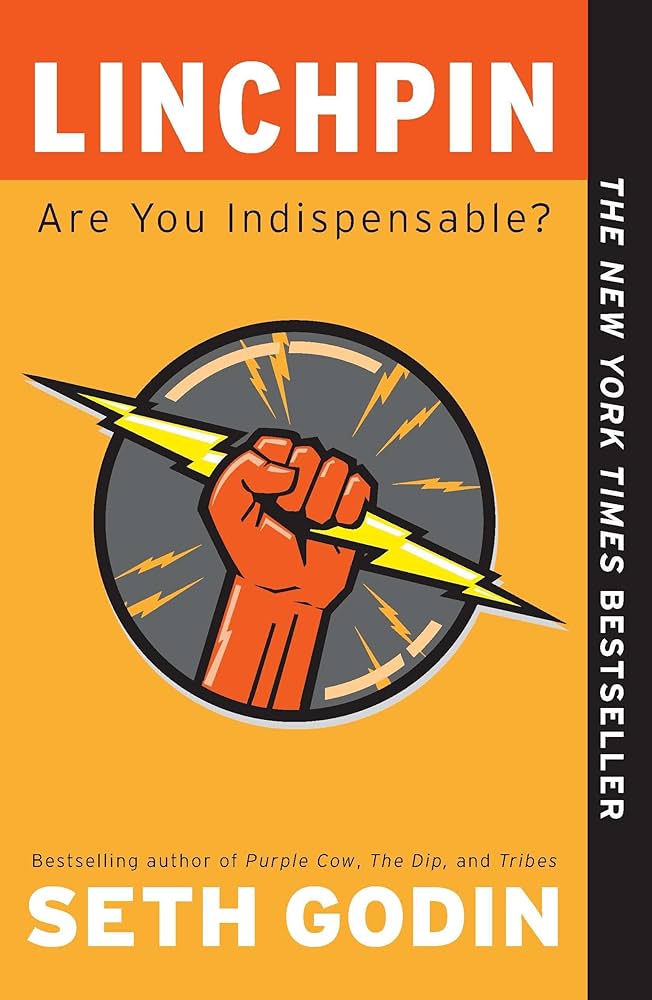
This week, the Cydcor team highlights another Seth Godin treasure, Linchpin. For more Seth Godin wisdom, see our Cydcor review on Permission Marketing.
Description of this book: Linchpin was written by marketing expert Seth Godin, who believes that finding career success today depends on learning how to market one’s self. Linchpins are an upcoming role in the world of tech, start-ups and the age of entrepreneurship. The linchpins are those that come up with new solutions, break the mold, and foster creativity in companies. Linchpin is about learning how to break out of the systemic roles traditionally in the workplace and implement new ideas where you work. Often, the linchpins are the indispensable people in the background, empowering others, but staying out of the spotlight. They often have a less specific role in the company, but rather focus on specific needs as the work scape morphs and changes. Godin believes everyone has something brilliant to offer, and being able to harness that brilliance and bring it to the workplace can equal success and happiness.
Cydcor recommends this book to professionals because: Godin has written many bestselling books on how marketing works and how companies behave, this book is specifically how to manage your career and create success and satisfaction at work. Godin explains that everyone must strive to be a linchpin, to become indispensable, or suffer. The job markets today are focused on efficiency and creativity, so only those making the most impact will get ahead.
Our favorite part: “There are no longer any great jobs where people tell you exactly what to do”. Godin highlights the importance of taking initiative, learning to work autonomously and bridging those gaps between being managed and over-managing. Flexibility and motivation are the new keys to success.
Do you like our reviews? Follow Cydcor on Pinterest or other popular social media platforms for more inspiration and leadership advice.

As a leader in outsourced sales, Cydcor knows how to create winning relationships with clients. Building trust is the foundation of a sales relationship. Trust takes time, effort, honesty and hard work for clients to feel comfortable with your delivery. Even in your career, moving up at work takes the ability to build trust and sell yourself to future managers or employers. Here are some tips from the experts at Cydcor for building trust in your professional life.
What are some ways that you build trust in the workplace? Tell Cydcor on Twitter!

Walter Payton, aka "Sweetness," played with the Chicago Bears from 1975 to 1987 and missed only one game in his career. He was elected into the Pro Football Hall of Fame in 1993 and is remembered as one of the most prolific running backs in American football history. Hall of Fame NFL player and coach, Mike Ditka, described Payton as the greatest football player he had ever seen—and the greatest human being he had ever known. Payton’s incredible work ethic and humility earned him the respect of players and fans everywhere.
Payton had a 5-feet-10-inch, 200-pound frame and worked out every day, even in the off-season. He was acrobatic and quick but not fast, so he developed his signature "stutter-step" to help break runs and give him the edge on his opponents. He did not believe in running out of bounds and maintained a “never die easy” mentality. He played hard to win, and his determination led him to become the all-time leader in rushing with 16,726 yards and all-purpose yards until 2002, when Emmitt Smith broke his record. Payton also held the single game rushing record until 2000.
What gave Payton the will to achieve such great success? In the following excerpt from his autobiography, Never Die Easy, he attributes his work ethic to how his parents raised him:
"Competing in sports back then was everything. No matter what the game was or how much older and stronger the other kids were, we were taught to give it everything we had until it was over. Never give less than one hundred percent. If you start something, you shouldn't quit, that is what we were taught. If you're going to play, you might as well play to be your best.
My mother was a yard person and every summer to keep us out of trouble she'd have this guy to come in and dump this hundred pounds of topsoil in the driveway. She'd want us to spread the topsoil all over the yard. We had one shovel and a wheelbarrow... It was hard work and we were so small then, I was six, seven, eight, Eddie was a couple of years older. But there we were, trying to shovel and push all of this topsoil everywhere... If you want my opinion, there was no reason to spread all that topsoil except to keep us occupied and around the house.
I look back on it now, though and I think that yard work taught me a lot. I learned about working hard and staying with something even though the project seemed overwhelming... You have to imagine how big that huge pile of dirt appeared to a seven-year-old. I used to think we would never finish. We'd just try to make dents in it every day. Which is how you have to approach any kind of work. You have to take things one day at a time... You work as hard as you can for as long as you can and the small gains you make will eventually pay off. Eventually that mountain of dirt will be gone and you can go play baseball or go hunting."
We can apply Payton’s simple yet powerful formula for success on our own work and lives: Work hard, persevere and commit to do and be our best.
When I entered the workforce, I sought experiences that would teach me vital skills for the future and build my confidence. Although many of my peers wanted to find jobs at companies that would carry them to retirement, I wanted to rely on myself and become a successful entrepreneur.
During the first ten years of my career, I focused on honing the skills that would make me a successful business owner. Ultimately, I learned that I needed to excel at two things: sales and relationships.
In the beginning stages of a business, the owner is usually the number-one sales person, as I was during the first five years of my commercial printing business and during all three years of my financial recruiting business. Successful entrepreneurs are savvy sales people who understand their customers’ needs and offer the most effective, compelling solutions to meet them.
Good sales people also have good people skills. Unless you want to be the only person in your business, you need to be able to work cooperatively with others and build strong relationships based on trust and respect. The more people you can successfully recruit, develop, manage and lead, the more you can accomplish and the more economic value you can generate.
The most important lesson I have learned in my career is this: Choose work experiences not for their prestige or short-term gain, but rather for their ability to equip you with the skills for success and the opportunities to practice them.