
Found 0 posts

Rejection is a natural part of the sales process. It’s hard to avoid, and even harder to face. However, have you ever considered the silver lining of rejection? Maybe all of those “nos” have made you who you are today. Hearing “no” forces salespeople to climb out of their shell, think outside of the box, and reach for new horizons. Working in sales and facing “no” on a daily basis can help you build critical skills that can prepare you to withstand and excel against the rigors and challenges of the business world. Enduring a little rejection now can train you to be resilient, flexible, and mentally strong – all skills that can benefit you greatly as you grow your career.
You Learn
In order for someone to grow as a sales professional, he or she has to understand what works and what doesn’t work. When you recognize that some part your pitch, approach, or presentation isn’t working, you learn how to make critical decisions to correct the problem and get back on track. You discover how to do better, so that it does work the next time around. Salespeople are constantly learning, trying to improve the process. Only with a “no” can you get that much closer to a “yes.” Since business is an ever-changing landscape, as you progress through your career, having the ability to learn will make you a more desirable hire. It’s what fuels your personal growth.
You Develop Patience
We all know the saying: patience is a virtue. Boy, is that true, especially in the world of sales. The sales business is a numbers game that teaches you to accept that if the first customer says “no,” you just have move to the next one and keep going. There is no room or time to throw up your hands in exasperation. The best salespeople understand that a successful sales day is a marathon, not a sprint. Over time, sales professionals learn how to maintain a patient, positive mindset no matter what. Developing this kind of unwavering resilience will also prepare you for managerial positions, even owning a company. Things will go wrong, people will quit, rejection will befall you, and unfair things will happen. Maintaining your patient disposition through it all is what will set you apart from the competition.
You Learn How to Be Flexible
Salespeople can’t afford to be stuck in their ways. Sales is a process of experimentation and refinement. When good salespeople face rejection, they learn how to rethink their approach to avoid a sales blunder in the future. Overtime, sales teaches you how to apply self-discipline to correct course, test new approaches, and perfect your pitch until you can consistently deliver results.
You Communicate Better
Sometimes, you face rejection because your communication skills weren’t up to par. Perhaps you misspoke, failed to listen, or just delivered a message without any energy. Communication is the cornerstone of every business interaction. Hearing “no” can inspire you to do what it takes to hear that “yes” next time. You’ll refine your messaging and communication approach. Within business, communication is how critical information about sales, services, and products is relayed to key stakeholders. You need to know how to communicate quickly, effectively, and with authority. It’s time to get started.
You Toughen Up
Finally, it’s inevitable that rejection is going to force you to develop thicker skin. However, that’s not a bad thing. In the world of professional sales, it’s an incredibly important attribute. You’ll learn to listen to your gut and intuition, rising above rejection to focus on what you need to do to get the job done. You’ll develop your own personal shield that keeps you protected. As you climb towards the top, this internal toughness will better prepare you for the obstacles and stakes ahead, like hiring/firing decisions, expansions, acquisitions, and the list goes on.
We all know the time-old adage, “what doesn’t kill you makes you stronger.” In sales, this saying proves true. A healthy amount of rejection is necessary for personal growth and advancement. The next time you’re faced with a “no,” smile, for it is another opportunity to grow and flourish as an individual and a professional; it’s another opportunity to see things in a new light and appreciate a new way of doing things; and it’s another opportunity to become wiser, stronger, and better.
What have you learned from rejection in the past, and how has that helped to accelerate your personal growth? Share them with Cydcor in the comments below.
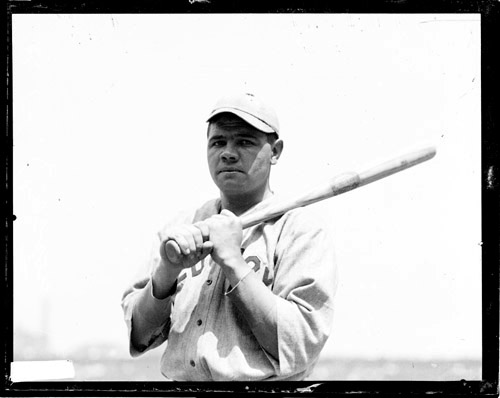
Becoming a great athlete requires passion, perseverance, and hard work. And just like sales, sometimes in sports you need to fail before you can succeed. These motivational sales quotes from some of the world’s best athletes show that attitude and perspective are key when it comes to achieving your goals. Because whether you’re playing shortstop in MLB or working in sales, being out in the field can be thrilling and challenging. These motivational sales quotes can help you out along the way!
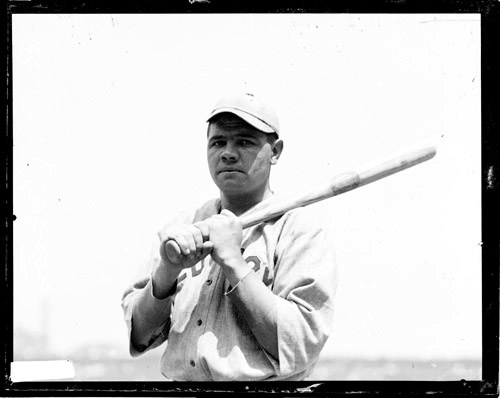
When you’re in sales, the prospect of striking out with a potential buyer can be intimidating. However, don’t allow fear of failure stop you from going out there and giving it your all. Believing in yourself is the first step when it comes to succeeding in sales.
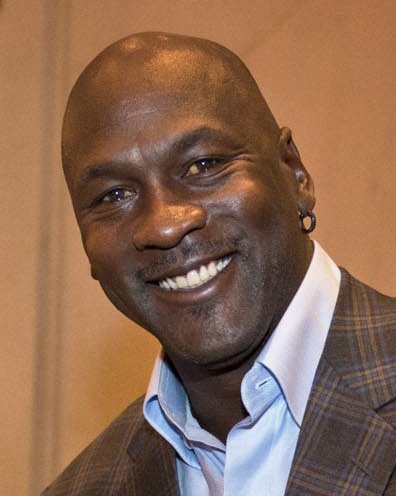
2. “Talent wins games, but teamwork and intelligence win championships.” – Michael Jordan
Without a doubt, being a great salesperson requires talent. But even the most talented individuals in the world are nothing without their team! Here at Cydcor, we support each other and work together in order to achieve great things.

3. “Set your goals high, and don’t stop till you get there.” – Bo Jackson
Never underestimate what you can accomplish. The higher you set your goals, the more you will achieve in the long run. With hard work and determination, you can do anything.

4. “Celebrate what you've accomplished, but raise the bar a little higher each time you succeed.” – Mia Hamm
Accomplishing your goals is an amazing feeling. It’s a sign of hard work paying off! Every time you reach one of your goals, set a new one, and always strive for improvement.
5. “Champions keep playing until they get it right.” – Billie Jean King
As the old adage goes, practice makes perfect. In sales, you might make mistakes from time to time. Instead of getting down on yourself, learn from what you did wrong, and get ready to hit the field again with more knowledge and experience than before.

6. “You miss 100 percent of the shots you don’t take.” – Wayne Gretsky
Sales is all about putting yourself out there. If you don’t try, you’ll have no idea of what you’re capable of. When you see an opportunity for a potential client, go for it, and you’ll end up scoring in no time.

7. “When you fall, get right back up. Just keep going, keep pushing.” – Lindsey Vonn
The best salespeople are individuals with exceptional drive. You may come across bumps in the road, but don’t sweat it! Challenges can be an excellent learning opportunity. Just maintain a strong mental attitude and keep going.

8. “I am lucky that whatever fear I have inside me, my desire to win is always stronger.” – Serena Williams
Sales attracts strong, passionate individuals. Combat your doubts with your desire to succeed, and you’ll be on your way to achieving your very best.

9. “There may be people that have more talent than you, but there’s no excuse for anyone to work harder than you do.” – Derek Jeter
Some things in your career aren’t under your control, but one thing that is under your control is your work ethic. Putting in 100% effort is what makes people great at what they do, and giving it your all until the very last minute will give you amazing results.

10. “You can’t put a limit on anything. The more you dream, the farther you get.” – Michael PhelpsAlways dream big. Strong aspirations will transform your career from ordinary to extraordinary. If you believe you can do great things, then you will.
These famous athletes know that it takes more than just hard work to be your best; it takes passion and grit to overcome setbacks, fight through pain, and believe in yourself no matter what! Hopefully, these motivational sales quotes will help inspire your own drive to push through challenges and reach your dreams.
There are no better examples of leadership than the legacies of our great historical leaders. While they achieved tremendous fame, they did not do so without facing the occasional failure and enduring hardship. As we strive to become better leaders and learn how to inspire others, we would do well to reflect on the greatest leaders from history to see the characteristics, mentality, and habits that allowed these most revered leaders challenge norms, empower the oppressed, galvanize action, and spark change.
Lesson One: Learn from the Past
The best sources for what works in leadership are the lessons of the past. The trials and tribulations of historical leaders, while sometimes on a grander scale than our own lives, can teach us how to succeed or fail. We can learn how to lead effectively from reading about or watching movies on history, and anyone hoping to become a better leader should make a habit of it. Why make your own mistakes when you can benefit from the lessons learned by those who eventually achieved greatness? Study their lives, follow in their footsteps, and apply their leadership approaches as you drive your own team to reach its goals.
Lesson Two: Character Matters
The greatest historical leaders knew that character can often matter even more than ideas when it comes to leading others to find the greatness in themselves. Benjamin Franklin identified Thirteen Critical Virtues necessary for a successful live and vowed to exemplify them. George Washington is admired for his honesty, and Gandhi demonstrated remarkable restraint and self-discipline in his use of non-violent protest to drive change. Whether reading about George Washington, Ben Franklin, Mahatma Gandhi, Martin Luther King or Nelson Mandela, their character stood out and earned them respect, built trust with others, and translated to a highly-regarded reputation.
Lesson Three: Take Risks
You must be bold, and you must accept that you will sometimes fail. Failing can be an important stop on route to success. Lincoln lost a number of elections, including the Illinois Senate race in 1858, yet he ran for President in 1860. Washington struggled to win a major battle against the British for years, yet he had the courage to stay the course. Gandhi, King and Mandela were humiliated for many years on their paths toward civil rights and representation. Facing the occasional failure is a sign that you took on challenges, pushed yourself outside of your comfort zone, and it is an opportunity to prove your resilience and willingness to learn from your mistakes.
Lesson Four: You are Not a Victim of Your Circumstances
We can rise above poverty, lack of education, or lack of support to achieve greatness. Charlie Chaplin grew up in the direst circumstances, reminiscent of a Dickens novel, yet he revolutionized silent film. Men and women who had once been slaves and peasants, overcame the odds to become generals, emperors, and queens. While challenges can sometimes feel insurmountable, the stories of remarkable historical leaders prove that even when things seem hopeless, determination, passion, and grit can overcome the odds.
Lesson Five: Self Discipline is a Must
Lincoln had just one year of formal education, but he read constantly to feed his curiosity and continued to expand his knowledge. Franklin devised ways to improve his character by evaluating himself daily, assessing one character trait each day. Michael Jordan and Kobe Bryant were relentless in their routines to develop their skills and conditioning. The stories of great leaders of the past up to the present teach that our potential is boundless if we are willing to push ourselves. Achieving greatness as a leader means having the passion and drive to continuously transform yourself and expand your boundaries. Nobody will do that for you. To become a leader that can inspire others and provoke action, you must first be willing to lead yourself.
History is full of incredible stories of leaders who rose above their circumstances, exemplified character, and endured and overcame setbacks on their path to success. By studying their stories and seeking to understand which qualities and actions allowed them to achieve greatness, you can improve your own chances of doing the same. The stories of historical leaders are a goldmine from which I have learned so much about the kind of leader I hope to be.
To find out more about Cydcor, check us out on Facebook, LinkedIn, Instagram, and Twitter.
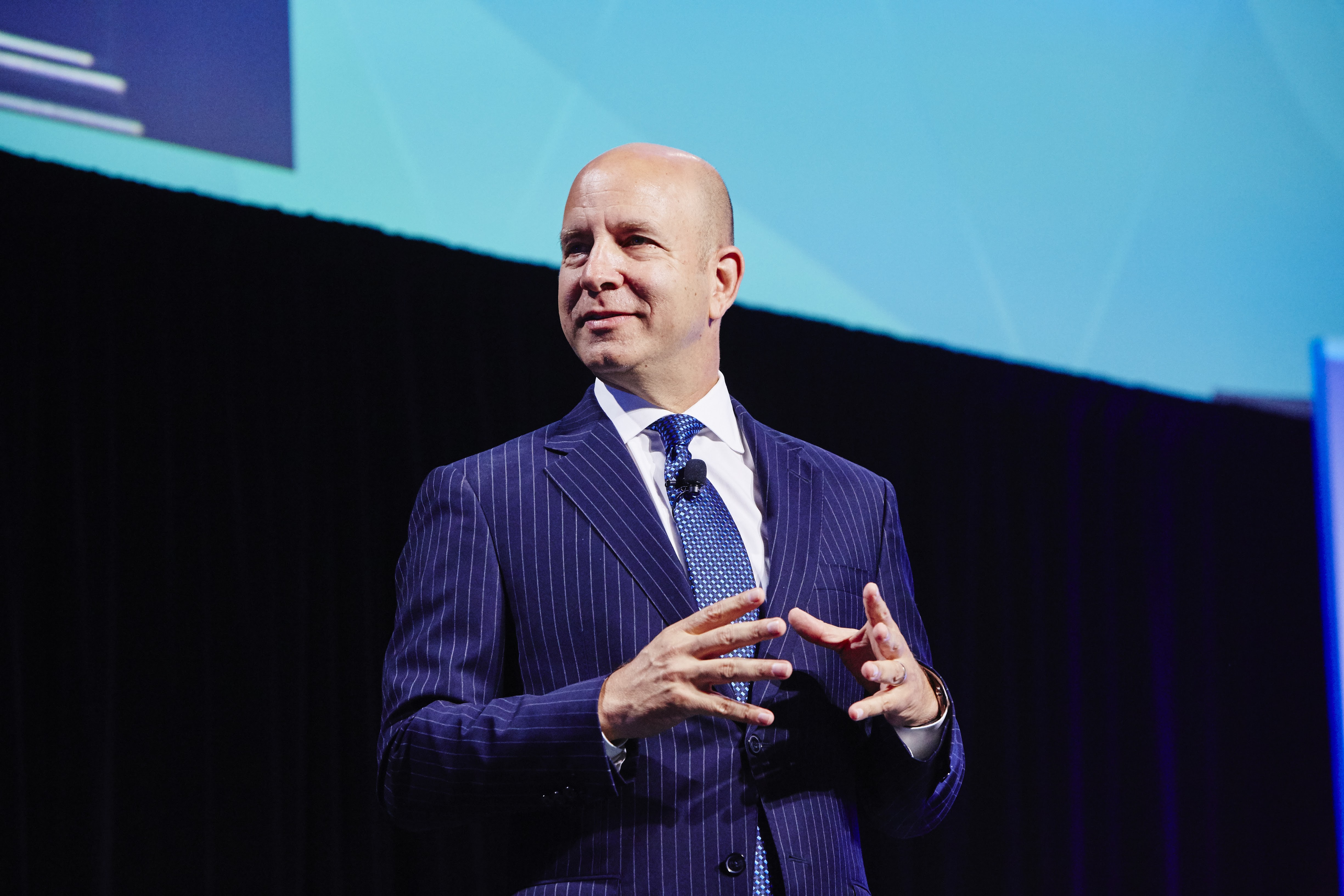
Gary Polson is Chief Executive Officer and Chairman at Cydcor, the market leader in outsourced sales. With more than 25 years of business operations experience in accounting, legal and senior management, Gary has propelled Cydcor to unprecedented achievement with clients, culture and philanthropy since 2001. Under his leadership, Cydcor has increased its revenue more than six-fold since 2001 and has been recognized as “…the most respected sales outsourcing company in the world” by Datamonitor and The Black Book of Outsourcing, one of the “Best Places to Work” by the Los Angeles Business Journal for eight consecutive years. Gary’s passion for excellence and never-satisfied approach has led Cydcor to earn both industry and employer recognition. With Gary at its helm, Cydcor has built its reputation on maintaining long term relationships with clients by consistently delivering results and by going above and beyond to help Cydcor’s clients gain market share and grow.

What would have happened if Walt Disney gave up animation after being fired from one of his first jobs? What if J.K. Rowling let depression keep her from picking up a pen? What if Steven Spielberg let self-doubt stop him from making Jaws? While we’ve all heard the expression “overnight success,” but stories of instant fame and wealth are the exception, not the rule. More often than not, the most successful celebrities and entrepreneurs in the world endured at least one, if not a string, of setbacks, failures, and blows to their egos before hitting it big. Remarkably, they all kept at it, and went from failure to fame, achieving success beyond anyone’s expectations, even their own. Had they let those temporary roadblocks hold them back, however, they might have allowed those failures to define them. Most of us will fail at some point in our lives, and we’ll probably do it more than once. But, letting the occasional defeat stop you from pursuing your passion could mean denying yourself the opportunity to achieve more than you ever dreamed possible. Each of these, now famous, celebrities started out just like you.

It’s hard to imagine now that he’s one of the richest and most powerful entrepreneurs in the world, but those who met Gates right after his first company, Traf-O-Data failed in 1980, might not have been too impressed with his business acumen. The company, which he created while he was in his senior year of high school with business partner Paul Allen, seemed like a clever solution for gathering traffic-flow data, except for one problem, they didn’t have any customers. Gates and Allen got so caught up in the technology, they forgot to do any market research. Don’t feel too bad for Gates though, as of September 2017, the Microsoft Corporation cofounder is the richest person in the word, with an estimated net worth of $84.8 billion, according to Wikipedia.

He may be the father of the world’s most beloved animated mouse and the founder of what would grow into a multi-billion-dollar, mega-empire, but as a young cartoonist, not everyone could see his potential. In 1919, the Kansas City Star newspaper fired Disney because, according to his editor, he “lacked imagination and had no good ideas.” Lucky for Disney, his creative drought would eventually end, allowing him to go from failure to fame after coming up with a few good ideas that just happened to change entertainment forever, including Mickey Mouse, the multi-plane camera, and Disneyland. This one-time labeled, “creative dunce” also holds the record for most Academy Awards as a film producer.
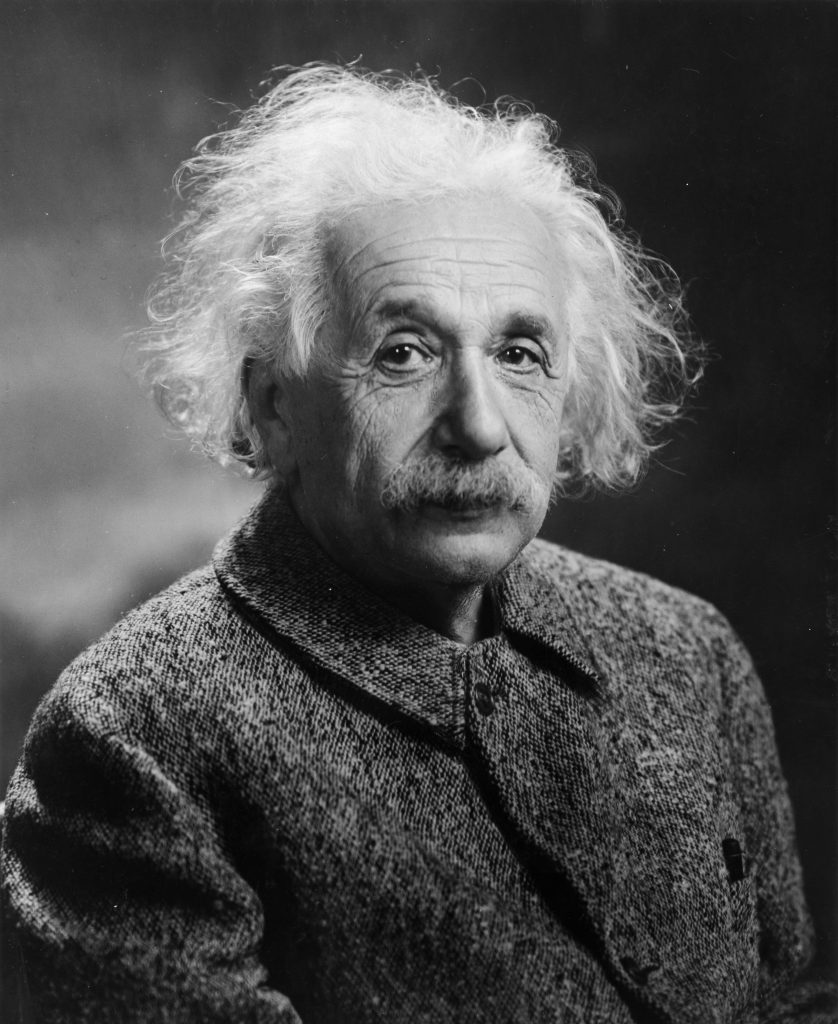
He might be the most recognizable and best-know scientific genius of all time, but as a child, Albert Einstein was so far behind developmentally, that teachers were concerned he might have been mentally disabled. The Nobel-prize-winning physicist didn’t speak until he was four years old and didn’t read until he was seven. He would later be expelled from one school and refused admittance to another one in the years before he took the physics world by storm.

She may be mom to the world’s favorite boy wizard, but before that, Rowling was a broke mom. Recently divorced, on welfare, and clinically depressed, she struggled for five years to complete the first Harry Potter book, writing while her new baby napped. The book was rejected twelve times before finding a publisher, and the rest is history. Fighting her way from failure to fame, today, J.K. Rowling is wealthiest author of all time, and one of the richest women in the world.

While women all over the world fantasize about their dream wedding, themselves picture-perfect in a designer, Vera Wang gown, Wang herself dreamed of representing the United States as part of the 1968 US Olympic figure-skating team. But, after years of intense training, she failed to make the team. Later, after serving 15 years as a senior editor at Vogue magazine, she was overlooked when it came time to name the magazine’s new editor-in-chief. It wasn’t until she was 40 years old that she began her designing career, and the rest is history. Today, Vera Wang’s brand is worth over $1 billion, and the average Vera Wang wedding gown can sell for upwards of $13,000.

Before becoming the master of suspense he is today, Stephen King had more than a little trouble getting his writing career off the ground. A few publishers apparently thought Kings first novel, Carrie, wasn’t up to par – 30 to be exact. King got so fed up with the constant string of rejections that he threw the manuscript for Carrie in the trash. Lucky for horror fans around the world, King’s wife, confident in her husband’s talent, retrieved the book and encouraged him to keep going. Eventually, the writer would discover that one or two people were actually interested in what he had to say; King has published more than 50 novels and has sold more than 350 million copies of his books. His work has also been transformed into dozens of award winning movies and series including The Shining, The Shawshank Redemption, Misery, and the story he, himself, once trashed, Carrie.

Jaws. E.T. Close Encounters of the Third Kind. Jurassic Park. They’re probably some of your favorites, and you’re not alone. Steven Spielberg’s movies include some of the highest grossing blockbusters of all time. In fact, he is said to have invented the concept of summer blockbuster with the release of Jaws, for the first time, creating the kind of fan fervor, and lines around the block, we often see today. He’s won multiple academy awards, and he is possibly the most recognizable film director in the world. As a young, aspiring director and film student, however, Spielberg was rejected from USC’s top-ranked film school three times, because of his mediocre grades. Don’t feel too bad for poor Steven though, the school would eventually award him an honorary degree in 1994, after making some generous donations, that most likely didn’t put a dent in his $3 billion estimated net worth.
The next time someone tells you to give up, calls you untalented, or rejects your idea, remember you know best what you are capable of. Take your failures in stride and realize that each one is just bringing you one step closer to your destiny. You can become your own success story. Don’t give up on you dreams, Instead, use those naysayers to fuel your desire to persevere and make your dreams a reality. Give it everything you’ve got, and remember that today you might feel like a failure, but the only way you truly fail is by giving up. Brush yourself off, stay committed, and live to fight another day, and you might be surprised what you can achieve.


Building resilience is one of the cornerstones of success in business—especially entrepreneurial pursuits. The ability to pick yourself up, dust yourself off, and get right back to the task at hand is paramount to success in business, at every level.
Whether you’re a seasoned sales professional or just starting out on your entrepreneurial journey, these tips for building and maintaining personal resilience will put you on the path toward having the strength and flexibility required for success.
Pick Your Battles
Knowing your strengths is a key component to success in any endeavor; leveraging your strengths in your work will get you farther, faster, than spinning your wheels in areas where you lack knowhow and confidence. No one is good at everything, though, and learning when to power through a difficult course of action versus when to delegate is important. Building resilience includes challenging oneself, but it also means knowing when a task is best given to someone else—and being OK with that.
Build & Maintain Your Self Confidence
Building personal resilience relies heavily on recognizing your strengths and maintaining your confidence in them. You know what you know—make sure others know it too! Personal resilience takes practice and self-reflection. Take some time to honestly consider which facets of your profession you’re best at and make a list you can reference to boost your self-confidence and bolster your self-awareness.
Hone Your Skills
When you know your strengths, you can get to work on improving them. When your areas of expertise and your specialized skills are all second nature, the business of bouncing back from times of difficulty—or even failure—becomes easier. Call on your talents, experience, and knowledge to help you get through tough times, and build on those unique advantages to move on from setbacks. Honing your skills also reinforces your self-confidence, creating a powerful feedback loop for yourself as you maintain your personal resilience.
Be a Team Player
Business is built on relationships. You want—need—to be someone people want to work with. Reliable. Helpful. Trustworthy. Talented. The list of superlatives people want from their teammates and networks can go on and on, but the bottom line is this: being an indispensable member of your professional community is key to building professional and personal resilience. When your network is strong, bouncing back and moving forward—and extending successes—is much easier, because you can call on those relationships as you seek new opportunities, constructive feedback, and emotional support.
Manage Emotions During Losses—and Wins
The most resilient people have a keen understanding of their emotions and are skilled at managing them. This doesn’t mean building resilience requires stoicism—the opposite, in fact. Those who take the time to see the good in things and spread their positive outlook find it easier to work through rough patches. They see each experience, positive or negative, as a way to learn. These are also the people who are self-aware enough to see when things are going well and celebrate them.
What strategies do you use for building your personal resilience? Share your thoughts on Twitter and be sure to follow @Cydcor on Instagram to learn more about our company and our culture.

Grit is a mysterious and powerful mix of passion and perseverance that gives some the strength to keep going where so many others before them have given up. In fact, studies have shown that grit may outrank either intelligence or talent as an indicator of future success. Salespeople know a lot about grit. They work in a competitive business, but for those with the grit to stick with it, the rewards can be huge. The best salespeople know that grit can be the secret ingredient that makes the difference between success and failure.
Intelligence and talent are huge advantages in business that can help you innovate, perform well, or solve problems. Without the grit to stay the course even when it gets bumpy, those advantages can be fleeting. Brains and natural ability are the reason many people are good at their jobs, but without the grit to overcome challenges, bounce back from stumbles, and the drive to push themselves further, they may never truly be great.

About Grit: The Power of Passion and Perseverance
Renowned psychologist Angela Duckworth shows through her own personal history and stories of others that success doesn’t just come from natural talent or people who can help you get where you want to go in your career. Instead, she says, the secret to success is a blend of passion and persistence that she refers to as “grit.”
Duckworth developed this hypothesis through years of teaching and business consulting. She saw that people who found their passion and kept trying were ultimately more successful than those who had a natural talent but lacked the perseverance to follow through.
Why Cydcor Recommends This Book
Duckworth offers a concrete path to developing grit. It starts with identifying a burning interest, practicing it a lot, developing a sense of higher purpose, and finally, overcoming pessimism by developing what psychologist and author Carol Dweck calls a growth mindset. She tells us that any effort you make counts twice toward your goal.
Some of us come into adulthood already having learned grit through dealing with difficult times and getting through them. But, Duckworth says, grit can be learned regardless of IQ or circumstances, and shows you how you can do it. Anyone can become gritty. By learning grit and making effort to grow your passion, you too can achieve more than you might have thought possible.
Our Favorite Part
In Grit, Duckworth shares specific examples of people who exhibited grit in their own lives—whether those people are West Point cadets going through grueling initiation rituals, a young national spelling bee champion, or teachers working in some of the toughest schools in the country. By sharing these real-life examples, Duckworth shows us how her formula of passion, practice, and persistence can lead to success.
Check out this book and let us know what you think. Share with us on Twitter and follow us @Cydcor.
We are Cydcor, the recognized leader in outsourced sales services. From our humble beginnings as an independent sales company based in Canada to garnering a reputation as the global leader in outsourced sales, Cydcor has come a long way. We’ve done this by having exceptional sales professionals and providing our clients with proven sales and marketing strategies that get results.