
Found 0 posts


In business, as in life, building relationships is key. No matter how talented you are or what service you provide, if your customers don’t like you or, worse, don’t trust you, you’re not going to get very far. Networking is a critical part of advancing your career, but making contacts will only serve you if you can foster them into fruitful business relationships.
Whenever you’re meeting with a client or a connection, especially a new one, make time in advance to learn a bit about them. Whether this means speaking to mutual acquaintances or researching online, doing your homework on a prospective customer or contact will allow you to identify common ground and better equip you to answer their questions or provide what they’re looking for. If you want them to give you their business, it’s crucial to come prepared. Coming to meetings well versed on the other party’s needs also assures them you will go the extra mile on their behalf.
Business relationships are investments. We invest time and energy into them with the expectation that they will provide value. Just as you’re hoping to leverage your business relationships to achieve certain goals, so are your colleagues, business partners, and customers. So, consider what value you’re providing back to them. In some cases, it may be helpful to illustrate what you have brought to the relationship by presenting hard numbers and proof of results. By making a strong case for the overwhelming benefits of the relationship, you stack your deck for success, and ensure the business relationship with grow and flourish in the future.
There’s a reason why your parents always said, “Honesty is the best policy.” It is. If you promise your client the sun, moon and stars when networking, then that’s exactly what they’re going to expect. It’s important to set ambitious goals, but it’s just as important to deliver. If you can’t come through, be proactive about letting your client know. Otherwise, any frustration they feel will be compounded by your having mislead them and your business relationship may suffer as a result. To avoid this scenario, set reasonable goals and manage expectations with customers, bosses, and colleagues. Promise only what you are absolutely certain you can deliver. It’s always better to surprise someone by providing more than expected rather than over-promising and under-delivering.
Ultimately, you’re here to serve your customers. If they feel your own agenda is taking priority over theirs, your business relationship will not last very long. You can only meet someone else’s needs if you listen to what those needs are, so always be as ready to hear as you are to speak. Listen to Cydcor President, Vera Quinn on the subject of really hearing your client:
You likely learned about playing “hard to get” in high school. In many ways, the same rules apply when building business relationships. If you appear too interested – contacting them incessantly, coming across as desperate for their business – they may start to suspect that you’re not that hot a commodity. You should seem interested in securing their business and maintaining a fruitful partnership, but make it clear that you have other irons in the fire and will be fine should things not work out. As we said earlier, if you’re clearly demonstrating the value you’ll bring to the relationship, they’ll be interested.
It can be a fine line between projecting confidence and arrogance, but it’s one you’ll have to navigate if you hope to form long-lasting and fruitful business relationships. A client or contact will be impressed by your knowledge and expertise but annoyed if it crosses over into condescension. You demonstrate your value to this business relationship best by doing your job well, not by being your own hype-man. An easy way to avoid sounding arrogant is to continuously show the other party that their thoughts and opinions matter. Remember that all business relationships are partnerships of some kind, meaning that both parties rightly feel that they matter and their ideas have value.
Often we make ourselves most available when we want something, and less so when we don’t. After you complete whatever business you’ve conducted with a client or contact, it can be easy to fall out of touch. Don’t fall into this trap. Make an effort to stay engaged and to continue networking, even when there’s nothing clearly “in it for you.” Business relationships, like fires, require constant kindling, or they can fizzle out. By checking in with clients and contacts on a regular basis, you demonstrate your long-term investment in the relationship and dedication to your customers.
Ultimately, maintaining a real, lasting business relationship is a marathon, not a sprint. It takes time, it takes work, and it takes commitment. By constantly providing value to your client or contact, consistently delivering what you promise, and by taking the time to nurture the relationship, you can build relationships that will continue to pay off for years to come.


Everyone needs constructive criticism or a second opinion sometimes, but receiving feedback from colleagues and peers can be a lot harder than you’d expect. Many people squirm when they’re asked for their opinions, and they either avoid giving one altogether, or the feedback they offer is overly polite at best, and downright unhelpful at worst. Constructive, honest feedback turns out to be a rare commodity, but getting valuable critiques from trusted peers doesn’t have to be like pulling teeth. Understanding why people avoid offering their honest opinions can help, and being strategic about how you ask for feedback can make getting the answers you need a lot easier.
Reasons People Don’t Give Honest Feedback:
1) Set the Stage for Honesty: When seeking feedback from others, start the conversation by letting them know that you really do want honest feedback. Tell them that you don’t need to know what is working as much as you need to understand what isn’t working. Making a straightforward request for honesty over flattery can help break through the stalemate faster.
2) Ask for Tips, Not Opinions: People are hesitant to offer their honest opinions, because they don’t want to hurt feelings or sound presumptuous. Take the pressure off them by asking what actions you can take, and avoid the issue of opinions altogether. Instead of asking, “Do you like this?” or “Do you think this works?” ask, “How can I make this stronger?” or “Should I add anything else?
3) Guide the Answers with Specific Questions: Sometimes people aren’t sure what kind of feedback you want, so they avoid committing by saying something vague, general, and not very helpful. Point them in the right direction by asking about specific issues you’re hoping to address. Consider questions like, “Does this example help clarify my point?” “Is this chart easy to read?” and “Do you see three sentences I can cut to make this more succinct?”
4) Ask About Weaknesses: People desperately want to avoid saying anything that could be perceived as negative, but that constructive criticism is often the most critical for making real improvements. Ask directly about weaknesses. By putting the idea of weaknesses on the table first, you open the door to constructive criticism and give your colleague unspoken permission to be honest. Try asking, “What don’t you like?” or “What would you do to make it better?”
5) Give it to Get it: Offering your own opinion is one of the most effective ways to get others to share theirs. People give back what they get. Set a precedent of providing your honest opinion when asked. Frequently offer to exchange feedback with trusted colleagues to establish a track record of open communication and create a trusting environment.
6) Embrace the Good AND the Bad: Always show appreciation for feedback, even if when it’s hard to hear. If you react badly when colleagues share their honest opinions, they will never give them to you again. Remember that you’re the one asking for their critique, so it’s only fair for you to accept any constructive criticism they may have. Closing yourself off to honest critiques works against you and your work. Feedback is a gift. It’s your chance to improve your work before its final, but asking for feedback when all you really want is flattery puts your colleagues in an unfair position and wastes their valuable time.
7) Ask the Right People: There will always be some people who are more willing to share their opinions than others. If you really want honest feedback, go to those who will offer it freely. You don’t have to take their advice, but you’re sure to get something valuable from the conversation.
Getting people to be brutally honest in the workplace can be tricky when egos and manners get in the way, but the misconception that being honest IS brutal is the problem to begin with. Help contribute to a corporate culture of open communication by showing your enthusiasm for peer critiques. Thank colleagues who are willing to share their opinions, and fully own whatever feedback they offer. Act as an example to others by sharing your own honest critiques freely. None of us can do our best work in a vacuum, and the advantage of working with a diverse group of people is the unique perspectives individuals can offer to help each other excel.

If you want to improve your sales performance, you need to think like a customer. It’s vital that you understand the obstacles preventing your customers from reaching their goals. Your customers will appreciate your effort in trying to understand their needs in order to provide them the best solution to their current problem or situation.
Employees and sales associates at Cydcor are trained to provide innovative solutions for our customers. Understanding our customer’s needs is an integral part of our world-class customer service.
Use the strategies described here and you’ll begin to think like a customer- that’s the first step in delivering great customer service.
Develop Long-term Relationships
A good salesperson builds long-term relationships with their customers. Keep up-to-date on industry developments and trends. Study the industry and become even better informed than your customers. By developing this expertise, you will be seen as an industry expert. You’ll be a part of their community. Your customer will see you as a trusted resource, not someone whose sole interest in them is making a sale. Always remember that your customer is the boss and your business will last for a long time.
Communicate Regularly
Although the world may rely on text messages or social media to communicate in 2016, reaching out to customers with a phone call or speaking with them in-person will show that you like going the extra mile. When you speak to your customers on the phone, at a community event, or at an industry event, let them know how much you appreciate their business. Ask your customers if they like working with you. Find out if they would recommend you to people in their networks. Staying in touch with your customers through face-to-face conversations shows that you’re always thinking about them and their problems. Checking in with your customers even when you don’t have something to sell builds connections, not just sales.
Be Visible
Join social networks popular with current and potential customers. Follow your customers on Twitter and connect with them on LinkedIn. Join industry groups on Facebook to learn what is buzzing in the business. By having a visible presence, it will be easier for customers to trust you and let you handle their needs. Utilize all opportunities to be what they’re looking for.
Build your online reputation as a trusted resource by regularly posting comments, links, and business news to industry blogs. Always use your real name and your company’s name. Include an email address, phone number, or link to your company website. Being transparent builds trust and may be a key factor in your favor when a customer makes a purchasing decision.
Think about your experiences as a customer, too. What do you like and don’t like about a salesperson? What are some of the characteristics you look for to help you have a positive sales experience? Do you appreciate when a salesperson has your best interest in mind? Do you have a better experience when the salesperson is approachable, patient, and clear? Do you like being given multiple options for you to choose from? Answering these questions will help you to start thinking like a customer. This is the key to begin to provide truly great customer service!
Do you have more tips on how to better understand your customer and their needs? Let us know the customer service strategies that work best for you. Share your insights on Twitter and follow us @Cydcor.
We are Cydcor, the recognized leader in outsourced sales services. From our humble beginnings as an independent sales company based in Canada to garnering a reputation as the global leader in outsourced sales, Cydcor has come a long way. We’ve done this by having exceptional sales professionals and providing our clients with proven sales and marketing strategies that get results.

We are Cydcor, the outsourced sales leader providing clients with proven sales and marketing strategies that get results. Follow us on Twitter @Cydcor.
Here is Cydcor's review of That's Not What I Meant: How Conversational Style Makes or Breaks Relationships by Deborah Tannen.
About That’s Not What I Meant: The book explains the old saying “It’s not what you say, but how you say it that counts” with a revolutionary thought process about how words and their tones can make or break relationships.
Tannen looks to demonstrate how something very small and insignificant can turn an entire conversation upside down, bringing the opposite result of what was expected. Between family, co-workers, friends or partners, she shows how everything from how our body language, hand gestures and tone can bring successful communication with those around us.
Cydcor recommends this book to future leaders because:
The author looks to have those be aware of how they habitually communicate, and the reasons behind why they communicate in such ways and what to look for to correct them. A poor communication style can break a professional relationship, so it’s relevant to leaders to have each piece of communication broken down and to explain how it effects others. Tannen does a terrific job of providing clear, understandable information in an entertaining tone.
Our favorite part:
Tannen helps us understand how we don't just pay attention to the words spoken: in fact, we pay less attention to the message than what she calls the "metamessage": the implied and inferred meanings that each utterance evokes.
An example provided is the question, "Does this dress make me look fat?", as there is no right "yes" or "no" answer, as the question is not about the affect a particular garment has on one's appearance.
The real question, what Tannen calls “metamessages, is about whether the listener still finds the questioner attractive. Miss the real question, and conflict follows.

As a leader in outsourced sales, Cydcor knows how to create winning relationships with clients. Building trust is the foundation of a sales relationship. Trust takes time, effort, honesty and hard work for clients to feel comfortable with your delivery. Even in your career, moving up at work takes the ability to build trust and sell yourself to future managers or employers. Here are some tips from the experts at Cydcor for building trust in your professional life.
What are some ways that you build trust in the workplace? Tell Cydcor on Twitter!

The big game is this weekend, and the competitive of sports has a lot of parallels with sales. Succeeding in both sports and sales requires strategy, winning, rewards and competing. Whether you are looking for a career or another client, using your football fandom can help give you an edge that will help you achieve your goals. The Cydcor team shares its favorite sales plays to attracting clients and building relationships.
The Ice Breaker. Seek out new prospects with a winning personality. Cydcor recommends using the “SEE” principles: smile, eye contact and enthusiasm. Find out what the lead enjoys and find some common ground in the conversation.
The Stat Push. Bring the facts. People are often convinced by solid evidence that what you are offering is a better decision. This includes making sure people recommend your work, testimonials of your success, and information about your product or service. If you have an answer for everything, no one can argue with you. But don’t be too pushy with your knowledge; it can turn some people off. Just be ready for questions.
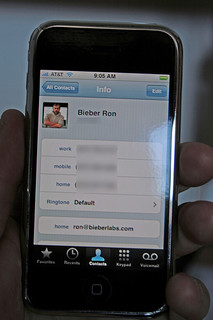
The Full Rundown. Go through your entire contact list and send each person a quick email or give them a call. This will keep your list fresh and relevant, and you can see if any former prospects have changed their minds about your service. The full rundown can help you prioritize your strategy, and keep you organized
The Hail Prospects. Go all out. Make a list of all ideal people you want to work with and find ways to contact them. Go all out, reach for the top, even if you think it’s impossible. Throw everything you’ve got at your search until something breaks through.
The Double Back. Make sure you follow up with everyone you talk to with a thank you note. Remember as well that past clients may be interested in upgrades or additional products that you have to offer.
What’s your favorite play? You can join the Cydcor community and let us know!