
Found 0 posts

Gearing up for another business trip? Perhaps you’re a frequent business traveler and want to streamline the process, or maybe you’re preparing for one of your first business trips. Either way, having a systematic routine for getting yourself ready to hit the road will end up saving you time.
Here are eight smart business travel tips to make your business trips go as smoothly as possible with a minimum of inconvenience and, if you play your cards right, extra perks to boot!
1. Make a Checklist
Make a checklist to help you remember essentials as well as those random items (spare flash drive, phone charger, extra business cards, etc.) that you will inevitably find yourself searching for once you're mobile. Update your list as needed. A thorough checklist will make everything else seem just a little less stressful.
2. Don't Check a Bag
Bring a carry-on bag that meets airline specifications for size limits and pack versatile items that take up minimal space. Checking luggage can cause complications when flights are delayed or bags are misplaced, and it’s wiser and more convenient to have your belongings with you.
3. Get Pre-screened
Sign up for TSA Precheck and Global Entry as well as frequent flier programs. Shorter waits save you time, and airlines recognize frequent fliers not only with flight miles—which can add up quickly to a free flight or two—but also with perks such as seating upgrades and priority boarding as well as airport hospitality lounges.
4. Bring Your Own Snacks
Bring healthy snacks that are easy on your digestive system and keep your hunger at bay until you arrive at your destination. Airport convenience stores sell these usually inexpensive treats at a big markup, so make sure to bring your own along during your business traveling. Nuts, dried fruits, granola bars, and fresh fruits such as grapes, apples, or oranges all make great travel companions and will make you less likely to purchase expensive, caloric, and bland prepackaged foods on the airplane.
5. Dress Well
Dressing for success is always a good idea, but even more so on business trips. Not only do you stand a better chance of being upgraded, but dressing well will make you feel more confident and comfortable. You never know when a great networking opportunity might arise.
6. Use Technology to Plan Ahead
To make your business traveling as comfortable as possible, consult seatguru.com for a transparent look at your plane's seating configuration, including exit rows, lavatories, and in-seat power ports. You can even request seat changes on the app. Opentable.com makes it easy for you to secure dinner reservations in your destination city with its more than 20,000 worldwide restaurant members.
7. Stay Healthy
Regardless of your destination, you will encounter breeding grounds for germs in high-traffic areas such as airports. The last thing you want to bring home with you is a virus that drains your energy and leaves you feeling under the weather. Antibacterial wipes are an important ally that will sanitize your tray table or any other makeshift common use space where you set up shop.
8. Maximize Your Time
Looking to get some work done during your flight? Make sure you have a few essentials for remote working situations. Spring for some good noise-canceling headphones, a necessary investment for keeping your train of thought on the tracks. Proper headphones will allow you a modicum of privacy and the ability to focus or relax without disturbances. Make sure to bring a portable keyboard, which turns your smartphone or tablet into a laptop so you can salvage some productive moments and still have room for a beverage on your tray table. Finally, don’t forget a portable external hard drive. If you need to access volumes of paperwork, a compact external hard drive is your answer.
Seeking to not just survive, but also to thrive as a business traveler? If you incorporate these business travel tips into your business trip routine, you will return to the office refreshed, invigorated, and ahead of the curve. Staying savvy to the latest in travel innovations will allow you to master the art of business travel in the course of your own business undertakings.

For many, the idea of speaking in public is daunting. While a little nervous energy is healthy, excessive public speaking anxiety can be crippling. Being charismatic and engaging doesn’t necessarily come naturally, even to successful business people and world leaders. Whether it’s a keynote speech for hundreds of people or a simple team meeting, it takes a lot of effort to be a great speaker, starting with controlling your nerves.
Learn how to manage your nerves and boost your confidence so you can confidently conquer public speaking.
1. Get into the Zone
Focusing mentally before a public speaking event will allow you to give your best quality output. Make sure you’re comfortable with the venue by arriving a little early to get a feel for the set up. If possible, do a brief run through with the microphone. Whether it’s a small breakaway room or even the parking lot, find a quiet place where you won’t be disturbed and take a moment to focus. Different people need different things, so you’ll need to learn what works best for you.
2. Warm Up
Public speaking can feel like a workout. Get yourself physically ready by doing some vocal exercises, which will help you project your voice and come across more confident in your delivery. Now, strike a power pose. Amy Cuddy, a body language researcher at Harvard Business School, suggests power posing to ease nerves before a presentation or public speaking engagement. According to Cuddy’s research, simply putting your hands on your hips or striking the CEO or Superman pose for two minutes will reduce your levels of cortisol, the stress hormone. This will give you a boost and make you look and feel powerful.
3. Work on Your Body Language
Public speaking isn’t just about what you’re saying, it’s also about how you’re saying it. The way you convey yourself—your body language, your facial expressions, and even your gestures—can affect the impact of your delivery. It’s important to be mindful of these nonverbal cues. Simple things like keeping your posture upright and expanding your chest helps. Smiling and making eye contact will put your audience at ease even if you’re speaking about a more serious topic.
You can read more body language dos and don’ts in our blog, 8 Common Professional Body Language Mistakes to Avoid.
4. Memorize Your Content
Memorizing the sequence of your slides or your note cards—whatever you’re using to prepare or presenting visually—will help you to feel in control and allow you to anticipate which slide comes next, making you look more professional. Start by memorizing key points and you’ll slowly begin to weave a story line. It will also reduce the likelihood of you getting off track should you feel overcome with your public speaking anxiety.
5. Tell a Story
The more data-driven your content, the harder it is to keep your audience engaged. Telling a story with your content is a good way to connect with your audience. It will help them understand where the concept comes from and what it means. The key is making sure you have a thread that links the different ideas and concepts throughout your presentation.
Structure your material so you start and end strong. Don’t waste time with a longwinded introduction, especially if you have a time limit. You may even consider starting with a personal anecdote or provocative question—something that will make the audience feel they can relate to and connect with you.
6. Rehearse
The best way to boost your confidence is to rehearse, rehearse, rehearse. This will also help you memorize the material. Ideally, rehearse in front of someone. If that’s not possible, you can use a mirror. Always time yourself while rehearsing to ensure you don’t exceed the time you’ve been allocated. If your presentation includes a question-and-answer session, you can prepare some model questions and answers ahead of time to help ease your public speaking anxiety.
7. Pace Yourself
Be mindful not to lose your audience. There’s a fine line between speaking too fast and too slow. Speaking too fast can make you come across as nervous. You can manage the pace of your public speaking by including pauses before or after key statements. This will make them stand out and have the added benefit of giving you a breather.
8. Stay Hydrated
Drinking warm drinks before your engagement will soothe your throat. Nerves can make your mouth go dry, so keep a bottle of water nearby to keep hydrated.
Like most things in life, practice makes perfect when it comes to combating public speaking anxiety. The best way to build your confidence is to take up every opportunity you can to speak, no matter how small the audience. The more experience you have, the more confident you’ll be and the better you’ll become at managing your nerves.


Everyone needs constructive criticism or a second opinion sometimes, but receiving feedback from colleagues and peers can be a lot harder than you’d expect. Many people squirm when they’re asked for their opinions, and they either avoid giving one altogether, or the feedback they offer is overly polite at best, and downright unhelpful at worst. Constructive, honest feedback turns out to be a rare commodity, but getting valuable critiques from trusted peers doesn’t have to be like pulling teeth. Understanding why people avoid offering their honest opinions can help, and being strategic about how you ask for feedback can make getting the answers you need a lot easier.
Reasons People Don’t Give Honest Feedback:
1) Set the Stage for Honesty: When seeking feedback from others, start the conversation by letting them know that you really do want honest feedback. Tell them that you don’t need to know what is working as much as you need to understand what isn’t working. Making a straightforward request for honesty over flattery can help break through the stalemate faster.
2) Ask for Tips, Not Opinions: People are hesitant to offer their honest opinions, because they don’t want to hurt feelings or sound presumptuous. Take the pressure off them by asking what actions you can take, and avoid the issue of opinions altogether. Instead of asking, “Do you like this?” or “Do you think this works?” ask, “How can I make this stronger?” or “Should I add anything else?
3) Guide the Answers with Specific Questions: Sometimes people aren’t sure what kind of feedback you want, so they avoid committing by saying something vague, general, and not very helpful. Point them in the right direction by asking about specific issues you’re hoping to address. Consider questions like, “Does this example help clarify my point?” “Is this chart easy to read?” and “Do you see three sentences I can cut to make this more succinct?”
4) Ask About Weaknesses: People desperately want to avoid saying anything that could be perceived as negative, but that constructive criticism is often the most critical for making real improvements. Ask directly about weaknesses. By putting the idea of weaknesses on the table first, you open the door to constructive criticism and give your colleague unspoken permission to be honest. Try asking, “What don’t you like?” or “What would you do to make it better?”
5) Give it to Get it: Offering your own opinion is one of the most effective ways to get others to share theirs. People give back what they get. Set a precedent of providing your honest opinion when asked. Frequently offer to exchange feedback with trusted colleagues to establish a track record of open communication and create a trusting environment.
6) Embrace the Good AND the Bad: Always show appreciation for feedback, even if when it’s hard to hear. If you react badly when colleagues share their honest opinions, they will never give them to you again. Remember that you’re the one asking for their critique, so it’s only fair for you to accept any constructive criticism they may have. Closing yourself off to honest critiques works against you and your work. Feedback is a gift. It’s your chance to improve your work before its final, but asking for feedback when all you really want is flattery puts your colleagues in an unfair position and wastes their valuable time.
7) Ask the Right People: There will always be some people who are more willing to share their opinions than others. If you really want honest feedback, go to those who will offer it freely. You don’t have to take their advice, but you’re sure to get something valuable from the conversation.
Getting people to be brutally honest in the workplace can be tricky when egos and manners get in the way, but the misconception that being honest IS brutal is the problem to begin with. Help contribute to a corporate culture of open communication by showing your enthusiasm for peer critiques. Thank colleagues who are willing to share their opinions, and fully own whatever feedback they offer. Act as an example to others by sharing your own honest critiques freely. None of us can do our best work in a vacuum, and the advantage of working with a diverse group of people is the unique perspectives individuals can offer to help each other excel.


Building great teams starts with great leadership. As a manager, your job is about more than just delivering results. Your team members depend on you to help them keep their eyes on the prize. They look to you for support, encouragement, and most of all, for the motivation to deliver more than what is expected of them. Your passion for the work will inspire theirs, and by helping your team stay energized, positive, and driven toward your shared goals, you can position yourself and your team members for unprecedented success.
1. Listen Up: It’s easy to make assumptions about what employees want and who they are, but to truly motivate your employees, you’ll have to start listening. Spend one-on-one time with each team member to learn more about their goals, dreams, and challenges. Take a pause before responding with your own ideas to ensure you’ve fully absorbed what they’ve told you.
2. Ask Questions: Ask team members questions to help figure out what motivates them and what is holding them back. Instead of telling them why they should care, help them discover for themselves what drives them.
3. Create a Positive Work Environment: It’s simple. Happy employees are motivated employees, and unhappy employees find it challenging to stay engaged. Examine the culture at your office, and ask yourself if you were a team member, would you feel supported and excited to come to work? If the answer is no, start brainstorming ways you might be able to change things. If you get stuck, enlist the help of your employees. The simple act of including them in the process may motivate employees to work even harder.
4. Take a Personalized Approach: One size does not fit all when it comes to motivation. Relate to your employees on an individual level and adjust your leadership approaches according to what works best for each of them.
5. Set High Expectations: It’s hard to feel motivated when your supervisor does not seem to believe in you and expects you to fail. Instead of focusing on what the employee is doing wrong, reassure your team member that you know he or she can blow it out of the water.
6. Earn their Trust: Employees need to believe you when you say you have their interests at heart. Managers who expect employees to work hard just because it makes them look good, quickly foster resentment that can infect and demotivate the whole team. Make it clear that you want them to succeed, not for your benefit, but for theirs.
7. Offer to Help: Setting clear expectations is great, but employees also like to know that their managers have their backs. Let employees know you’re there to support them in any way they need.
8. Focus on Growth: Studies have shown that money alone, is not an effective incentive to drive performance. While it may seem counterintuitive, employees are far more motivated by autonomy, mastery, and purpose. To get your employees charged up, talk about their hopes and dreams for the future, recognize their improvements, and rally around your purpose as an organization.
9. Check in Often: Motivation is not something you can set and forget. Let employees know you’re paying attention. Acknowledge progress, praise accomplishments, and help team members look for potential solutions to their challenges.
10. Be a Good Example: Wanting your team to perform is a no brainer, but are you leading by example? You can’t expect your employees to feel motivated if you’re not fully invested too. Give employees something to aspire to by maintaining a positive attitude and by constantly looking for ways to go above and beyond.
Remember that high-performing, motivated teams start with great leaders. Most employees want to do well. They just need good managers who can help them keep their eye on the things that matter. Following these simple steps can help fuel your team members’ drive to succeed.
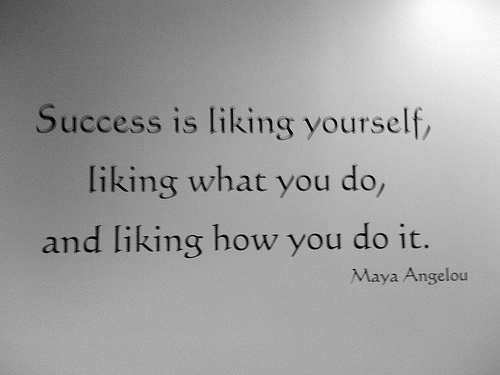
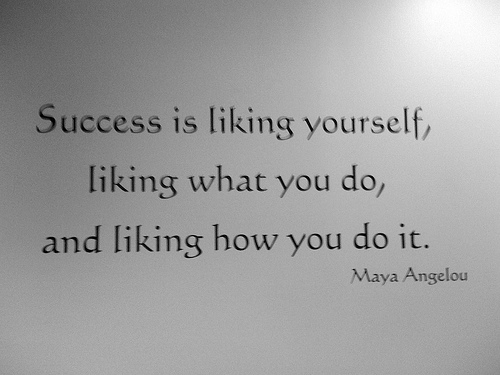
In a business environment, we all try to put our best foot forward when interacting with our co-workers, managers and clients. However, not everyone is immune from traits that might be off-putting, either consciously or subconsciously. In order to achieve long-term happiness and achievement, it is critical to be self-aware of not only your best traits, but also of ones that need improvement.
Negative Thinking
A lot of pessimists in the world consider themselves realists rather than “negative minded thinkers.” However, for others it can be difficult to be around those who speak incessantly of problems and issues, and who are stubborn to see the positive side of situations.
Being pessimistic is one thing—but remaining in a perpetually negative mind-set can frustrate those around you. Think carefully about how what you say might be phrased in a less negative light and try to see a problem as a new challenge to take the lead on.
Validation
Everyone loves to be appreciated and acknowledged for his or her efforts and accomplishments at work. However, those who constantly strive for validation are exhausting to be around. Those individuals get caught up in the need to prove their worth and to win those around them—to the point that they can over-attach to projects and be unintentionally draining.
It isn’t about what you achieve in the eyes of the group. It is about the journey, what you’re learning, and how you help those around you. Support comes from your team, and with a great assembly behind you, they will all learn and grow in the process.
Perfectionism
Author Michael Law once said, “At its root, perfectionism isn’t really about a deep love of being meticulous. It’s about fear. Fear of making a mistake. Fear of disappointing others. Fear of failure. Fear of success.” There is a lot of truth to those statements, and as a culture we tend to reward perfectionists for setting high standards. And perfectionists frequently are high achievers; however the price they pay for that success can be a source of great dissatisfaction.
Underneath it all, perfectionists have a high drive to succeed, however they need to realize the at times that “perfect” is an unrealistic goal. Such an effort towards perfectionism can often get in the way of the bigger picture, so figure out what “good enough” is, and be happy by letting go of unnecessary and unproductive pressures.
For more information about Cydcor, connect with us on LinkedIn.

Cydcor Reviews has recently reviewed Lean In: Women, Work And the Will to Lead By Sheryl Sandberg With Nell Scovell:
About Lean In: Author Sheryl Sandberg is the chief operating officer of Facebook and is ranked on Fortune’s list of the 50 Most Power Women in Business. She was also recognized as one of Time’s 100 Most Influential People in the World—no small task. It’s safe to say, Sandberg knows the world of business, and offers a unique perspective for women to relate to.
Through personal anecdotes, hard data and compelling research, Sandberg digs deep into women’s roles in business and leadership positions. She discusses her own decisions, mistakes and daily struggles to make the right choices regarding her career, her family and for herself.
Cydcor is on Twitter! Follow us today! https://twitter.com/cydcor
Why Cydcor recommends this book for future leaders: Sandberg gives practical advice on negotiation techniques, mentorship and how to build a satisfying career. While mainly focused on her own perspective as a woman lending advice to other women, it’s hard not to find pieces of her wisdom that men wouldn’t be able to take away.
Written with humor and inspiring calls to actions, Sandberg describes specific steps women can take to combine professional achievement with personal fulfillment, and also describes how men can benefit as well by supporting women in both the workplace and home-life.
Our favorite part: Sandberg is perhaps best known outside of the business realm for her compelling TEDTalk, which she described how women unintentionally hold themselves back in their careers. Her talk has been viewed on YouTube more than a million times and her speech contains core elements of her book. Lean In is designed to change the conversation from what women can’t do to what they can.
Check out the latest video on the Cydcor Sales YouTube Channel: Cydcor Results - Built for Success!