
Found 0 posts
Being inspired by a work of art is not unusual for many professionals. For example, finding motivation and inspiration in a film can lead to thinking bigger. The following are four films that can teach an entrepreneur the values needed to succeed in the business world. They also offer valuable life lessons on how to succeed when the going gets tough.
Glengary Glenn Ross
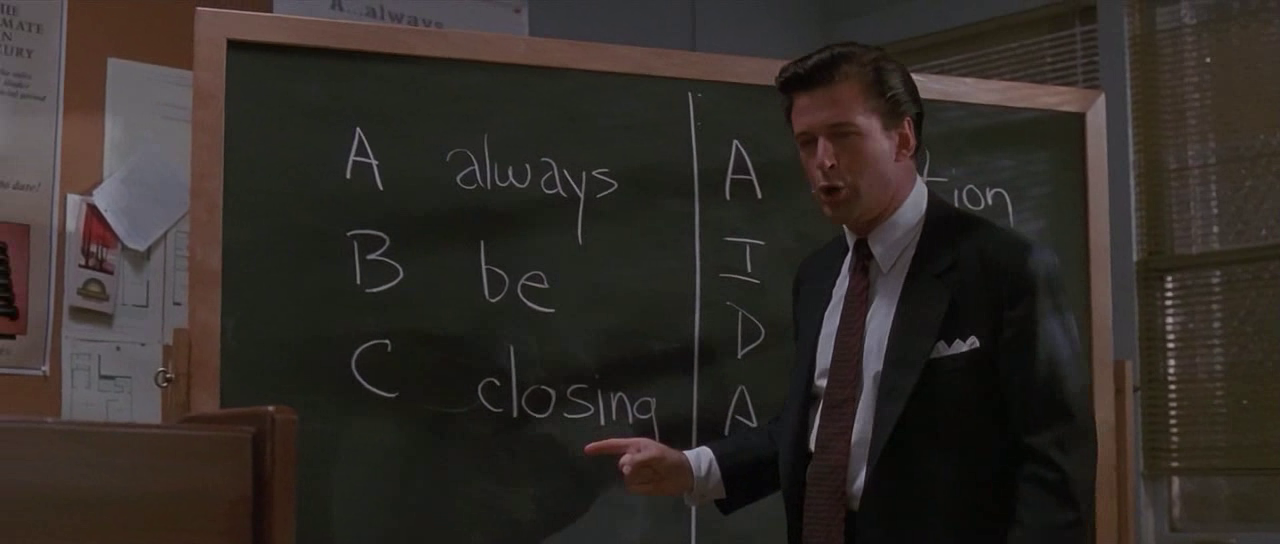
A film focusing the Chicago real estate scene, Glengarry Glen Ross is essential for anyone looking to get involved in the business and sales industry. Being an entrepreneur means volunteering for a brutal world, and this film gives good insight on what it’s going to be like. These real estate salesmen put it all on the line when stakes are high, and the pressure is on. Additionally, it’s worth watching for the motivational scene with Alec Baldwin giving a pep talk to the main protagonists.
The Aviator
Leonardo DiCaprio was nominated for an Oscar for his take on famous movie director and aviator Howard Hughes. Facing huge obstacles to get his work made, Hughes spent massive amounts of time on his attention to detail and perfectionism, and it shines through his work. For an entrepreneur, this film shows that it’s never going to be easy or simple work, but it will be worthwhile. Howard Hughes serves as a shining example of the dedication required to make a name for yourself.
Risky Business
The movie that put Tom Cruise on the map, Risky Business is much more than one scene of a guy dancing in his underwear. Heading out of town, Joel’s parents leave the house and their Porsche to be cared for by their teenage son. Things go awry, and Joel finds himself in a situation where he needs cash fast. This is an interesting film about thinking outside the box when things get tough. Joel may not make the soundest decisions, but he goes with the flow and ends up succeeding. This is the path of an entrepreneur: taking chances to get the biggest results.
Rocky
Although not much to do with business, Rocky tells an amazing underdog story for anyone to enjoy. The rags to riches story of Rocky Balboa is heartwarming, emotional, and encouraging. Uneducated but with a heart of gold, this small-time club fighter gets a shot at the world heavyweight championship. This film can teach an entrepreneur that you don’t need to be the biggest dog in the fight to succeed. All it takes is proper training and work ethic to outmatch the competition.
Learn more about Cydcor by heading over to the Cydcor Sales YouTube channel.
Are you finding yourself with a lot less time on your hands than usual? Life can get hectic, and it’s easy for someone’s schedule to get too full. Here are a few simple tips to do today that can help anyone get more things done!
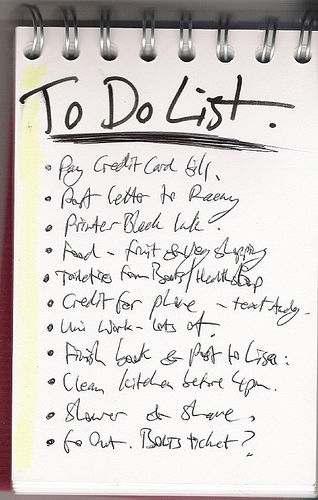
Stick To a To-Do List
Every morning, create a to-do list with the things that MUST be done today. Even if there are only a couple of things on the list, it’s always nice to be able to cross something off.
Wake Up Earlier
How early do you wake up before work? If possible, try and set your alarm at least 30 minutes earlier than usual. Those 30 minutes can be used for things such as exercise, relaxing hobbies, or even starting on work earlier than usual.
“Eat the Frog”
One of the most famous phrases used for procrastinators, “eat the frog” means to finish the most dreadful task before anything else. It will make the day much easier, as well as give you motivation knowing that you accomplished the hardest thing for the day.
Clean Things Up
Is your workspace as tidy as it can be? Cleaning and putting things away can replace chaos with order. This can also lead to fewer distractions, and maybe even a few positive comments from co-workers!
The Don’t Do List
So we’ve now set up our to-do list, but have you ever tried a don’t-do list? This is a list of things you never want to do during the day. Some examples can include procrastinating, checking social media, or even day dreaming too much. Write them down, and be sure to avoid committing the crimes.
Stay Healthy
Exercise has been proven to be a great way to relax. It also is an outlet to get any frustrations out. For those that have no interest in intense workouts, try out some yoga!
Meditate
Even 10 minutes away from your desk can help you clear your head. Trying meditation is one of the most beneficial things you can do; plus, it can also help to make better decisions when you can think plainly.
Get Off the Grid
When we participate in social media or text with others, it can become too easy to get distracted. Put your phone away for thirty minutes and bust out some work. You’ll be thankful that you’re in the zone without anyone bothering you.
Take a Break
Working for eight hours straight with no breaks is not healthy, and can lead to more stress and anxiety. Don’t feel guilty for taking a break from time to time. Just make sure you’re working hard enough to deserve it!
Read More
Reading can make you smarter and also more informed. It’s also a great getaway from the business of life. Go outside and read a chapter of a book that interests you. It’s a great way to accomplish a small goal while getting intellectual benefits.
What are your favorite ways to be more productive and get more things done? Let us know in the comments!

The entrepreneurial spirit is alive and well in the world today. Although it may have become harder to innovate and come up with the next big thing, there’s still a possibility that it exists somewhere close. The following are a collection of quotes to motivate any entrepreneur.
“It’s not that we need new ideas, but we need to stop having old ideas.” —Edwin Land, Polaroid co-founder
This quote speaks to any person who likes to dream big. Nothing grows in the comfort zone, so be ready to put yourself out there and think outside the box. We don’t always require genius new strategies. It’s about looking at what you have, and moving forward from there.
“Timing, perseverance, and ten years of trying will eventually make you look like an overnight success.” —Biz Stone, Twitter co-founder
It’s rare for a person to strike it big without putting in the hard work that’s needed. Biz Stone puts things in perspective. What really goes on behind the scenes of the world’s biggest successes? Often, much more than most people realize.
“Risk more than others think is safe. Dream more than others think is practical.” —Howard Schultz, Starbucks CEO
There is no reward without risk. Every day, a decision will need to be made that may not have a guaranteed happy ending. Dream big, and don’t be afraid to take the necessary chances.
“The most dangerous poison is the feeling of achievement. The antidote is to every evening think what can be done better tomorrow.” Ingvar Kamprad, Founder of IKEA
Kamprad makes a simple point: never be satisfied. No matter how much success you have found, always look to the future and discover what else can be done to improve the world. By keeping focused on what else can be done, achievements can be that much sweeter.
“If you just work on stuff that you like and you’re passionate about, you don’t have to have a master plan with how things will play out.” Mark Zuckerberg, Co-founder and CEO of Facebook
Not one person in the world has a playbook of shortcuts in life. To really get to where you want to go, always keep in mind the things you feel passionate about. Every step toward that passion, no matter how small, is a step in the right direction.
What entrepreneurs have inspired you? Let us know in the comments below!

Cydcor is the recognized leader in outsourced sales services. Learn more about Cydcor by checking us out on Facebook.
Not many people love it, and almost no one just likes it. Waking up early to catch the worm on a regular basis is not the easiest thing in the world. However, there are countless benefits to waking up earlier than scheduled, having a healthy morning routine can all be the first step to reaching success. Get started today with these morning routine tips:
The Obvious: Breakfast
Touted as the most important meal of the day, breakfast can have a big impact on how the rest of your day goes. Starting off the day with a healthy and balanced meal can guarantee you have enough energy for anything you are up for. Fruits, whole grains, and eggs are all nutrient rich foods that will keep you full and focused. Try and stay away from anything with too many carbohydrates; foods like bagels or donuts have a tendency to slow people down after the initial sugar high ends.
Meditate
When was the last time you had a few minutes to yourself? Our lives have never been busier, so it’s important to take a step back and let yourself focus on where you are in your life. Even fifteen minutes of guided meditation (Cydcor recommends the app Headspace) can make a world of difference. Being able to find moments of tranquility and relaxation during a hectic schedule will help you find success.
Staying Informed
No matter what your source of news is, take a few minutes each morning to catch up with the world. What is everyone talking and caring about? This not only helps to keep you informed, but also allows you to learn things that can be helpful for the rest of the day. Maybe it’s bringing up a new social app at lunch for coworkers, or learning some new tips on making the most of the workday. Being able to be caught up in the world as its benefits, and they show well at work.
Exercise
To stay cool and relaxed under pressure is something that all successful people need to be able to do. One way to improve this is to exercise in the morning. Try going for an early morning jog or doing a few push-ups before breakfast—anything to get your heart beating a little faster. The physicality of the activity will get your energy up for the day, clearing your mind and allowing you to focus on the most important things. Did you know that Apple CEO Tim Cook hits the gym every morning at 5 a.m.?
Have any other tips to starting success in the morning? Share them in the comments!

“To give real service you must add something which cannot be bought or measured with money, and that is sincerity and integrity.” – Douglas Adams, author
When you look to offer a service or product for consumption or use, you want to offer your clientele something that you believe in, and that has been created with authenticity. A well-treated customer who has been approached with care and earnestness is a customer who feels appreciated—and it is these customers that are much more likely to purchase a product from someone they feel has their best interests in mind.
Know your product and service inside and out. Understand what goes into it, how it’s crafted or how it will be executed so that you can explain easily and without stress how your product is worthier than the competition’s product. It’s imperative you believe in what you are looking to sell. Showing a competent knowledge will not only make it easier to describe and illustrate how it can benefit your potential customer, but it will also allow the customer to feel that you are confidence in what you are offering.
A huge portion of job satisfaction comes from how we feel about ourselves at the end of the day. This can be attributed to how we treat our customers, and whether we are authentic in ourselves and our services. Being authentic to one’s self drives the beliefs necessary to make a huge difference in our lives, and the lives of customers.
As Bruce Barton, an American author once said, “The essential element in personal magnetism is a consuming sincerity - an overwhelming faith in the importance of the work one has to do.”
If you have one, be sure to follow Cydcor on Instagram!
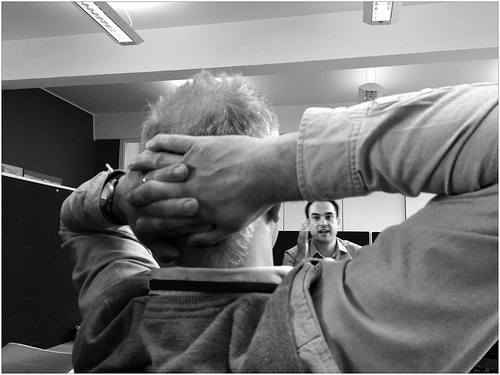
Having clear and excellent communication skills is crucial for any business professional. A person must be able to articulate exactly what they mean if they want work to get done correctly. You may think you have a genius idea, but if you can’t articulate it well, it will be difficult for your team to jump aboard. Communicating clearly can make all facets of business a little easier. Here are a few tips to regularly communicate more concisely:
Brainstorm the Idea
Try to avoid expressing an idea to others too soon after inception. Flesh out the idea fully to ensure it makes sense and is understandable for others. By putting in extra effort to think of all the different possibilities, you can avoid presenting an idea that just doesn’t work. Think about it for a bit, and if it still makes sense, move forward!
Write It Out
Write down the idea and read aloud it yourself. This will create a visual and auditory representation of what you’re trying to communicate. If it sounds right and makes sense, you’re on the right path. If it doesn’t, you may have to go back to the drawing board.
Feedback
Need a little assurance before communicating to your team? Present the idea to someone you trust, such as a co-worker or friend. They can give you another layer of feedback, and bring whatever you’re trying to say to the next level.
Simplify the Message
It’s not a good idea to start rambling when it comes to communicating. If it’s too confusing, many people may tune out and miss out on what you’re trying to get across. Simplifying the message can ensure that people get the most important pieces of information first. After you’ve formed a simplified message and can finally introduce it to others, be sure to….
…Ask if People Need Clarification
There have been countless times when I’ve assumed I understood a request, only to find out later that I didn’t fully comprehend what I needed to do. Be sure to ask if what you’ve just described is clear to everybody. It can add another layer of understand for some, as well as fill in someone who may not have been listening as attentively as they should have been. It also guarantees that what you’ve said is made crystal clear.
Communicating more clearly is something that all business-oriented individuals struggle with. It doesn’t have to be impossible. Just keep in mind that clear communicators make sure their ideas are fleshed out and will make sense to as many people as possible—the first time they explain it.

Cydcor recently wrote on Life Hacks for Left-Brain Thinkers, but what about those of us who identify as “right-brain” thinkers? People who excel in creative arts, love to experiment and tinker and learn better when things are explained visually are considered “right-brain” dominant. However, along with these positive attributes, right brain dominant individual are often thought to be easily distracted and unorganized.
Being a visual-spatial learner means your brain learns best through visual clues and observation. Long, complicated mathematical problems or block-text can often cause right-brained individuals to tune out.
Cydcor is hiring! Head over to the Cydcor CareerBuilder page for our latest job openings.
Right-brain dominant people often like to work in groups, but it’s also good to give your left brain some exercise as well. To do so, encourage yourself to work alone whenever possible. While team tasks can be great creative opportunities, it’s also important to learn how to be able to tap into your left-brain by giving yourself some quiet space to focus on the task at hand.
Visual-spatial learners don’t do well under pressure. Give yourself as much time as possible to finish a project, and avoid procrastination by scheduling this time and ensuring ample opportunity to get things done without time pressure setting in.
Encourage yourself to draw webs and links while taking down notes, rather than writing things in a more linear fashion. Draw pictures if it helps illustrate a point—even something as a simple doodle can reinforce the information.
Managers can assist right-brain thinker by showing the whole picture for facts that need to be memorized, versus just handing out a document for them to read and memorize. Visual supports such as pictures and maps help with ideas and facts. In addition to providing information verbally, use colors, charts and other visual aids to help them commit information you need to know by memory.
Learn more about Cydcor at our profile on Hoover's.

Those who identify as “left-brain” thinkers tend to be more on the analytic and logical side of the spectrum of thought. Law, finance, engineering and the sciences are some of the many industries that those analytical types tend to fall into. But in an age of innovation, those more systematic thinkers might need a kick-start for creativity to keep up. While there are distinct verbal and analytic styles of thinking associated with different hemispheres of the brain, that doesn’t mean that they aren’t able to delve into more creative areas.
Unfortunately, a large portion of the population believes left-brain thinkers struggle with creativity or aren’t able to generate new ideas. While one might become set in a pattern, it is still possible to break out of this limited method of thinking.
For more information about Cydcor, be sure to follow us on Instagram here: http://instagram.com/cydcor.
Author Daniel Coyle’s book The Talent Code describes in detail what physically happens to the brain when someone develops a new skill. In order to properly build up your brain to receive and keep new thought processes, knowledge and skills, Coyle calls for a need of what he names deep practice, which is exactly what it sounds like: practice. Learning and performing a new action involves firing an electrical signal through a neural pathway. Every time this happens, it thickens the myelin sheath that surrounds nerve fibers. The thicker the myelin sheath around the neural pathway, the more easily and effectively we use it.
What are ways we can “hack” our right-side brain and begin to let it out of the box? Some tips to start thinking creatively are simple:
Sign your name in the way you’ve developed, then re-sign it—backwards. Just the mere motion of attempting to break out of what you would normally do fires the right brain hemisphere. Try signing your name in different writing styles. Upside down. In a spiral. In loops. Repeat this until you are able to sign in all different designs and directions.
The right hemisphere aids in your ability to move in an unfamiliar way—such as dance. Just as we must take steps to learn new moves—a yoga position, a straighter posture, or running style—our brains must use a similar process to learn how to think differently.
Begin the art of deep practice by conquering any unaccustomed task, attempting challenges and feeding stray information into your right brain's database. Before you know it, you will see new ideas begin to emerge.

"If you work just for money, you'll never make it, but if you love what you're doing and you always put the customer first, success will be yours."
-Ray Kroc, businessman
Money is not the be-all and end-all of success. First, love what you are doing and take full gratification in pledging yourself entirely to your work and the needs of your client or business. This outlook on your work can transform the level of success and happiness you achieve throughout your life.
"The secret to productive goal setting is in establishing clearly defined goals, writing them down and then focusing on them several times a day with words, pictures and emotions as if we've already achieved them."
-Denis Waitley, author and motivational speaker
Creating a clear plan is key. Start by envisioning yourself experiencing success every day of your life. You are more likely to commit to keeping promises and staying on your goal path by visually focusing on them daily.
"It is not what we get. But who we become, what we contribute... that gives meaning to our lives."
-Tony Robbins, life coach
A large part of being successful means remembering others in your lives and how each person helped you get where you are today. True happiness and self-satisfaction is not measured by material wealth or possessions. Rather, it is the way you influence others and how you developed your character that makes life significant.
"Life is a succession of lessons which must be lived to be understood."
-Helen Keller, author
Why do some things happen one way while other things happen differently? In order to fully understand why events occur the way they do, you must experience them first hand. Never just take someone else’s word for it; go out and live life to the fullest.
To learn more about Cydcor, the recognized leader in outsourced sales services, check out Cydcor's channel on YouTube.


When it comes to handling stress on the job, studies have found that 90% of top performers in the workplace are able to overcome negative reactions by managing their emotions in times of stress. The odd thing about stress is that it is an imperative feeling to have in order to make decisions, as our brains are wired in the way where it may be difficult for one to take action if not under at least some level of this emotional state.
It’s easy to let stress overwhelm you, and as the research suggests, it’s how one manages such stress that can be the key toward success.
The University of California in San Francisco has conducted multiple studies into how people handle stress. Their research shows that one quality many who handle stress well have in common is their ability to say “no.” Always saying “yes” can place heaps of seemingly unending responsibilities onto a person and can add unnecessary strain on both workload and emotions. Know and understand when you cap out on the job as far as your tasks, and be sure to communicate to your team or managers when you feel you are at the peak of your capacity. Don’t be afraid to speak up!
Exercise is an important factor in keeping stress under control, as when stress comes up at work, it’s usually the first thing that goes in one’s routine. Get your body moving at some point during the day--even ten minutes can greatly help release tension and get you motivated to conquer.
Another huge step in managing stress involves managing the negative self-talk one might engage in. Ruminating on negative thoughts, even ‘what ifs’ that might have occurred can compound stress unnecessarily.
Check Cydcor out on Bloomberg Businessweek for more information.


Musical leaders are responsive and energetic, always aware of changes in their own industry, adapting accordingly, and knowing what their audience understands and expects from them. There are a great many things one can take away from the stage into an office workplace.
Adapt
An old adage reads, “a smooth sea never made a skilled sailor.” Musicians often have to respond to surprises and adversity, since music like freestyle and jazz is all about how you react and adapt. Making a business run smoothly is always the goal; however, hurdles often can come and disrupt your plans; learning how to acclimate and react swiftly can often save a company.
Support
The best musical artists in the world know how to bring out the very best in their bands and support teams involved in setup and stage presentation. While there are times to rock out as a soloist, always remember to take a step back and let others on your team shine. As a leader, it’s important to understand that if your team did a fantastic presentation or project, see that they rocked out together, and let them know you appreciate their collaboration. Work with your team to encourage creativity in the workplace and showcase examples of solo excellence as well as teamwork.
Check out these 8 Great Work Habits on Cydcor's SlideShare today!
Audience
Musicians often create music first and foremost for themselves, but the ultimate goal is to let it be heard to a larger audience. Knowing the audience is key, especially once musicians become known for a particular musical genre. If they are known for rock ‘n roll, but play a new slower jazz piece in the middle of a concert, their audience might be less than thrilled. Your clients are the same. Know your own audience and the expectations they have for the service you are providing. Always work to provide them with something they want to keep coming back for, whether it be a fantastic product or simply great service.