
Found 0 posts

Dan Pink’s Puzzles of Motivation TED Talk asserts that the ways of “sticks and carrots” motivation is outdated and that people’s reaction to incentives has changed. To achieve peak efficiency in tasks, Pink suggests three tactics: autonomy, mastery and purpose.
Autonomy, in Pink’s definition, is “the urge to direct our own lives.” Mastery is “the desire to get better and better something that matters.” And purpose is “the yearning to do what we do in the service of something larger than ourselves.”
Learn more about Cydcor by heading to our LinkedIn company profile.
Pink references the early 1900’s, speaking on the scientific management premise that worked during a time period when work more than likely consisted of simple, boring tasks. Back then, managers deduced that in order to get people to take on these tedious tasks they had to incentivize them properly and monitor them closely.
Put even more simply, Pink says that business owners knew that in order to get the most production out of your workers, you rewarded behavior you wanted and punished behavior you discouraged.
As Pink notes, this suggests “human beings aren’t much different from horses – that the way to get us moving in the right direction is by dangling a crunchier carrot or wielding a sharper stick.” But according to Pink, this is no longer the case, and today people are motivated differently.
So what does motivate modern-day people?
Allowing autonomy to workers lets them feel and be more in control of their production. Some studies have indicated that letting workers hold themselves accountable for finishing tasks (rather than being micromanaged) and allowing for ‘creative’ days results in workers that are happier overall.
Follow Cydcor on Twitter today!
Mastery allows employees to become better at something that matters to them. People like to extend themselves and develop their skills, and they also often enjoy working in an environment where learning and development are encouraged.
Purpose means taking steps to fulfill one’s natural desire to contribute to a greater cause. A person who understands their company’s purpose and vision and knows their individual role contributes to this vision is more likely to be happy at work.
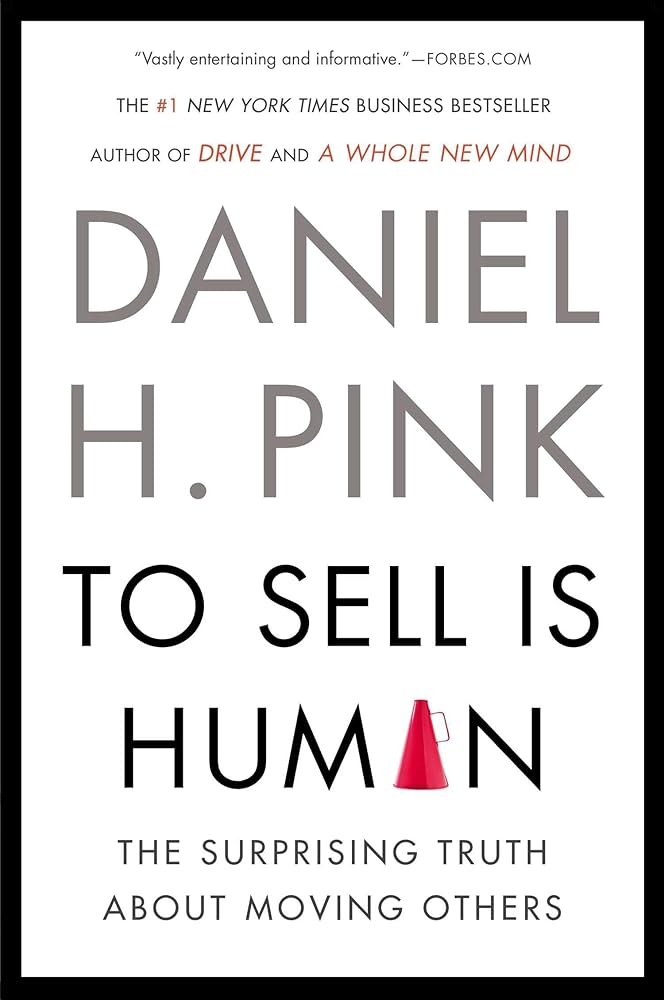
Cydcor team members recommend this refreshing look at what it means to sell in To Sell is Human.
Author: Daniel H. Pink
Description of this Book: Daniel Pink’s To Sell Is Human is about the art and science of selling, not only professionally but also in our personal lives. Selling is not just person going door-to-door selling products, or someone trying to make a commission quota. Everyone in society is now in sales in some particular way: selling their ideas, personalities, or projects that they want to get done. Pink looks at all aspects of the modern workforce and comes up with a great guide for anyone struggling with taking on the identity of a salesperson today.
Why People Should Read This Book: The book offers many concepts with actual statistical data and scientific evidence to back up points. Pink’s book succeeds at clarifying the typical view of sales as a negative connotation. We often motivate ourselves for all the wrong reasons when it comes to selling, and that’s not just for selling products. The book is very accessible and easy-to-read. Although this topic has been discussed to lengths in other sales books, Pink finds a way to put his own spin on the theory of selling in our world today.
My Favorite Part: Pink stresses that the old selling environment has changed significantly. Buyers now have the same information that sellers have, which used to give salespeople an advantage. He comes up with a new phrase for successful sales called Always Be Closing. Along with that comes the new ABCs: Attunement (perspective of audience), Buoyancy (handle rejection well) , and Clarity (help others see the whole picture). Other advice he offers is six successors to the elevator pitch, which allows a seller to propose something interesting to compel a conversation.
Want more recommendations from Cydcor? Check out this similar Cydcor review of Crucial Conversations.