
Found 0 posts

As an entrepreneur without a set schedule, it may be hard to put together a routine to keep you in the habit of efficiency and productivity. Here are seven tips from top entrepreneurs on how they structure their days.
Start early
Most entrepreneurs start their day early in the morning. Doing so gives them time to attend to personal routines such as exercise, meditation, or reading the news. It also allows you time to ease into your day, which will make you more productive and happier in the long run.
Eat a good breakfast
A good breakfast doesn’t necessarily have to be a huge production number. In fact, you can even prepare parts of your breakfast over the weekend: Boil some eggs the day before you begin your week and pull them out of the refrigerator in the morning for a quick protein boost. Buy quick-cooking oatmeal that you can microwave in just a few minutes, and stay stocked up on fresh fruit, which makes a great addition to any breakfast.
Exercise daily
Exercise gets your blood flowing and can stimulate your creativity. You can make time for your exercise routine in the morning, take a lunch break to go for a walk or do some yoga, or hit the gym in the evening for a good workout. Getting and staying fit will give you the energy and stamina you need to build your business.
Plan ahead
Take time at the beginning of your day to plan your activities. Set three most important things to accomplish and be sure that your day includes time to accomplish those tasks. Schedule your creative work, exercise, and meetings around the hours that you perform best at those tasks. It might not be a bad idea to also schedule time for skill development.
Visualize future achievements
One of the best ways to help yourself become successful is to decide what “successful” means for you and spend time visualizing yourself achieving not just that level of success, but even greater achievements as well.
Don’t forget family time
It’s easy to get caught up in the mentality that you have to work constantly, but it’s crucial to take the time to sit down and have dinner with your family. If you don’t have family nearby, use that time to do things you like to do, whether it’s walking your dog or playing with your cat, watching a movie, or going to happy hour with a group of friends.
“Unplug” at night
Put away your phone, laptop, or tablet at least half an hour before you plan to go to bed, then keep all those devices away from you—and on silent—while you’re sleeping. Disconnecting from your business and social media will ensure that you have more restful sleep, which will leave you feeling refreshed when you wake up in the morning.
What routines do you use to stay focused and efficient throughout the day? Please share your tips in the comments!
For additional blogs from Cydcor, be sure to check out https://www.cydcor.com/media.
We are Cydcor, the recognized leader in outsourced sales services located in Agoura Hills, CA. From our humble beginnings as an independent sales company based in Canada to garnering a reputation as the global leader in outsourced sales, Cydcor has come a long way. We’ve done this by having exceptional sales professionals and providing our clients with proven sales and marketing strategies that get results.

We reward Olympic athletes with gold medals for setting records. We value the person who is able to compete and win on their own terms. But athletes don’t win races on their own: these exceptional people train every day and work with coaches who teach them how to perform under pressure.
Think of yourself as an athlete in your own life. When you’re entering a time of increased pressure you need to continue to train. You also need to share what’s going on with your team at work and your family and friends.
As we take on more assignments we begin to feel pressure, and that pressure brings on stress that’s bad for your health, destructive to your productivity, and complicates your personal life. Here are some strategies for handling pressure at work and at home from Cydcor. Experiment with these tips, and over time, you will develop your ability to achieve success under pressure.
Cydcor is hiring! Head over to CareerBuilder to learn how you can join the Cydcor team today.
Be a Good Communicator
Alert your supervisor when you’re entering a stressful time. If you decide that you’ll have a problem completing your assignments you must inform your supervisor. If you’re unsure about getting something done you need to be responsible and professional enough to ask for help. Be proactive and raise a red flag when you see trouble on the horizon—not when your ship has started to sink.
Control Your Emotions
Problems will arise and pressure will grow depending on time, resources, and the difficulty of the assignment. We often react emotionally when we start to experience pressure at work. Some of us perceive pressure as a challenge while others might experience it as a threat. While emotions make it hard to think clearly and limit your ability to solve problems, know that it’s okay to feel the emotions. Transform them into the energy required to complete the task.
Make a Plan
Climbing a mountain seems impossible, but taking one-step forward is a much more manageable goal. Get the pressure you’re feeling out of your head and onto paper. Break it down into smaller tasks. Be specific. Assign a time frame for each of the steps. If possible, delegate tasks. Make notes about the process once the task is complete so you’ll have an even better plan the next time a similar situation occurs.
Cultivate Bravery
Sometimes, pressure appears seemingly out of nowhere. When something goes wrong you need to be brave. It’s time to change your thinking. Instead of choosing panic, recognize the problem and then tell yourself, “Well, that’s inconvenient, so it’s a good thing I have my notes and I’ve practiced for this situation.” Bravery comes from practice and experience. Imagine what could go wrong and develop some possible responses. Write them down. Visualize yourself completing the tasks in a calm and relaxed manner.
Take Care of Yourself
During times of high pressure it’s easy to get distracted and forget to take care of yourself. It’s at these times that you need to be most aware of your health. Avoid fast foods or unhealthy comfort foods. Eat a balanced diet, drink lots of water, schedule short breaks during the day, get plenty of sleep, and try to get some type of exercise everyday. It relieves stress, lowers your blood pressure, and improves your mood.
Check out other blogs full of business advice from Cydcor, including Building and Maintaining Customer Relationships.

Written by Sophia Amoruso, founder of online women’s clothing retailer Nasty Gal, #GirlBoss lays out Amoruso’s rise to success and the struggles she’s gone through to make it to the top. It’s the classic underdog story that’s both inspirational and educational. Amoruso wrote #GirlBoss for entrepreneurs seeking a path to success that’s different from the norm, no matter how problematic that path may be. Eight years after selling vintage clothing on Ebay, Amoruso is the founder, CEO, and creative director of an online clothing company worth $100 million. Her story is both inspirational and motivating.
Why Cydcor Reviews recommends this to future leaders:
The main point #GirlBoss discusses is that anyone can reach success, no matter how big their struggles may be. It provides an authentic voice on success, failure, and what it takes to find positivity in any situation. This book offers a philosophy for making your work both worthwhile and fun while keeping things fresh. Amoruso encourages readers to own the qualities that many people are ashamed of, such as bossiness, in order to become the masters of their own destiny--financially independent and radically ourselves. This is a book that provides a direct stream of honest advice that can’t be found anywhere else. Her unconventional approach to business and her creative experience will appeal to any aspiring entrepreneur.
Our favorite part:
As most entrepreneurs know, it can be difficult to find genuine advice on how to get going on an alternative path to success. Since Amoruso did this all on her own with no financial aid or education in the area of business, her story is inspiring. Everyone takes their own path to the top, but this is a story that can open your eyes to the idea that anything is possible. #GirlBoss provides many pointers on being a leader and boss, but the main thing to take away is to never stop, even when failure occurs, and to keep going no matter the problem you may run into on the path to success.
Here's the latest book review from Cydcor, The Magic of Thinking Big.
About The Magic of Thinking Big by David J. Schwartz
Over four million readers have religiously taken notes on The Magic of Thinking Big. This book is a great starting point on how to achieve things most people want: financial security, power, influence, a dream job, a happy life. Dr. David J. Schwartz, an excellent expert on motivation, crafted this book to help anyone sell and manage better, earn more money, and—most important of all—find happiness.
First published in 1959, many of the suggestions to think big that Schwartz suggest are still great ideas 56 years later. Schwartz presents a carefully designed program for getting the most out of a professional career, romance, and family life, as well as the local community. You don’t need to be a genius to find great success and satisfaction—but you do need to learn and understand the habit of thinking and behaving in ways that can get you there.
Why Cydcor Reviews recommends this to future leaders:
The Magic of Thinking Big is arguably one of the best books ever written about the road to success. This is one of those books that you come back to again and again to find new inspiration. Success is most definitely determined by how we think and how we react to situations that occur in our lives. This is an excellent book for leaders due to its many chapters of encouragement, inspiration, and real life stories of people who made the decision to see things positively and had their lives change for the better. This book can teach leaders that in order to overcome fear or obstacles in life, a person must have an optimistic and confident attitude.
Our favorite part:
Throughout The Magic of Thinking Big, Schwartz lays out the steps that are required to acquire the secrets of success. He also describes three “diseases” that people can suffer from that lead to failure: excuse-itis, detail-itis and procrastination. This book can help build anyone’s confidence and mentality, while still inspiring them to think differently. In short, making smarter decisions and avoiding negativity are key to discovering the importance of thinking big in all facets of our lives.
Welcome to Cydcor Reviews, a website dedicated to recommending interesting and insightful books to business professionals wolrdwide.
About First, Break All the Rules: What the World’s Greatest Managers Do Differently by Marcus Buckingham and Curt W. Coffman
Managers come in all shapes and sizes, and everyone has their own style of doing things to reach their goals. No manager is the same as any other, but many managers share the same traits: the ability to break any past rules and try new ways of thinking to reach the results they want. Marcus Buckingham and Curt W. Coffman have put together a book based on a study by the Gallup Organization made up of 80,00 managers in 400 different companies. Their findings present an enormous, in-depth study of great management, including those who did well at turning employee talent into real performance.
The main point found in First, Break all the Rules is that the key to attracting and retaining the best employees is excellent management. This book explains how the best managers use the talent of employees to set the bar for skills and experience, create clear expectations, and motivate and develop people to their full potential.
Why Cydcor Reviews recommends this to future leaders:
Management is difficult to narrow down to a set of guidelines and best practices. Often, what works at one company doesn’t work everywhere else. This book presents a firm belief in an excellent principle of management that works: focus on the strengths of people to achieve the wanted results. Building a perfect team from scratch usually doesn't work because it’s difficult to find the right people for the right role. First-line managers are the key to an organization’s success. They are the vital link between company shareholders and employees. What separates a great manager from a mediocre manager is the ability to recognize and develop talented individuals right from the initial point of employment. Buckingham and Coffman do an excellent job of conveying their study’s findings in a way that is easy to understand but still insightful.
Our favorite part:
The essence of the data found in this book forms the four keys of great managers. These key points state that managers must find the correct match between talent and roles, turn talent into performance, concentrate on strengths and not on weaknesses, and assign roles to employees that give them the greatest chance of success. First, Break All the Rules also dives into the 12 questions that give organizations the information they need to attract, focus, and keep the most talented employees. The authors group these questions into various categories and explain why they are important to keep in mind.
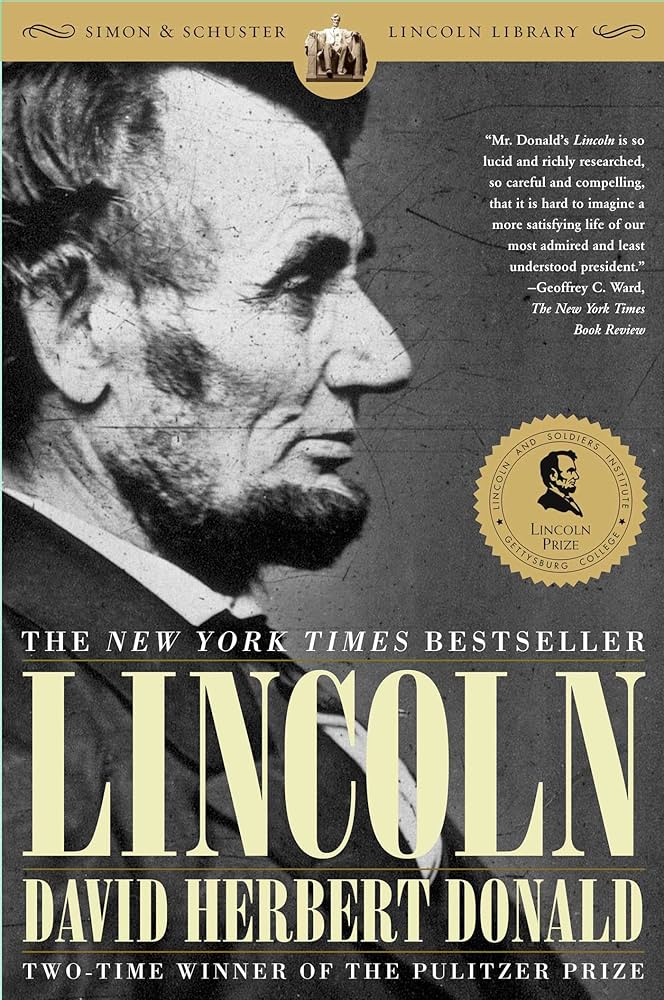
In honor of President’s day, Cydcor chose to review Lincoln by David Herbert to study one of America’s finest leaders throughout history.
Description of this book: This biography covers the life of Abraham Lincoln, the 16th president of the United States. Lincoln was raised in rural Indiana in a poor household. The book follows Lincoln’s perspective as he picked himself up through poverty and through political savvy made his way into prominence quickly. The book examines his character, his key advisors, and reveals his human flaws as well as his greatness. The author, David Herbert, is a Pulitzer Prize
Cydcor recommends this book to future leaders because: Biographies and autobiographies are excellent sources of inspiration for anyone looking to achieve professional goals. Lincoln is an especially beloved figure for Americans because he was raised in poverty and came from a disadvantage to well educated men raised in wealthy homes in cities. In many ways, Lincoln is the best representation of the American dream, that hard work and persistence will always pay off. Cydcor highly recommends any manager to take time to read and learn about prominent figures in our culture, not just for inspiration but to improve critical thinking skills and improve confidence.
Our favorite part: Herbert does an excellent job of making sure to incorporate the realities of being president into the book. He explores how decisions were made based on the information available to him, rather than taking the traditional route of glorifying the historical figure retrospectively. It is important to look at leadership objectively and understand that decisions must be made regardless of whether you have all the facts. Leadership is about being able to make the best judgment calls you can at the time it is necessary.
Follow Cydcor on Twitter, Facebook, LinkedIn and Pinterest for more inspiration and leadership advice.

The Cydcor Community chose to review Don't Sweat the Small Stuff by Dr. Richard Carlson as a great book for personal development and stress management.
Description of this book: Dr. Richard Carlson has built a career on teaching people how to manage stress and let go of the minor pressures of a fast paced American lifestyle. This is the original in a series of books on making life happier and more manageable by not “sweating” the small stuff, and pointing out even in the subtitle “it’s all small stuff”. It is easy to get frustrated and hung up over things like bills, appointments, accidents and more hurdles in life, but the main message of this book is that stress and worry only make situations work. Training your brain to think about solutions rather than fret is a powerful lifestyle choice.
Cydcor recommends this book to leaders because: Stress can be detrimental to your health and career. Stressed out people also radiate negative energy and cause others to feel stressed or demotivated. Good managers need to learn how to project productive and positive energy in order to maintain workplace harmony. This book provides great perspective and can help you change your mental state to becoming a calm, happy and inspiring leader. The book offers easy to commit to strategies that incorporate small changes that make a huge difference.
Our favorite part: "Without question, many of us have mastered the neurotic art of spending much of our lives worrying about a variety of things all at once." Dr. Carlson writes with whimsy and clarity that makes this book easy to read and convey its message. This is one that will stick with you for life.
Cydcor is a leading sales company that specializes in face-to-face relationships and professional development. Follow Cydcor on LinkedIn or Twitter for more professional development advice.
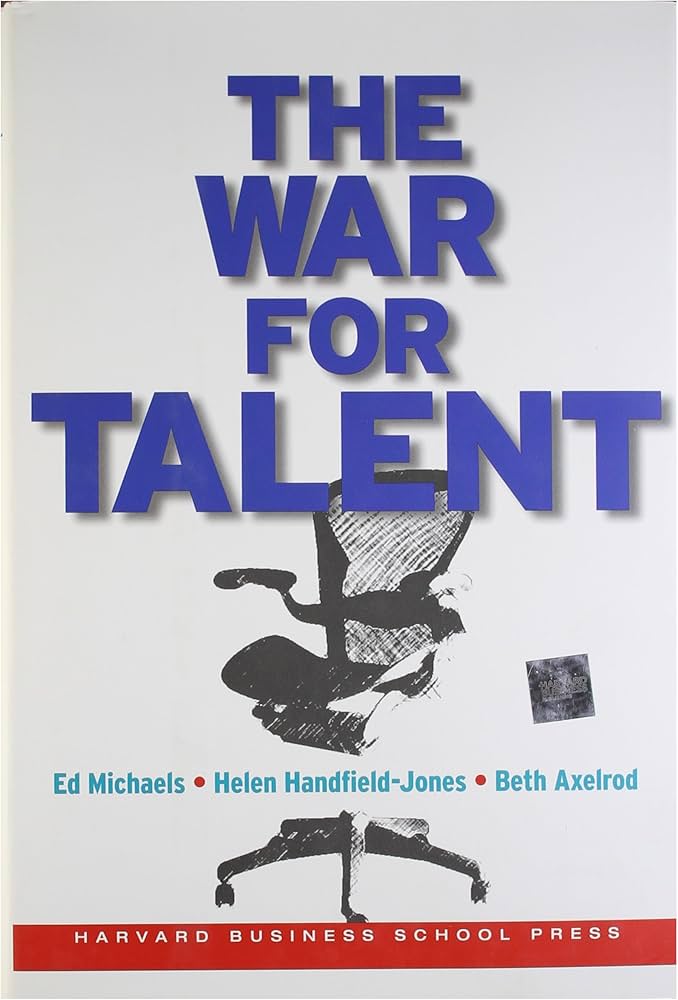
Title: The War for Talent
Author: Ed Michaels, Helen Handfield-Jones, and Beth Axelrod
Review by: Suzzanne Fleet
Description of this book: This book uses information from thousands of executives from dozens of companies on how to keep a high level of talent and performance from employees. Acquiring, retaining and developing talented individuals is essential for companies to succeed. It is important to pinpoint high performers and low performers, reward high performers, and move low performers out of the organization. The book talks about keeping a "talent mindset" that keeps recruiters and managers focused on developing talented employees. It is also important to bring in talent from other companies at multiple management levels. The book details how to design performance reviews for team members, as well as a recognition system. Authors also discuss how create incentives to make your company attractive to top level jobseekers. Cydcor works to develop our talented team of sales professionals, which is why we are frequently chosen as on of L.A. County's Best Place to Work
Why read this: Managers and recruiters alike will benefit from this book by refreshing the priorities of developing people within their organization. In an age where many employees bounce around in their career, fostering talent is an easy and important aspect of both retention and productivity.
My favorite part: There are some great case studies in the book that provide real life stories and philosophies. For example, Dee Hock, founder of Visa, tells the authors, “Without integrity, motivation is dangerous; without motivation, capacity is impotent; without capacity, understanding is limited; without understanding, knowledge is meaningless; without knowledge, experience is blind.”
About the reviewer: Suzzanne Fleet is the director of human resources at Cydcor, so managing talent is her area of expertise.


Hooray for Hollywood – and our Rising Stars! These up-and-coming top performers from independently-owned offices across North America were invited to our exclusive event, “Rising Stars,” which was held in Hollywood, California. Attendees were selected from among a network of 250 offices and had a chance to participate in a variety of educational classes and workshops that focused on a number of topics. During the weekend, they were treated to a night on the town at a popular bowling hotspot and a dinner at a well-known restaurant, where they had the chance to form powerful business relationships – and have some fun (there were several celebrity sightings!). To read more about this important weekend, check out our recent press release!


I believe that you may belong to one of the greatest generations of our time. You follow in the footsteps of other individuals who accomplished amazing things before they were 30. Steve Jobs co-founded Apple at age 21. Bill Gates co-founded Microsoft at age 20, and fellow Millennial Mark Zuckerberg co-founded Facebook at age 19.
So be proud of your considerable talents and ambition. Use your mastery of technology, your competitive spirit and intensity, your creativity and your aptitude for collaboration and communication. These gifts prepare you well for success in life and work.
It is important to remember, too, that all great people have had great mentors who have inspired and guided them. Bill Gates views legendary investor, Warren Buffet, as a mentor, and Gates himself has been an important influence on Mark Zuckerberg. Similarly, you should find people from whose knowledge and wisdom you could learn. Buffet said the key to success is to know who to be the batboy for. Good mentors can teach you how to avoid the mistakes and landmines that can harm your reputation and career prospects. Additionally, they can arm you with the knowledge and skills to perform at your best.
Certain concepts are timeless: sacrifice and struggle for long-term success; going the extra mile to reach your goals; if you get knocked down seven times, get back up eight; and so on. Mentors can help you with these vital lessons, especially when you are struggling. They can give you the support and guidance to help you get back on your feet and embrace something Abraham Lincoln once said: “Things may come to those who wait, but only the things left by those who hustle.”


In my previous post, I wrote about the great potential of Millennials. How do we help them reach this potential and motivate them to perform at their best? I think it starts with respect. They have lots of ideas that they will want to share. They are not afraid to go to the CEO during their first week of work and to make suggestions. This happened to me recently, and the suggestions were good. Listen to them. Hear them out. You may need to advise them on the “how” and “when,” but do not dismiss them. Keep them engaged.
Another thing to keep in mind is that Millennials are not patient. They want a lot of responsibility fast, so give it to them. They will surprise you with what they can do. Empower them or risk losing them to another employer or losing their full commitment and energy. Approaches like Ken Blanchard’s Situational Leadership® II and Situational Self Leadership are structured ways that can help both managers and their Millennial team members. Managers can learn how best to lead and develop their people according to their needs. And Millennial team members can learn to develop effective self-leadership and self-reliance.
Here are a few tips for mentoring and coaching your Millennial team members: