Found 0 posts


Equipment needed: blindfold, any collection of random objects (i.e. chairs, small tables shoes, notebooks, etc.)
Skill focus: communication
How to: Break the group into pairs. Place random objects throughout the room to create an obstacle course. One team member wears the blindfold while their partner guides them, verbally, through the course. The goal of this team building activity is for all team members to use their communication skills to successfully coach their partners around the obstacles to the other side of the room.
Equipment needed: piece of paper and pencils or pens, and a collection of random items to draw or pictures of objects such as animals, vehicles, etc.
Skill focus: communication and listening
How to: Ask everyone to partner up (this can also be played in small groups of three or more). Team members sit back to back, or one team member turns his or her back away from the rest of the group. One partner becomes the artist while the other partner acts as the director. The director describes an object or shape to the artist. The director can only give instructions; he or she cannot reveal what object is. The artist can’t ask any questions. This activity works best with a short time limit. At the end of the activity, the team whose drawing most closely resembles the object wins.
Equipment needed: none
Skill focus: problem solving, leadership, cooperation and communication
How to: Give the entire group a limited amount of time (5-7 minutes, depending on group size) to line up in a straight line, in order by birthday (day and month only), without talking. The challenge involves problem solving because team members cannot speak or write, but they can communicate in other ways, including sign language, finger counting, nudges, etc. Often one or more team members will adopt a leadership role, guiding their teammates through the team building activity and helping to stoke collaboration.
Equipment needed: none
Skill focus: leadership, collaboration, time management
How to: Have the entire group stand in a circle. Ask everyone to take the right hand of someone across the circle from them. Then ask them to take the left hand of someone else. Give the group 10 minutes or less to untangle themselves without letting go at any time. The can twist, step over each other, and contort themselves in any way, but they may not break the chain of hands at any time. If the chain breaks, they must start over, putting an emphasis on collaboration and problem solving.
Equipment needed: none
Skill focus: listening
How to: The team leader acts as a conductor and asks the group for a topic. The goal is to write a story as a group. All team members stand in a line. The conductor then “conducts” the story by pointing at one member of the group at a time at random moments. The team member chosen must continue the story exactly where the last person left off. When enough details have been added, the conductor says, “end it,” and the next person must give the story an ending. The story will only make sense if team members listen closely to each other and resist the urge to change the subject, rewrite, or contradict what has already been added. It can be fun to see how having an open mind about collaboration can help the group consider alternate points of view.
Equipment needed: A large sheet or tarp
Skill focus: teamwork, problem solving
How to: Place the sheet or tarp on the floor and ask the entire team (or large groups) to stand on it. The team must flip the entire sheet over without any team members stepping off. They may lift their feet, but they cannot lift each other, and nobody can step on the floor until the challenge is complete. If someone steps off, they must start the challenge over.
Equipment needed: A basket of random objects
Skill focus: creativity, quick thinking, problem solving
How to: The team leader selects one of the random objects from the basket and hands it to a team member. That team member must go up in front of the group and invent a use for that object. They must then present the object’s use as though they were in a television infomercial for the item. Once they have completed their presentation, they pass the object to another team member, who must think up their own new use for the object. The first team member to get stumped by not being able to think of a new use for the object, gets eliminated. The remaining players then start a new round with the next object in the basket. The goal is to be creative and to think quickly to solve problems. The suggested use doesn’t have to have anything to do with the object's real purpose, and the person must start speaking immediately. If a player pauses too long before they begin speaking, they can be eliminated as well.
Equipment needed: Several balls of any size
Skill focus: memory, quick thinking, focus under pressure
How to: Ask the group to form a circle. Hand any team member a ball and ask him or her to pass the ball to any other team member while saying their name. Continue to pass the ball from player to player until every team member has had the ball once. Ask your team members to remember who passed them the ball and who they passed it to next. Have them pass the ball again in that exact order. Once you’ve established that they know the order, start adding more balls and see how many balls they can keep moving from person to person without making a mistake
Team building activities are a great reminder that there are many ways to help your team grow and improve. By shaking up the routine with easy team building games like these, you can help to energize your team and prevent them from getting stuck in a rut. Games like these challenge team members to use different skills than they normally do and get out of their comfort zones by partnering with different team members than usual. These activities are also a perfect way to ensure your team members do not become siloed into their departments. Taking just 30 minutes to put a little creativity and fun in every work week lightens the team members’ spirits and helps to maintain healthy team bonds while promoting collaboration and problem solving.

The best way to build your business is to gather a loyal team around you. If your team is solid and trusts your leadership, their productivity and morale will be high, even through the hard times. So, what can you as a leader do to encourage your team to be loyal to you? Here are some tips from the experts.
Build your team’s cohesiveness
Team-building activities will encourage your direct reports to feel as though they fit in with you company’s culture. These activities can range from something as simple as a team lunch to a day-long or overnight retreat. Through group problem-solving exercises, educational and goal-setting workshops, and even casual events like completing a jigsaw puzzle together, can help your teams to really get to know each other better and build cohesiveness across different departments.
Give credit for good ideas
There’s nothing like a public expression of your delight with a team member’s work to make that person feel valued. It’s also important not to take credit for one of your direct reports’ ideas or solutions for a sticky problem. Instead, when you’re sharing the idea, be sure to mention the name of the team member who came up with it. Not only will this make them feel appreciated, but it will also encourage them to continue coming up with future solutions and ideas.
Have an open door policy
If a team member is having trouble meeting her goals, for example, be available to give her some tips and encouragement. Make time to check in with each team member at least once per month: Even a 10- or 15-minute meeting shows that you want to be his or her colleague and mentor.
Support them in their career goals
Ask your team members what they want to achieve and where they see themselves in one, five, or 10 years—and help them get there. Help them understand the steps they’ll need to take in order to move up through the hierarchy, and support them in their efforts. Let them know what skills they need to get to their desired position and suggest resources to help them build those skills.
Lead by example
Don’t ask your team members to do anything you wouldn’t do yourself. Making a big sales push? Hit the streets with your team members. Asking extra hours of your direct reports? Work those extra hours, too. Asking team members to set goals? Set some, too—and hold yourself accountable. By sticking with your team through thick and thin, and showing them what it takes to be successful, you’ll encourage them to stick with you, too.
Remember that a good leader is a servant as well. Your job is to build your team, help them when they need it, and make them feel like part of your company’s family. If you follow these tips, you’ll gain the loyalty and respect of each of your team members.
What do you do to encourage the loyalty of your team members? Share with us on Cydcor’s Twitter and follow us @Cydcor.
We are Cydcor, the recognized leader in outsourced sales services located in Agoura Hills, CA. From our humble beginnings as an independent sales company based in Canada to garnering a reputation as the global leader in outsourced sales, Cydcor has come a long way. We’ve done this by having exceptional sales professionals and providing our clients with proven sales and marketing strategies that get results.
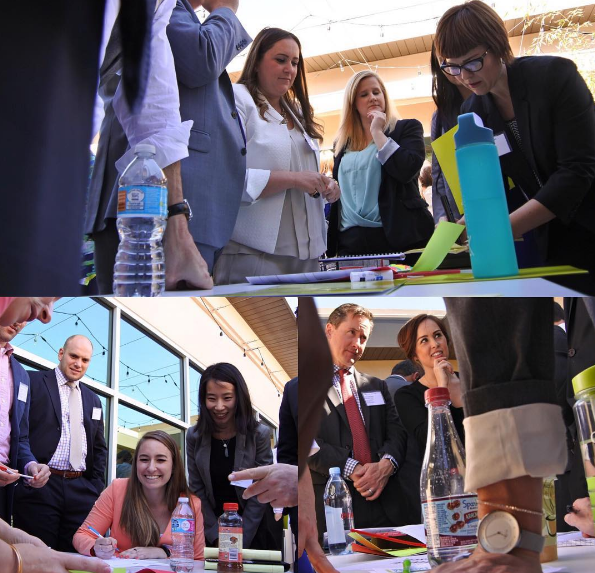
A happy and engaged employee is a productive employee. While everyone has different ideas about what constitutes a productive and proactive office environment, there are a multitude of ingredients that make up a team of focused and hardworking employees. Being more productive at work could be the key when it comes to getting your team on the same page. Consider the following examples of how to make your office environment strong and productive:
Culture. Personality is a very important factor in the hiring process. You may find the “perfect” employee on paper, but if they don’t fit in with the company (and your team’s) culture, everyone is likely to suffer. You can help new employees adapt to your company culture faster by encouraging teambuilding activities. Working together to accomplish a common goal brings people closer.
Lighting. It’s amazing how much work is done when people can see. As funny as that sounds, natural light has been proven to help with productivity, focus and energy. If you have access to a well-lit space, utilize it. Otherwise, invest in some good lamps with adjustable filters and energy saving light bulbs.
Space and decor. Aesthetics are important. A more homey feel (couches, pillows, comfy chairs) can do wonders for an employee’s work ethic and comfort levels, especially when they have space in which to move. Sterile offices make for sterile employees, but an inviting atmosphere makes people want to be working. Focusing on a clean workspace can really help to improve performance overall.
Flexibility. This one may be hard for some, but it’s extremely important to give employees some flexibility in their schedule. This doesn’t mean two-hour lunch breaks or binge watching Netflix at your desk. It means having the time for doctor’s appointments and kid’s recitals, and being able to work from home when the plumber is coming. Work is more enjoyable - and less stressful - when you still have time for everyday life.
Breaks. Productivity is not equal to the amount of hours sitting at one’s desk. In fact, your team is more likely to get burnt out if they aren’t given a minute to step away. Eating lunch at their desk doesn’t mean they are doing more - or better - work. Allow your team to have a few minutes each day to decompress, whether it’s to eat lunch in peace or grab a cup of coffee and take a walk. It’s a great way to re-energize and make good use of their workday.
Team building. A strong and productive team works well together because they like each other. Team outings build camaraderie and strengthen relationships. Anything from bowling night, to pizza parties, or eating lunch together once a month can reignite your team members’ passion for their work.
These are just a few examples of how to make an office environment strong and productive. Yet the common theme is simple: make your office a place where your team enjoys going to each day and you will see an exponential rise in productivity.
What do you think it takes to create an ideal productive working environment? Share with us on Cydcor’s Twitter and follow us @Cydcor.
We are Cydcor, the recognized leader in outsourced sales services. From our humble beginnings as an independent sales company based in Canada to garnering a reputation as the global leader in outsourced sales, Cydcor has come a long way. We’ve done this by having exceptional sales professionals and providing our clients with proven sales and marketing strategies that get results.
Cydcor is the leading provider of outsources sales team worldwide. Learn more about Cydcor by visiting us on Flickr (https://www.flickr.com/photos/cydcor/)
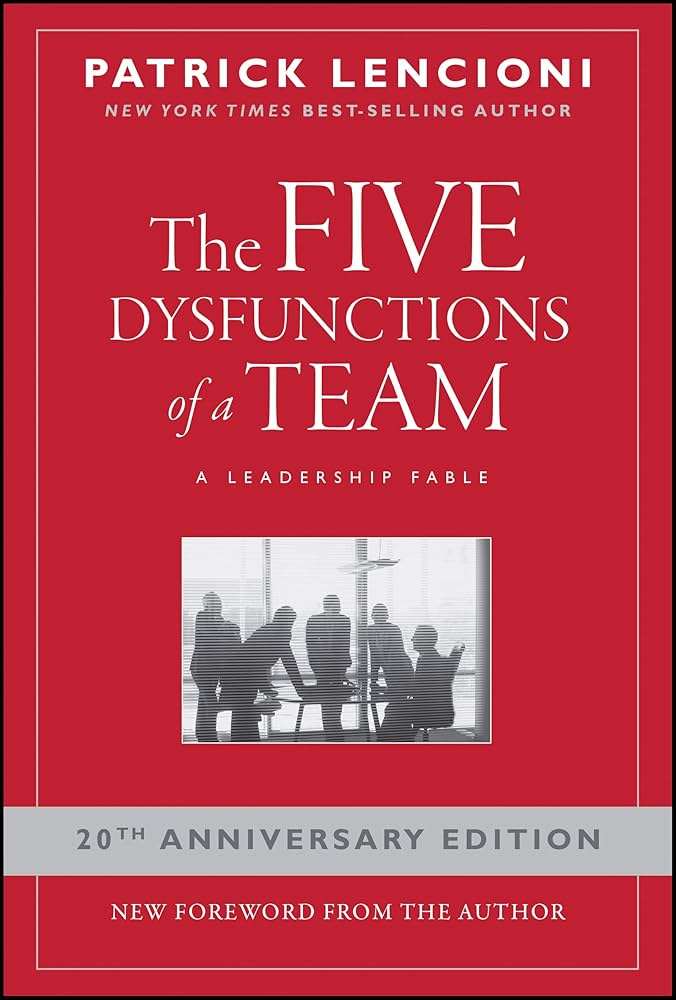
About The Five Dysfunctions of a Team: A Leadership Fable by Patrick Lencioni
The Five Dysfunctions of a Team isn’t your average book of business advice. Author Patrick Lencioni has crafted another excellent leadership fable to go along with his previous bestsellers, The Five Temptations of a CEO and The Four Obsessions of an Extraordinary Executive. In this book, Lencioni focuses his intellectual storytelling on the fascinating and complex world of team building. The Five Dysfunctions of a Team follows Kathryn Petersen, CEO of start-up Decision Tech, and how she handles a difficult leadership crisis: uniting her team when it begins to threaten the integrity of the whole company. Lencioni's gripping corporate tale serves as a timeless reminder that leadership requires as much courage as it does insight. Just as with his other books, Lencioni has written a captivating story with a simple message for all those who strive to be the best leader they can be.
Why Cydcor Reviews recommends this to future leaders:
Anyone who has had difficulty with leading and getting a group of co-workers to work together will find value in this book. The model that Lencioni lays out consists of five tiers that describe the five dysfunctions of a team. These include an absence of trust, a fear of conflict, a lack of commitment, an avoidance of accountability, and inattention to results. These are all dealt with accordingly and can open a leader’s eyes to some good ways to start making a difference. Although this is a fictional account of a leadership situation, it’s still possible to see yourself and your team in this business fable. Lencioni leads readers through the right steps to take and how to move a team from dysfunction to smooth operation. The examples are eye opening and will be useful to compare to your team’s last meeting.
Our favorite part:
The Five Dysfunctions of a Team offers practical advice as well as exercises that are easy to implement in any workplace team. Disagreements occur frequently while collaborating, but a leader needs to keep going no matter the problem to unite everyone. The story told in this book can help the reader visualize typical workplace dysfunctions while offering effective advice on how to overcome them.
The Five Dysfunctions of a Team seeks to identify and alleviate the problems that arise for many work teams. The success of a company depends greatly on how willing its leadership is to face issues head-on.

Learn more about what's happening at Cydcor by keeping up with our latest updates on Instagram.
At Cydcor, we know that becoming an effective leader does not happen overnight. It takes effort to learn and practice crucial leadership skills in order to be efficient. Still, people can point out effective leadership when they see it. There are great leaders who naturally become successful, but there are also certain traits that they share. These are a few characteristics of what it takes to be an effective leader.
Optimism
It’s difficult to lead without believing that one day, you will succeed the way you want to. Leaders must have some sort of optimism to keep their hunger for success alive. People will always follow a person who dreams big and knows that everything they want can one day be achieved. Optimism is a trait of leadership that is constantly overlooked but can be effective when trying to gain the trust of team members. Leaders should always be preparing for the future, while still focusing on the present.
Cydcor is on Facebook! Be sure to follow our page (https://www.facebook.com/CydcorLLC) to keep up with our fundraising event for Operation Smile, Day of Smiles!
Look Out for the Team
Leaders must move and think quickly, but they must also take time to pause and pay close attention to how their employees are doing. As a leader, you can’t prepare yourself to lead more effectively if you don’t know what is really happening with your team members. Always be on the lookout for evidence of their state of mind and what support they need to reach success and fulfillment in their work.
Constant Preparation
If a leader fails, it’s usually due to their lack of preparation. When an opportunity is missed, it’s often because a leader did not plan for themselves or their employees to see and seize it. Preparation requires accountability and is a responsibility with multiple factors. Every leader sees through a different lens – therefore, they should know what the short and long term preparation demands are for their employees and the business to be successful
Self-Assessment
An effective leader should always be giving employees a critique to see if they can find improvements in any areas. By looking at what the team is doing correct and what they need to work on, leaders can better identify with a team. Checking in with ourselves is never a bad idea.
Make Tough Decisions
Without fail, leaders are called on to make choices that impact both their organization and the people they lead. People want to follow a person who weighs all the options. In other words, good leaders make important decisions based on what’s best for the organization -- and they make them confidently. You will have to make a tough call from time-to-time, but with the right amount of sureness and groundwork, anything is possible.

The following is a review by a Cydcor employee of Taking People With You by David Novak:
About Taking People With You:
How to build an inspired and productive team of people is what this book is all about. David Novak, CEO of Yum! Brands learned long ago that you couldn’t lead a great organization of any size without getting people enthusiastic and focused on the mission and success of the company they work for. Novak has proved himself a capable CEO and leader, and he’s also willing to share that information and knowledge with others. He knows that doing this does not create more competition, but rather spreads prosperity and abundance to more people.
Novak has developed a trademarked program, which centers on setting big goals, getting those around you to work together, exceeding your goals, and celebrating the big and small victories. Novak teaches this program around the world, and now he offers it in this book, Taking People With You.
Why Cydcor recommends this to future leaders:
This book is specifically written to speak directly to CEOs, managers, supervisors, and all those in a position of influence over others. Novak speaks to a leader's prime qualities, their personal nature, and their means of connecting with others—for the human connection is a crucial element of finding success. Management books normally call for business analysis; Novak asks you to conduct a critical self-analysis.
Our favorite part:
The instructional structure of this book outlines setting goals, getting to know yourself, planning and following through. Novak is a great writer in his no-nonsense approach to telling you how to be a thoughtful leader. From Mr. Novak's teachings, great and useful information can be extracted, whether you are a one-person show, a medium-sized firm, or a major international conglomerate.
Be sure to follow Cydcor on Instagram @Cydcor to see what we're up to in the office!


Musical leaders are responsive and energetic, always aware of changes in their own industry, adapting accordingly, and knowing what their audience understands and expects from them. There are a great many things one can take away from the stage into an office workplace.
Adapt
An old adage reads, “a smooth sea never made a skilled sailor.” Musicians often have to respond to surprises and adversity, since music like freestyle and jazz is all about how you react and adapt. Making a business run smoothly is always the goal; however, hurdles often can come and disrupt your plans; learning how to acclimate and react swiftly can often save a company.
Support
The best musical artists in the world know how to bring out the very best in their bands and support teams involved in setup and stage presentation. While there are times to rock out as a soloist, always remember to take a step back and let others on your team shine. As a leader, it’s important to understand that if your team did a fantastic presentation or project, see that they rocked out together, and let them know you appreciate their collaboration. Work with your team to encourage creativity in the workplace and showcase examples of solo excellence as well as teamwork.
Check out these 8 Great Work Habits on Cydcor's SlideShare today!
Audience
Musicians often create music first and foremost for themselves, but the ultimate goal is to let it be heard to a larger audience. Knowing the audience is key, especially once musicians become known for a particular musical genre. If they are known for rock ‘n roll, but play a new slower jazz piece in the middle of a concert, their audience might be less than thrilled. Your clients are the same. Know your own audience and the expectations they have for the service you are providing. Always work to provide them with something they want to keep coming back for, whether it be a fantastic product or simply great service.
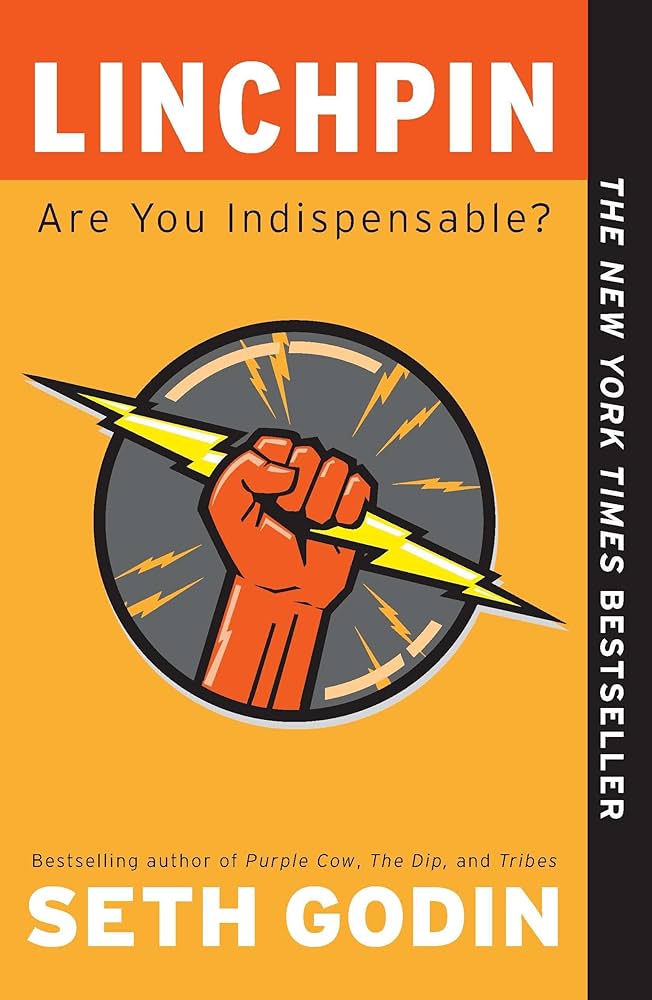
This week, the Cydcor team highlights another Seth Godin treasure, Linchpin. For more Seth Godin wisdom, see our Cydcor review on Permission Marketing.
Description of this book: Linchpin was written by marketing expert Seth Godin, who believes that finding career success today depends on learning how to market one’s self. Linchpins are an upcoming role in the world of tech, start-ups and the age of entrepreneurship. The linchpins are those that come up with new solutions, break the mold, and foster creativity in companies. Linchpin is about learning how to break out of the systemic roles traditionally in the workplace and implement new ideas where you work. Often, the linchpins are the indispensable people in the background, empowering others, but staying out of the spotlight. They often have a less specific role in the company, but rather focus on specific needs as the work scape morphs and changes. Godin believes everyone has something brilliant to offer, and being able to harness that brilliance and bring it to the workplace can equal success and happiness.
Cydcor recommends this book to professionals because: Godin has written many bestselling books on how marketing works and how companies behave, this book is specifically how to manage your career and create success and satisfaction at work. Godin explains that everyone must strive to be a linchpin, to become indispensable, or suffer. The job markets today are focused on efficiency and creativity, so only those making the most impact will get ahead.
Our favorite part: “There are no longer any great jobs where people tell you exactly what to do”. Godin highlights the importance of taking initiative, learning to work autonomously and bridging those gaps between being managed and over-managing. Flexibility and motivation are the new keys to success.
Do you like our reviews? Follow Cydcor on Pinterest or other popular social media platforms for more inspiration and leadership advice.
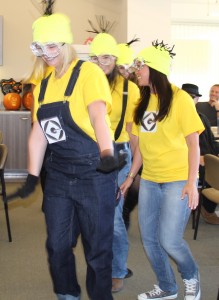
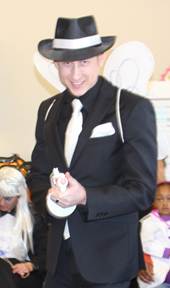
At Cydcor, we work hard. Sales is a difficult career that anyone can succeed at through determination and strong relationship building. That's why it's important as a team to have as much fun as we work! Check out the pictures from our Halloween party below: