Discover practical advice, inspiration, and insights to help you succeed in business and grow both personally and professionally.
Found 0 posts

Leadership development is an important tool to running a successful company. At Cydcor, we like to share motivation and success advice. You can check out the Cydcor Pinterest boards for inspiration if you need it. For now, learn about these charismatic CEOs who are changing the way we do business and leading the world into a new generation.
1. The Showman- Marc Benioff, Salesforce.com. Benioff was voted by readers of The Street as the number one tech CEO of 2013, winning a whopping 54%, compared to Amazon Titan Jeff Bezos with 8%. Benioff has driven the push to cloud computing more than any other leader in the industry, and the success of Salesforce.com has been the payoff. Benioff is one of the few CEOs active on Social Media, and also leads a powerful sales conference called Dreamforce every year, attracting some of the top leaders in the industry.
2. The Bleeding Heart- Howard Schultz, Starbucks. Schultz recently appeared in an interview with Oprah and openly discussed his emotional ups and downs. Schultz has been famous for emotional reactions in the past, and while to some that may seem negative, no one will ever doubt his commitment to his company. After returning as CEO of Starbucks during the economic downturn, Schultz led the company to its biggest profits yet.

3. The Idealist- Blake Mycoskie, TOMS. After encourntering impoverished families around the world, Mycoskie called in every favor he had to start a shoe company that would provide aid to needy families. Solving a problem with an economic solution using his one-for-one model, Mycoskie has become a leader in fashion and social enterprise when he was barely over thirty years old.
Leadership development is part of the company culture at Cydcor. Who is your favorite CEO to follow? Tell us who inspires you!

WESTLAKE VILLAGE, Calif.--Cydcor, the leading provider of in-person sales teams, announced that team members recently donated 114 gifts to children at nearby EARTHS Magnet School. “Being able to give them presents – ones they really wanted – is a great feeling for all of us.”
Cydcor team members regularly volunteer time on a weekly basis to children at the school and wanted to make their holiday season one to remember. The 51 team members each picked a child’s “wish tag” on Cydcor’s Christmas tree and purchased the gift or gift card requested for the individual child.
Last week, several team members personally delivered the gifts to the school, including one who dressed up like Santa Claus. Gifts ranged from clothing and shoes to toys and the gift cards. The children were all between the ages of five and eleven years old.
“Everyone at Cydcor was so excited to help these kids have an awesome holiday,” said Chief Operating Officer Vera Quinn. “Being able to give them presents – ones they really wanted – is a great feeling for all of us.”
In November, Cydcor team members also donated Thanksgiving dinners to the EARTHS families and plans to continue volunteering and giving back for years to come.


It’s very common for a business to set goals to achieve positive results in the beginning of the year. It can be a challenge for businesses to execute goals and stick to the plan. No matter the size or magnitude, the success of the business depends on setting and achieving goals. Be prepared for the New Year by following this advice on how to create and follow through on business goals for the next 12 months. At Cydcor, we put a lot of emphasis on goal setting, including financial and professional development goals.
Find out what’s not working: Could meetings be more productive? Should your potential customer size be larger? Sit down and see what goals you really want to achieve this year. It doesn’t mean finding everything wrong with your business; instead, focus on things that you want to see fixed or created soon.
Make sure goals are achievable: There’s nothing worse than setting a goal and never being able to achieve it. If you are planning on setting a company goal, make sure that it is actually possible to do. Set people up for success, not failure.
Are the goals relevant?: You may want to have the best year of business you’ve ever seen, but if new competitors have opened in your market, this goal may not be relevant to reality. Dream big and aim for the stars but keep one foot on the ground.
Use numbers: By utilizing numbers in the goals you create, you have a measurable way to identify if the goals were achieved. A white board in the office can help as a daily reminder as well. Numbers are an essential part of business and sales, so why not apply them to your goals too?

Apply the right time frame: Company goals could last a years long, weeks long, or even days long. If you’re setting a new goal, make sure you give an ample amount of time that works well with all parties involved. Too much time can have employees stretching out and wasting time, while goals with a short time period may discourage some from attempting to try to achieve it.
Don't forget to follow Cydcor on Facebook and Twitter- @Cydcor


Team member happiness and engagement is a priority at Cydcor (have you seen our Cydcor Harlem Shake video?). As office party experts, we wanted to share some tips to make your office party a success. Planning a holiday office party doesn’t have to be stressful. These suggestions could make your holiday party one of the best ever!
Have food that everyone can enjoy.
It can’t all be sweets. Have food that can accommodate all diets found in the office. Gluten-free or vegan options can add some variety to the typical holiday nourishment. Try this gluten-free Christmas cookie recipe here.
Create a holiday dress theme that will be memorable.
A holiday festivity isn’t complete without a suggested dress code. Be it an ugly sweater party, to dressing up as famous holiday movie characters, the theme of your holiday party can add a new dimension of fun to the typical work gathering. You could even make it holiday-colored formal wear only!
Incorporate community service or charity into the party.
They don’t call it the season of giving for nothing. While collecting money for food and supplies for the party, donate a portion toward you’re a holiday charity. Not only will you be helping a good cause, but you will also be promoting a theme of the holiday season! Even better, have the party after a community service event that will aid those who won’t have a place to stay for the holidays. At Cydcor, we try to incorporate our fundraising partnership with Operation Smile into many of our events and activities.
Keep the holiday jams coming (but also be negotiable).
Christmas music on repeat may be enjoyable to some but there are also people who aren’t big fans. Mix it up with a few classic party songs as well as some songs to sing along to, like Frosty the Snowman or Baby, It’s Cold Outside. You could even have an employee perform if there happens to be a musician in the office.
Decorate the office with attractive adornments.
It can be tough to get people into the holiday mood without some merry decorations. From fresh wreaths to ribbon garland, there really is no ceiling when it comes to making your party as festive as possible.
Keep everyone amused with fun activities.
There’s always the classic Secret Santa or White Elephant. People love stations for decorating Christmas cookies or building gingerbread houses. A raffle with prizes is a great holiday staple.

Many people are natural born salesmen. Building relationships and convincing people of their side of story is something comes easily to them. At Cydcor, we are happy to nurture young talented sales people with a gift for gab and laser focus abilities. However, some great sales people learn their skills from the college experience, for those looking to gain a broader perspective and refine the necessary skills. Here a few ways you can use your college classes to create a successful sales career.
Psychology teaches you about the human mind. You can learn how people will react to the things you say, how to gain trust, and what makes people want to buy your product or services. You can focus your abilities to read people into convincing them to come to your side.
Business will give you a broad overview of management, operations, and communications. Business majors are well rounded and have a solid understanding of how to identify needs and solve problems.
Finance or accounting degrees are useful for understanding numbers and efficiency. Finance majors will still need to focus on people skills but will understand what needs to get done in order to make the business profitable.
Communications is a great modern degree in order to study means and methods of communication. These skills will create savvy social media and email marketers as well as develop a solid understanding of how to get a message across. Communications majors can tap into what is important and popular, and put their particular spin on the situation.
While theater or drama may sound like a strange major for business, some of the best sales skills come from being able to act confident and knowledgeable even in situations where it is not truly the case. Actors know how to be charming and make friends with anyone, and can gain trust easily.
What do you think is helpful for a salesperson to study in college? Learn more about the skills necessary to be a sales rock star on Cydcor’s career page.
The job market is competitive today. Employers often get dozens of applicants for positions. Imagine being a simple line in a queue of applications, with a similar resume to ten other qualified candidates. Sometimes, it takes the extra effort to get called in for an interview. Here some ideas from the Cydcor sales blog to make an impression that will get you where you want to go when job hunting.
What are some great things you’ve done to get noticed in the past?
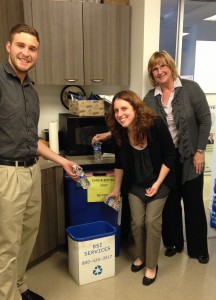
We know little things can add up to a big difference. In continuing our fundraising work for Operation Smile, we have been collecting recyclables and donating the proceeds!
We placed recycling containers designated especially for Operation Smile fundraising around the office. Once they are filled, a Cydcor team member volunteer brings the items to the recycling center to collect the refund.
We have already raised enough for one Smile (each one is $240) and are well on our way to another – our current tally is almost $380!
Since partnering with Operation Smile in 2010, Cydcor and volunteers from its network of independently-owned sales companies have raised enough to fund two medical missions, and are well on the way to a third! The missions take place in areas of the world with limited medical care; a team of professionals provide cleft palate surgeries to those who would have no way of obtaining the surgery otherwise.
We’re really excited about each and every dollar we are able to raise and contribute. Operation Smile is our passion. Recycling is so easy to do and can really add up – and make a difference.
Cydcor is happy and proud of its efforts to give back to the communities that support our business. You can donate to the Cydcor Operation Smile page today and make a difference in a child’s life.
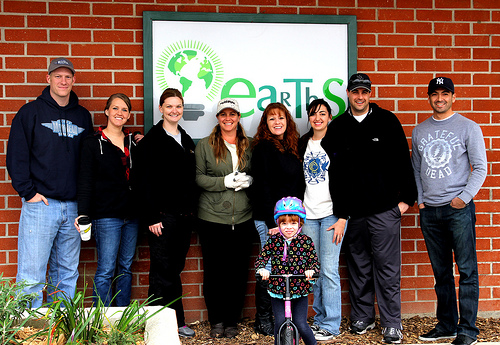
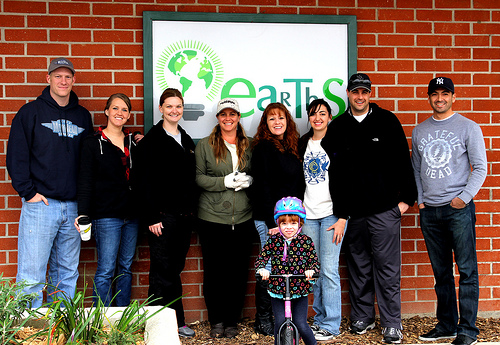
Cydcor began a project working with EARTHS magnet school this year to mentor and tutor students for the elementary school.
Each day of the week, two different team members from Cydcor volunteer for an hour in one of these classrooms, working with children and teachers on a variety of projects and learning sessions.
Last year, Cydcor team members created literacy kits for faculty, which contained games and activities for students to encourage reading comprehension. Volunteers also assisted the school in a gardening project – in line with the earth science focus of the magnet school.
“Cydcor volunteers are a true gift to our students! Our kindergarten children look forward to interacting with the Cydcor staff, and their presence allows students to receive individual and small group time,” said Jennifer Boone, principal of EARTHS. “The time and impact mentors have on our children is priceless. Cydcor is a true example of a business that gives back to the community.”
“Our goal is to support EARTHS by mentoring the kids, helping them cultivate confidence in their own skills and abilities,” said Cydcor Chief Operating Officer Vera Quinn. “Gaining the academic skills to succeed is just one part. Mentorship is so important to the overall development of children, and we really want to make a difference in their lives.”
To see more of Cydcor's work at the EARTHS magnet school, head over to the Cydcor Flickr page.
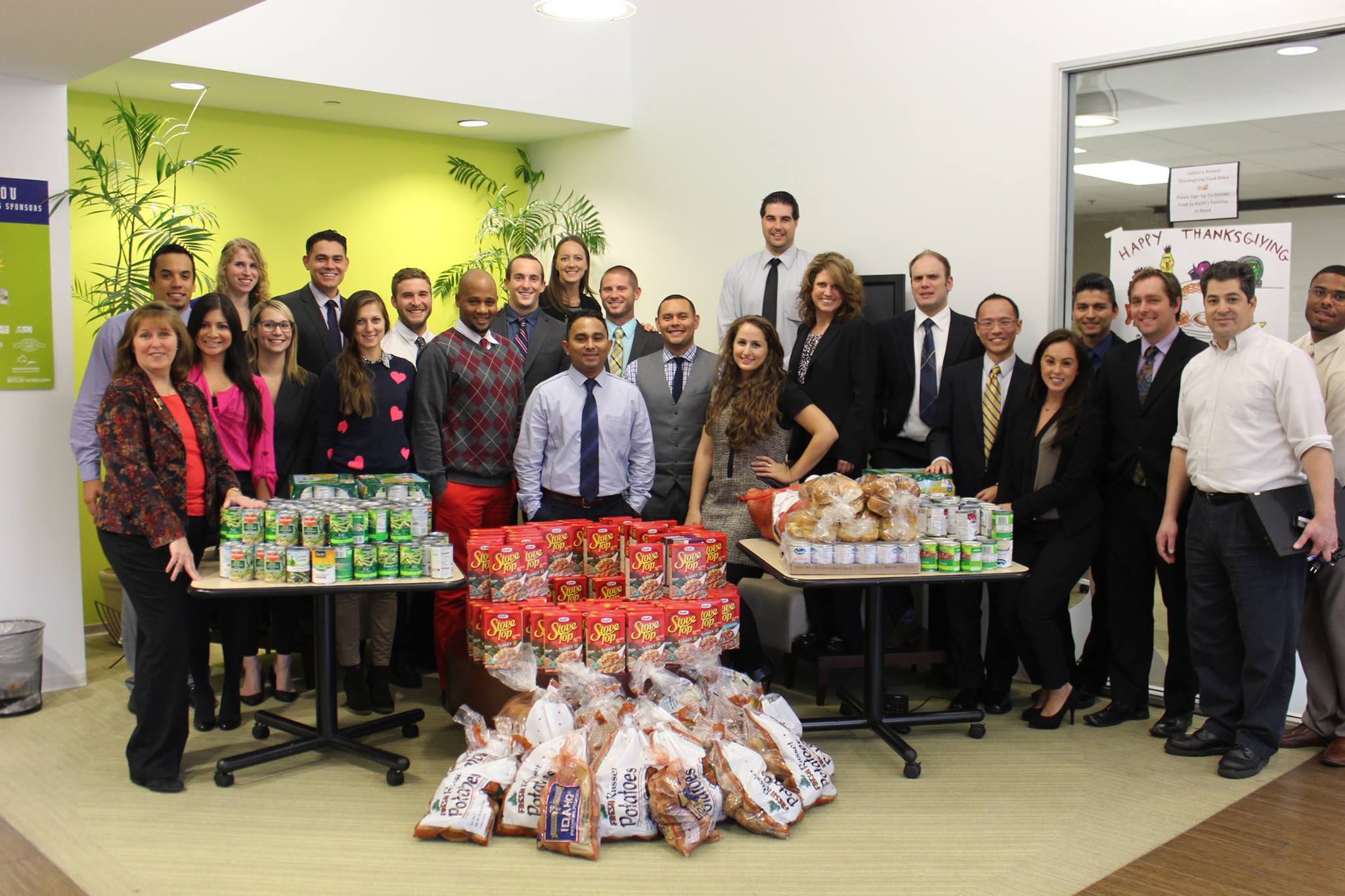
Cydcor has renewed its commitment to EARTHS Magnet School and is continuing to send team member volunteers to the Environmental Academy of Research Technology and Earth Sciences (EARTHS) Magnet School to work with children in grades K/1 and K/2, further demonstrating their commitment to their community.
Each day of the week, two different team members from Cydcor volunteer an hour in one of these classrooms, working with children and teachers on a variety of projects and learning sessions.
Last year, Cydcor team members created literacy kits for faculty, which contained games and activities for students to encourage reading comprehension. Volunteers also assisted the school in a gardening project – in line with the earth science focus of the magnet school.
“Cydcor volunteers are a true gift to our students! Our kindergarten children look forward to interacting with the Cydcor staff, and their presence allows students to receive individual and small group time,” said Jennifer Boone, principal of EARTHS. “The time and impact mentors have on our children is priceless. Cydcor is a true example of a business that gives back to the community.”
“Our goal is to support EARTHS by mentoring the kids, helping them cultivate confidence in their own skills and abilities,” said Cydcor Chief Operating Officer Vera Quinn. “Gaining the academic skills to succeed is just one part. Mentorship is so important to the overall development of children, and we really want to make a difference in their lives.”
This year, Cydcor will also be hosting their annual Thanksgiving Canned Food Drive for the families in need at EARTHS. Last year, they were able to help 100 families; this year, they plan to make a difference in 115 families’ lives. Additionally, over the next year, Cydcor team members will continue volunteering time and their role as a community partner with the school.
Want to learn more? Check out Cydcor on Facebook and Twitter.
About Cydcor
Cydcor is the leading provider of outsourced, face-to-face Cydcor sales teams to a diverse client base of companies in a wide range of industries, including telecommunications, office products, retail, energy, and financial services. Serving Fortune 500 and emerging market clients in the business-to-business, residential, and retail channels through in-store marketing initiatives, Cydcor works with a network of more than 350 independently-owned corporate licensee (ICL) Cydcor sales offices, providing clients access to more than 4,300 sales professionals. The privately-held company is based in Westlake Village, California. For more information about Cydcor, go to www.cydcor.com.
Cydcor
Gail Michalak, 805-277-5500
There is nothing like a perfect song to get pumped up for the morning. At Cydcor, we know working in sales takes energy and motivation. Here is a list of some of our favorite songs to get you ready for work.
What are your favorite songs to fire you up for work?

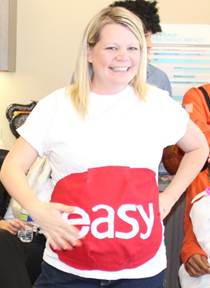
At Cydcor, we work hard. Sales is a difficult career that anyone can succeed at through determination and strong relationship building. That's why it's important as a team to have as much fun as we work! Check out the pictures from our Halloween party below: