
Found 0 posts

About In Search of Excellence: Lessons from America’s Best-Run Companies by Thomas J. Peters and Robert H. Waterman, Jr.
First published in 1982, In Search of Excellence is one of the best selling business books of all time, selling nearly 3 millions copies in its first four years. The book continues to be influential for business professionals and is considered a classic. In this book, Peters and Waterman, Jr. explore the science and art used by the management of some of the most successful companies of the 1980s. By examining how companies such as Boeing and The Walt Disney Co. were able to be innovative and excel, this book puts strategies that work for management in the forefront.
Why Cydcor Reviews recommends this to future leaders:
The book is an excellent recommendation for anyone in business management. Many people have called In Search of Excellence the most influential business book in the last 20 years. The bulk of the book focuses on 43 companies thought to be excellent at the time. Although this book was written more than thirty years ago, many of the points Peters and Waterman, Jr. make about excellent companies make are still relevant. Great companies struggle to remain on top over an extended period of time, but the excellent ones succeed. This is a good foundational read to build skills based on what it takes to be a company of excellence.
Our favorite part:
This book lays out the eight characteristics of excellent companies that readers can follow along with. These characteristics include a bias for action, close to the customer, autonomy and entrepreneurship, productivity through people, hands-on and values driven, stick to the knitting, simple form and lean staff, and simultaneous loose-tight properties. These eight characteristics are all still relevant today, and many companies still have difficulty implementing them. After the book was such a success, Peters went on to become a star in the field of management entertaining. This speaks volumes to how much of an effect this book had on subsequent business-oriented books.

Most people will find themselves from time-to-time not performing up to their potential. It’s usually one or two things holding them back, and with the right coaching and mentoring, they can correct their flaws. When finding these types of toxic employee traits, it’s important to realize they can be fixed. Office leaders must work with their team to get rid of these flaws and improve on overall performance. A team that focuses on ridding themselves of the following toxic employee traits will rapidly find success.
Frequent Complaining
Everyone needs a few moments to grumble about something they aren’t happy with, but there are always people who don’t do anything about it. Leaders must work with these people to make improvements on their attitudes. By eliminating frequent complaining, a team can work more efficient and not sweat the small stuff.
Excuse Making
A professional always owns up to their mistakes and is willing to work toward fixing them. An employee who makes excuses on a daily basis does not demonstrate much responsibility. Make it clear that excuses will not be tolerated. Taking responsibility for actions is key to maturing into a true leader.
Gossiping
A strong team requires trust and faith in each other, and gossiping goes against both of these things. A team with the strongest bond possible will always trump anyone else. This may require extra time on team building exercises, as well as getting to know a team outside of work. When everyone can trust each other, there’s no point in spreading rumors.
Passivity
People who settle for less have no place on an all-star team. People who take initiative and aren’t afraid to be leaders will find themselves evolving for the better. Stressing the idea that everyone’s future is in their own hands can give a team that final push they’ve been looking for.
Non-Team Players
Everyone can work well solo, but they need to be able to collaborate with a team, too. When someone has an attitude that screams “my way or the highway,” it’s tough for others to cooperate. Let team members come up with solutions together, and reward those who are willing to work with others to get the job done.
Follow Cydcor on Facebook to keep up with the latest happenings of the recognized outsourced sales leader.
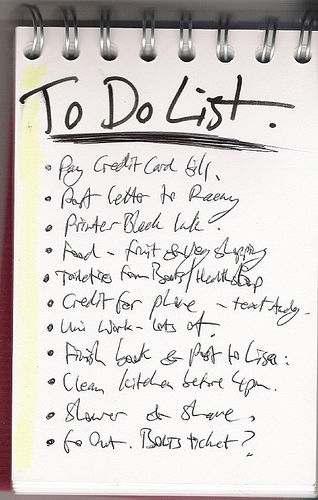
Are you finding yourself with a lot less time on your hands than usual? Life can get hectic, and it’s easy for someone’s schedule to get too full. Here are a few simple tips to do today that can help anyone get more things done!
Stick To a To-Do List
Every morning, create a to-do list with the things that MUST be done today. Even if there are only a couple of things on the list, it’s always nice to be able to cross something off.
Wake Up Earlier
How early do you wake up before work? If possible, try and set your alarm at least 30 minutes earlier than usual. Those 30 minutes can be used for things such as exercise, relaxing hobbies, or even starting on work earlier than usual.
“Eat the Frog”
One of the most famous phrases used for procrastinators, “eat the frog” means to finish the most dreadful task before anything else. It will make the day much easier, as well as give you motivation knowing that you accomplished the hardest thing for the day.
Clean Things Up
Is your workspace as tidy as it can be? Cleaning and putting things away can replace chaos with order. This can also lead to fewer distractions, and maybe even a few positive comments from co-workers!
The Don’t Do List
So we’ve now set up our to-do list, but have you ever tried a don’t-do list? This is a list of things you never want to do during the day. Some examples can include procrastinating, checking social media, or even day dreaming too much. Write them down, and be sure to avoid committing the crimes.
Stay Healthy
Exercise has been proven to be a great way to relax. It also is an outlet to get any frustrations out. For those that have no interest in intense workouts, try out some yoga!
Meditate
Even 10 minutes away from your desk can help you clear your head. Trying meditation is one of the most beneficial things you can do; plus, it can also help to make better decisions when you can think plainly.
Get Off the Grid
When we participate in social media or text with others, it can become too easy to get distracted. Put your phone away for thirty minutes and bust out some work. You’ll be thankful that you’re in the zone without anyone bothering you.
Take a Break
Working for eight hours straight with no breaks is not healthy, and can lead to more stress and anxiety. Don’t feel guilty for taking a break from time to time. Just make sure you’re working hard enough to deserve it!
Read More
Reading can make you smarter and also more informed. It’s also a great getaway from the business of life. Go outside and read a chapter of a book that interests you. It’s a great way to accomplish a small goal while getting intellectual benefits.
What are your favorite ways to be more productive and get more things done? Let us know in the comments!


The overall consensus when meeting someone new is that you have thirty seconds to make a good impression. From the handshake to your following conversation, it can feel like a lot of pressure to nail such an interaction on the first try. But what can you do if you make a poor first impression? Whether you forget their name or a joke falls flat, top networkers say there are ways to bounce back.
“It is much easier to turn a good first impression into a bad overall impression than it is to turn a bad first impression into a good one,” said Anna Musson, an etiquette expert. When we meet someone new, our sensitivity and guard levels go up. "We like to think that we're right and once we've made up our mind about a person we need to be persuaded otherwise.”
Sometimes our insecurities get the best of us, and it’s easy to assume that others might think the worst of you. However, what we imagine is often far worse than reality. Own up to your feelings, and don’t make assumptions. Time is of the essence when it comes to damage control, but take the time to formulate your next interaction to address the issue.
Acknowledging where the breakdown might have stemmed from –-a joke or a curse word, for example— can be cleared with a simple, “I apologize for how I behaved and I realize I might have offended you.” Don’t over-apologize; so keep it polite and concise. Don’t put the other person in the uncomfortable position of having to reassure you.
For more information about Cydcor, check out our photos on Flickr, which have been updates with images from our recent Operation Smile Guatemala mission trip!
Be sincere, and own up to any breakdown during an impression without blaming others or circumstances. Depending on the situation, self-deprecating humor can really help you. Be mindful that it’s only directed at yourself, and does not make others uncomfortable. This can provide an opening for you to recover, but remember that too much humor can have the same effect as over-apologizing.
Every impression you create is a learning experience and can help you improve your body language and communication skills. Overcoming a poor first impression requires total ownership of your behavior and adds to your confidence and ability to learn from such mistakes. It’s also an opportunity for you to be mindful of appropriate interactions, and to monitor your behavior to make the best impressions possible in the future.