
Found 0 posts

The holiday season is a perfect time to reflect on what really matters and strengthen bonds with not only family and friends, but also the people with whom you work closely every day. In the spirit of people helping people, why not celebrate the season by giving back to your community and building camaraderie on your team? Forgoing the office holiday party or secret Santa gift exchange to spend the time helping others instead, is a great way to bring your team together, promote problem solving, and foster team bonding. Nothing is more energizing and motivating than uniting behind a worthy cause, collaborating on solutions, and making a positive difference — together.
Here are five rewarding holiday team building activities to help your team give back, get closer, and have fun!
1. Celebrate the holidays with seniors.
According to the Institute for Family Studies, more than 60 percent of seniors in nursing homes don’t have visitors and experience loneliness that can intensify during the holidays. Bring a sense of family and friendship to seniors who may be alone this season by volunteering at a local nursing home or hosting a holiday event for residents. Many senior care facilities also organize and plan activities for the holidays, inviting families, volunteers and the community to share food, fun and festivities.
2. Bring cheer to hospitalized kids with heartfelt holiday cards.
Many children battling serious illnesses remain in hospital care for a long time, making this time of year especially difficult for these young patients and their families. For an inspiring team building activity, plan and organize holiday card and care package donations for your local children’s hospital, or send handmade cards with an uplifting message of hope to brighten their rooms and their spirits while they recover. Set up a design station in the company break room where team members can create and decorate their customized holiday greetings.
3. Give a gift to a child in need.
Spread holiday joy to children in vulnerable communities through the gift of a new toy. The Marine Toys for Tots Foundation is one of the best-known charities that has been collecting and distributing toys to America’s disadvantaged children since 1947. Instead of a holiday party, build a holiday themed team building activity around a Toys for Tots event at your office, become a toy drop-off site, or volunteer at a local warehouse. Connect with your local Toys for Tots program or another organization in your community to donate holiday gifts to children in need. Don’t forget to think about the larger, world-wide community as well. Consider running a toy drive event for one of the thousands of shelters or orphanages supporting children in need around the globe.
4. Volunteer together for a local cause.
Use a service like VolunteerMatch to find great ideas for local organizations and causes your team can support as part of your next holiday team building activity. Whether you volunteer at a local food bank to serve holiday meals, donate time and goods to a homeless shelter, or support an organization like Baby2Baby to provide basic necessities to children living in poverty — giving back as a team creates opportunities to bond with each other and make a real impact on your community.
5. Lend a hand to a local animal shelter.
Don’t forget to show our furry friends some love during the holidays. Give back to a local animal shelter or a service like Pets of the Homeless by hosting a donation drive to collect much-needed pet food and supplies. To take your support to the next level, partner with a shelter or rescue organization to organize a local pet adoption event in your community. Your team can also spend time volunteering together at a local shelter to help orphan pets find their forever home this holiday season.
Whether you stage a food drive, volunteer with the local fire department, help rebuild a local small business after a disaster or participate in any of other community activities on this list, working together for a greater purpose is at the heart of building a strong corporate culture. Finding meaningful ways to give back during the holidays promotes team building by boosting engagement, fostering collaboration and rallying people around a common cause. It also brings our culture and values to life by demonstrating our dedication to serving others and making a positive difference in the communities where we live and work.

By Dwight Coates, Chief Information Officer | Cydcor
Building a department’s strategy, holding meetings, and orchestrating the delivery of technology to our business are not the only ways people can build leadership skills. In fact, one of the most effective ways for team members to learn critical leadership skills is by helping others. There is a myriad of benefits to volunteering. Volunteering takes team members out of their everyday routines and out of the office environment. It shakes up typical work groups, team structure, and processes and it challenges team members to think differently, look to each other for input and guidance, and unite behind a shared purpose. While volunteering, team members aren’t focused on getting ahead; they are focused on completing tasks, overcoming obstacles, and accomplishing goals—which is exactly why community service projects are such powerful teaching experiences.
1.Volunteers Connect with the Whys of Life: While serving others or working on behalf of the environment, volunteering can remind team members of their own values and help them reflect on the things that are most important to them. This process helps build more empathetic future leaders, and encourages team members to engage their hearts, not just their minds, in their work. It also helps team members see the bigger picture, to realize that thier work can have an impact far beyond any single project.
2. Enables Networking: Volunteering can have an equalizing effect, mixing high-level executives with employees fresh out of college. These volunteer activities give employees the opportunity to break out of their typical work circles and meet people from whom they may be able to learn valuable leadership skills or who may be able to offer support to help them grow their careers. While volunteering, team members often form lasting friendships and partnerships.
3. Teaches the Importance of Having a Vision: When teams volunteer, they unite behind a shared vision and commit, as a team, to shared goals. Because the stakes are often so high, it is easy to create alignment within the team, and team members can see how that level of alignment can pay off in the form of rapid results. When people band together behind ideas and trust in a single vision, it is astounding how much they can accomplish, and this experience can translate back to how a team works together on behalf of company goals as well.
4.Volunteer Work Energizes: When employees are stressed, doing work that benefits others, the community, or the planet releases endorphins and lifts spirits better than any sports game or team wine night. Volunteering reinvigorates overworked employees, reignites their passion for their work, repairs bonds between team members, and makes them more efficient and productive by challenging them to solve new kinds of problems and follow different processes.
5.Trains Great Mentors: As volunteers, team members benefit by offering guidance and support to each other in different ways than they might as part of their everyday role.Volunteer work gives team members a voice who may not always have one, and allows them to step up and show leadership skills and benefits they can offer the team that may not be as easy to recognize while at the office.
6.Exposes Employees to Other Cultures and Other Ways of Working: While volunteering, teams may have to follow new systems or processes than they do as part of their daily work, and this helps to challenge their thinking and adaptability. Team members are sometimes also asked to work with people who come from different countries, cultures, and backgrounds, and this helps team members learn new skills and improve their abilities to bridge communication gaps and relate to others regardless of differences.
7. Fosters Collaboration: Volunteering encourages partnerships between those who may not normally work together. While participating in philanthropy projects with my teams, I often intentionally assign employees to tasks that force them to work alongside team members they’re not used to working with to help bridge those communication gaps and force employees to break through barriers to find solutions together.
Besides the leadership skills volunteering imparts, spending time helping others can change the way team members feel about their work. Employees want to work for organizations that stand for something, and showing a dedication to service may help to improve employees’ outlook on the company as a whole, which may support team member retention. An additional benefit of volunteering includes strengthened bonds between team members, helping them to function better as a team and produce better results. Community service and philanthropy, beyond their clear benefit to the community, are invaluable team member development experiences that no department head should overlook as you strive to help your people be their best.

Dwight Coates, Chief Information Officer, Cydcor
Dwight Coates is the technology driver for Cydcor’s customer relationship management solutions. With more than two decades of leadership experience, Dwight has had the opportunity to see, first-hand the impact community service activities can have on IT and other professional teams as they work together to achieve outstanding results.


We are a people helping people business. In the fast-paced world of sales, marketing, and entrepreneurship, we know that we succeed when our people do. They are the future of our business, and that’s why every aspect of our workplace culture is designed to help people succeed and achieve their goals. We achieve this by offering unique opportunities such as professional development trainings and conferences, giving back to local and global communities, and much more. Are you ready to write your own story? Learn more about our employee culture and why Cydcor is the right fit for you!
We know that growing your career takes learning new skills, overcoming obstacles, and taking challenges head on. That’s why Cydcor has an open-door policy, so our team members have face-to-face access to leaders across the company who are invested in helping them succeed. Our people-focused culture encourages open communication and collaboration; not only to share ideas and perspectives about business goals, but also to support each other. Cydcor is not a bureaucracy; our team members collaborate—across multiple levels—to solve business challenges and inspire each other to succeed because everyone has an important role to play.
In the spirit of people helping people, our culture includes a dedication to giving back. Globally, Cydcor volunteers time and talent, and raises funds for Operation Smile, which provides children in developing nations free, life-changing cleft lip and palate surgeries. Locally, Cydcor provides team members with paid volunteer hours and partners with local organizations to improve the communities in which we work and live. We do this with a sense of social responsibility, because we value making positive impacts that are bigger than ourselves. Just as our success as a company is strengthened by the success of our people, we as a community grow stronger when members of the community feel supported and free to thrive.
With over 25 years of sales and customer acquisition experience, we understand the effort it takes to see goals through because everyone, from entry-level team members to senior leadership, has a gusto for getting results. Cydcor fosters a workplace culture where dedication and hard work are appreciated and rewarded, and we celebrate team members who aggressively pursue where they’ll be tomorrow by impacting what they do today. At Cydcor, we don’t give up, and we don’t make excuses. We see it through to the goal line, because we stand by our commitments.
Our workplace culture grows unstoppable leaders, because at Cydcor, we build on team members strengths and provide them with the training and support they need to overcome weaknesses. We believe in maintaining a student mentality at all times and that learning should be an ongoing process for everyone from the entry level to the C-suite.
We include integrity in our workplace culture because it’s a word we live by. Integrity means knowing what is right and having the guts to do it. At Cydcor, we do what is right, not what is easy, and when we say we are going to do something, we do it well. Results matter, but how those results were attained matters just as much.
Cydcor aggressively seeks to improve today by creating new opportunities for a better tomorrow. We know the best solutions to business problems are found with the team members who tackle them, and we’re not afraid to challenge our assumptions and look for new approaches. So we work together to embrace obstacles and relentlessly push through them to bring innovative solutions to life for our teams and clients.
Cydcor thrives because of the high value we place on our team members. Cydcor culture is one that provides an opportunity to believe in each other as well as our shared goals. It is a place where we believe that hard work, collaboration, and dedication can produce remarkable results. Team members grow professionally, give back to the community, and flex their people skills, while knowing that they belong to an organization that is committed to their personal success as well as that of the company. For more information, contact us today.

People seek ways to make differences in their community – even at work. They want to work for companies that make a positive impact. Providing charity and volunteering opportunities to team members benefits employers as well by boosting employee engagement. Companies that offer volunteering experience are able to recruit top talent, retain employees longer, and create an environment of collaboration in the work place.
Company sponsored corporate philanthropy and corporate giving programs also offer benefits to the employees themselves. These volunteering opportunities help employees master new skills, prepare to take on greater responsibility, and contribute to the community beyond the office walls. By committing to a cause, companies can provide valuable services to the community while strengthening and uniting their workforce.
Here are seven valuable lessons employees learn from community service:
Service projects are growth opportunities for employees, because they teach valuable lessons and skills employees can apply to their daily work. Volunteer activities unite teams around causes that are important to them and the community. Employer-sponsored volunteer work helps assure them that the work they do serves a greater purpose. Committing to a cause by donating money or time simultaneously benefits communities, companies, and the employees who work there. Companies who sponsor volunteer opportunities also boost their bottom line by building a workforce that is building new skills, happier, and more engaged.

Management and leadership are two sides of the same coin, and both are necessary for a business to succeed. Learning the difference between management and leadership is important for developing effective management skills.
Great leadership is about inspiring enthusiasm and drive, while great management is about building highly efficient teams that produce impressive results. Managers are experts at getting things done and meeting targets and deadlines; leaders know how to evolve people and organizations and help them meet their potential. Each is a unique discipline that helps teams meet their short- and long-term goals, while also fostering commitment to a shared vision and outside the box thinking.
Management skills are concerned with assigning tasks, committing to deadlines, and creating systems, while leadership is focused on defining a purpose and uniting individuals behind big ideas. Managers ensure teams meet their deadlines and deliver what’s expected of them, while leaders focus on the future and how teams might prepare for challenges on the horizon. Management is about limiting risk, while leadership encourages bold action. Leadership is primarily about engagement, while management has more to do with execution. Management focuses on performance, while leadership focuses on development. Managers develop processes and create smooth operations, while leaders build relationships, encourage communication, and build trust. The most successful businesses are built with an ideal balance of management skills and leadership skills.
Scenario 1: Suzy Business Owner has promised a new client 2,000 flyers by the end of the month, but she recently lost two employees, and she knows it’s going to be a stretch. She creates a workflow document that helps remaining team members understand when they must complete their portion of the project, and she meets with each team member one-on-one to train them on the new system. By following the workflow correctly, the team is able to meet their deadline.
Is this an example of management or leadership?
Answer: Management
Suzy is faced with a short-term business challenge, and by managing her overstretched team correctly, she’s able to help them successfully achieve their goal.
On the other hand…
Suzy should be careful. Her team is being pushed beyond its limits. To continue her team’s successful streak, Suzy must also lead. She has to remind team members that accepting these kinds of challenges can help them transform the organization, leading to a more successful future for everyone involved.
Scenario 2:
Jim Entrepreneur is hoping to push his company to become the leader in its industry within the next five years. He knows it’s possible if everyone gets on board. He calls a team meeting where he presents his long-term vision and asks team members to imagine what it will feel like to someday be the best of the best. He hands out paper and crayons and asks everyone to draw a picture of one thing the company can start doing differently to help towards its goals. The team eagerly participates and many turn in more than one idea.
Is this an example of management or leadership?
Answer: Leadership
While Jim’s meeting may not produce any tangible results immediately, it serves to unite the team and get everyone excited about the company’s potential. His brainstorm encourages creativity, and it reminds each team member that his or her ideas matter. The meeting also helps inspire people to focus on the big picture rather than just short-term results.
On the other hand…
Jim has a talent for getting his team fired up, but this effect could fade if his team members start to notice that he’s all talk and no action. Jim will need to use his management skills to prove that he can translate ideas into tangible business systems.
Scenario 3:
Eric the Executive grows concerned when the company does not hit its goals for the quarter. He schedules one-on-one meetings with each member of his team to investigate the problem. One team member, who has struggled to meet his deadlines, says he’s been having trouble with the company’s current software, and he has been leaving work 10 minutes early every day to take a training class on another software he was hoping to pitch as a replacement. Eric tells the team member he’s sorry to hear the current software is challenging, but he asks the employee to consider dropping the class to allow him the extra time needed to finish his daily tasks. The employee agrees to focus on his work.
Is this an example of management or leadership?
Answer: Management
Eric is doing a great job using his management skills to monitor the bottom line and ensure his company is meeting its quarterly goals. He understands that every team member must be contributing 100 percent of what is expected of them if the company hopes to produce the results it has promised.
On the other hand…
While Eric has solved the problem in the short term, he may be missing longer term opportunities to help the company operate more efficiently. If he had found a way to help the team member stay in the class, Eric would have provided the employee with a chance to develop himself while also exploring a new software solution which might improve company operations far into the future.
Scenario 4:
Brenda the Boss has discovered that her team’s projects have consistently come in over budget, and the executive team has suggested that if Brenda can’t curb spending, they may have to reduce her department’s budget for next quarter. Brenda can think of a few ways she could reduce spending, but instead of implementing those ideas automatically, she decides to throw the problem to her team, asking them to brainstorm some solutions to cut costs.
Is this an example of management or leadership?
Answer: Leadership
By empowering her team to find solutions, Brenda encourages them to think outside the box and demonstrates confidence in their abilities to problem solve. She also shows that her priority is not implementing her ideas, but rather, finding the solutions that are best for the team.
On the other hand…
Brenda will still need to make sure the solutions her team comes up with will deliver as promised. If they cannot reach their cost cutting goals, the whole team will suffer under a slashed budget, so Brenda may have to nix more creative ideas if they don’t seem likely to reach the goal.
Every business needs both great management and bold leadership in order to achieve its goals. Vision without action is ineffectual, and efficiency without a purpose is a recipe for maintaining the status quo. Managers help businesses function like well-oiled machines, while leaders help organizations evolve and take giant leaps forward. Innovative companies can count on their managers to work out the kinks, lower costs, and increase volume, while well-managed companies benefit from the creativity, passion, and unity leaders inspire. Whether it’s achieved by one executive or a team of one hundred, the most successful companies will be those who recognize the difference between management and leadership see the two as complementary and inseparable parts of any thriving business.

Corporate culture comprises some of the hardest to define aspects of your business: vision, values, philosophies, leadership, language, norms, beliefs, habits, and more. Because defining corporate culture is so challenging, though, many business owners overlook it altogether. Corporate culture exists, however, whether a company’s leadership actively takes a part in creating it or not. Business leaders who do not help shape their organization’s corporate culture run the risk of letting their businesses lose control of such an important facet.
Creating a vibrant, easy-to-understand corporate culture can help organizations attract and keep top talent. It is critical to employee engagement and retention, and it can have an impact their happiness and satisfaction in the workplace. Creating a thriving corporate culture can also affect performance by instilling values relating to work ethic or by the way it shapes management styles. Culture can also influence the way your company is viewed by its competitors and industry.
It’s All About Authenticity: Defining corporate culture is valuable, but the definition must fit your unique company and its values. Don’t base your idea of culture on what competitors are doing, and don’t try to force your company culture to fit within a narrow definition based solely on what you’d like the company to be. Instead, take an honest assessment of your existing corporate culture, and define specific adjustments you’d like to make over time.
Corporate culture is something that permeates every aspect of a business, and changing it means changing employees’ feelings about the business, their understanding of what is expected of them, and a shared sense of the things that matter most to the business. Simply slapping a new label on your corporate culture won’t do much to change those deeply ingrained ideas. Shifting the perception of what your business stands for will take plenty of time, planning, cooperation, communication, and demonstrating that the company’s spoken values are much more than mere words.
Clarify Purpose: Start simply by defining your organization’s purpose. Then, ensure all employees and stakeholders understand that purpose, have bought into it, and are united toward fulfilling it. A clear definition of your corporate culture is pertinent to how effective it is.
Make Culture Part of Your Communications: Build a shared cultural vocabulary by reinforcing company purpose, vision, and values in all weekly and daily communications. Creating corporate culture means keeping it in mind when you set goals, announce achievements, plan events, and celebrate successes. Take advantage of company meetings as opportunities to reiterate core philosophies and unite the team. Weave culture into the visual design and layout of your workspace, as well. Prove your company’s stated values are more than just lip-service. For example, make sure your “green” business offers employees access to plenty of recycling bins, and avoid filling your business that touts “creativity and outside-the-box thinking,” with small cubicles, which literally box employees in.
Lead by Example: Call on your executive team to help define corporate culture. Other members of the organization will look to what the executive team does, not just to what they say, to determine their cultural reality. Setting the right example is critical when it comes to culture, so hold meetings to ensure your highest-ranking leaders are on board and fully committed to doing their parts.
Hire with Culture in Mind: Maintaining a specific corporate culture requires hiring not just quality people, but the right people. Communicate your corporate culture clearly during the interview process, just as you would other company goals, and make sure it fits with prospective employees’ own values and work style.
Grow Your Culture as You Grow Your Organization: When companies grow, culture becomes vulnerable because new employees bring with them new ideas, ingrained values, and past experiences. Set clear guidelines and provide reminders of cultural priorities to help maintain control of company culture during growth periods.
Get Everyone on Board: Make team members accountable for living up to the company’s standards and representing its values. Accepting shared responsibility for creating company culture gives employees a sense of ownership and purpose. Set clear expectations for employee behavior, and encourage managers to label and confront actions that violate company values. Make culture part of performance reviews, and address culture when measuring company progress as well.
Shape the Culture Around Your People, Not the Other Way Around: As company priorities and processes naturally evolve over time, the way you define your corporate culture may no longer fit. If your company’s value statements focus on the importance of in-person, face-to-face meetings, but 80% of your new employees now telecommute, it may be time to rethink whether those values still make sense. Don't try to force your people conform to a cultural definition that is no longer relevant. Instead, adjust your concept of corporate culture to fit your people and what’s important to them.
Corporate cultures are born with companies. They have lives of their own that go on whether business leaders intervene to help shape them or not. Defining and guiding corporate culture is about much more than words. It requires that companies and their leadership commit to a set of values and agree to a clear set of actions to weave those values throughout all of the core business functions. A thriving corporate culture is like a company’s soul: it is present in the way it does business, what it says about itself, who it hires, who it promotes, what it delivers to clients, and so much more. Business owners who understand the importance of corporate culture, can build happier, more engaged, better performing, and united work forces driven by people who understand their shared purpose.


Equipment needed: blindfold, any collection of random objects (i.e. chairs, small tables shoes, notebooks, etc.)
Skill focus: communication
How to: Break the group into pairs. Place random objects throughout the room to create an obstacle course. One team member wears the blindfold while their partner guides them, verbally, through the course. The goal of this team building activity is for all team members to use their communication skills to successfully coach their partners around the obstacles to the other side of the room.
Equipment needed: piece of paper and pencils or pens, and a collection of random items to draw or pictures of objects such as animals, vehicles, etc.
Skill focus: communication and listening
How to: Ask everyone to partner up (this can also be played in small groups of three or more). Team members sit back to back, or one team member turns his or her back away from the rest of the group. One partner becomes the artist while the other partner acts as the director. The director describes an object or shape to the artist. The director can only give instructions; he or she cannot reveal what object is. The artist can’t ask any questions. This activity works best with a short time limit. At the end of the activity, the team whose drawing most closely resembles the object wins.
Equipment needed: none
Skill focus: problem solving, leadership, cooperation and communication
How to: Give the entire group a limited amount of time (5-7 minutes, depending on group size) to line up in a straight line, in order by birthday (day and month only), without talking. The challenge involves problem solving because team members cannot speak or write, but they can communicate in other ways, including sign language, finger counting, nudges, etc. Often one or more team members will adopt a leadership role, guiding their teammates through the team building activity and helping to stoke collaboration.
Equipment needed: none
Skill focus: leadership, collaboration, time management
How to: Have the entire group stand in a circle. Ask everyone to take the right hand of someone across the circle from them. Then ask them to take the left hand of someone else. Give the group 10 minutes or less to untangle themselves without letting go at any time. The can twist, step over each other, and contort themselves in any way, but they may not break the chain of hands at any time. If the chain breaks, they must start over, putting an emphasis on collaboration and problem solving.
Equipment needed: none
Skill focus: listening
How to: The team leader acts as a conductor and asks the group for a topic. The goal is to write a story as a group. All team members stand in a line. The conductor then “conducts” the story by pointing at one member of the group at a time at random moments. The team member chosen must continue the story exactly where the last person left off. When enough details have been added, the conductor says, “end it,” and the next person must give the story an ending. The story will only make sense if team members listen closely to each other and resist the urge to change the subject, rewrite, or contradict what has already been added. It can be fun to see how having an open mind about collaboration can help the group consider alternate points of view.
Equipment needed: A large sheet or tarp
Skill focus: teamwork, problem solving
How to: Place the sheet or tarp on the floor and ask the entire team (or large groups) to stand on it. The team must flip the entire sheet over without any team members stepping off. They may lift their feet, but they cannot lift each other, and nobody can step on the floor until the challenge is complete. If someone steps off, they must start the challenge over.
Equipment needed: A basket of random objects
Skill focus: creativity, quick thinking, problem solving
How to: The team leader selects one of the random objects from the basket and hands it to a team member. That team member must go up in front of the group and invent a use for that object. They must then present the object’s use as though they were in a television infomercial for the item. Once they have completed their presentation, they pass the object to another team member, who must think up their own new use for the object. The first team member to get stumped by not being able to think of a new use for the object, gets eliminated. The remaining players then start a new round with the next object in the basket. The goal is to be creative and to think quickly to solve problems. The suggested use doesn’t have to have anything to do with the object's real purpose, and the person must start speaking immediately. If a player pauses too long before they begin speaking, they can be eliminated as well.
Equipment needed: Several balls of any size
Skill focus: memory, quick thinking, focus under pressure
How to: Ask the group to form a circle. Hand any team member a ball and ask him or her to pass the ball to any other team member while saying their name. Continue to pass the ball from player to player until every team member has had the ball once. Ask your team members to remember who passed them the ball and who they passed it to next. Have them pass the ball again in that exact order. Once you’ve established that they know the order, start adding more balls and see how many balls they can keep moving from person to person without making a mistake
Team building activities are a great reminder that there are many ways to help your team grow and improve. By shaking up the routine with easy team building games like these, you can help to energize your team and prevent them from getting stuck in a rut. Games like these challenge team members to use different skills than they normally do and get out of their comfort zones by partnering with different team members than usual. These activities are also a perfect way to ensure your team members do not become siloed into their departments. Taking just 30 minutes to put a little creativity and fun in every work week lightens the team members’ spirits and helps to maintain healthy team bonds while promoting collaboration and problem solving.

The best way to build your business is to gather a loyal team around you. If your team is solid and trusts your leadership, their productivity and morale will be high, even through the hard times. So, what can you as a leader do to encourage your team to be loyal to you? Here are some tips from the experts.
Build your team’s cohesiveness
Team-building activities will encourage your direct reports to feel as though they fit in with you company’s culture. These activities can range from something as simple as a team lunch to a day-long or overnight retreat. Through group problem-solving exercises, educational and goal-setting workshops, and even casual events like completing a jigsaw puzzle together, can help your teams to really get to know each other better and build cohesiveness across different departments.
Give credit for good ideas
There’s nothing like a public expression of your delight with a team member’s work to make that person feel valued. It’s also important not to take credit for one of your direct reports’ ideas or solutions for a sticky problem. Instead, when you’re sharing the idea, be sure to mention the name of the team member who came up with it. Not only will this make them feel appreciated, but it will also encourage them to continue coming up with future solutions and ideas.
Have an open door policy
If a team member is having trouble meeting her goals, for example, be available to give her some tips and encouragement. Make time to check in with each team member at least once per month: Even a 10- or 15-minute meeting shows that you want to be his or her colleague and mentor.
Support them in their career goals
Ask your team members what they want to achieve and where they see themselves in one, five, or 10 years—and help them get there. Help them understand the steps they’ll need to take in order to move up through the hierarchy, and support them in their efforts. Let them know what skills they need to get to their desired position and suggest resources to help them build those skills.
Lead by example
Don’t ask your team members to do anything you wouldn’t do yourself. Making a big sales push? Hit the streets with your team members. Asking extra hours of your direct reports? Work those extra hours, too. Asking team members to set goals? Set some, too—and hold yourself accountable. By sticking with your team through thick and thin, and showing them what it takes to be successful, you’ll encourage them to stick with you, too.
Remember that a good leader is a servant as well. Your job is to build your team, help them when they need it, and make them feel like part of your company’s family. If you follow these tips, you’ll gain the loyalty and respect of each of your team members.
What do you do to encourage the loyalty of your team members? Share with us on Cydcor’s Twitter and follow us @Cydcor.
We are Cydcor, the recognized leader in outsourced sales services located in Agoura Hills, CA. From our humble beginnings as an independent sales company based in Canada to garnering a reputation as the global leader in outsourced sales, Cydcor has come a long way. We’ve done this by having exceptional sales professionals and providing our clients with proven sales and marketing strategies that get results.
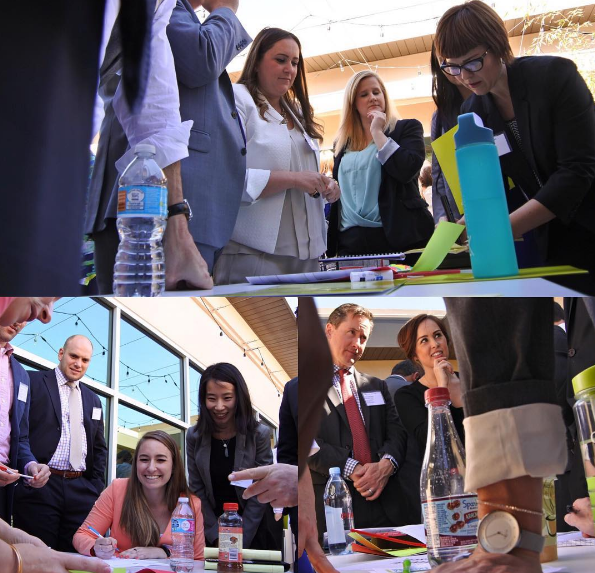
A happy and engaged employee is a productive employee. While everyone has different ideas about what constitutes a productive and proactive office environment, there are a multitude of ingredients that make up a team of focused and hardworking employees. Being more productive at work could be the key when it comes to getting your team on the same page. Consider the following examples of how to make your office environment strong and productive:
Culture. Personality is a very important factor in the hiring process. You may find the “perfect” employee on paper, but if they don’t fit in with the company (and your team’s) culture, everyone is likely to suffer. You can help new employees adapt to your company culture faster by encouraging teambuilding activities. Working together to accomplish a common goal brings people closer.
Lighting. It’s amazing how much work is done when people can see. As funny as that sounds, natural light has been proven to help with productivity, focus and energy. If you have access to a well-lit space, utilize it. Otherwise, invest in some good lamps with adjustable filters and energy saving light bulbs.
Space and decor. Aesthetics are important. A more homey feel (couches, pillows, comfy chairs) can do wonders for an employee’s work ethic and comfort levels, especially when they have space in which to move. Sterile offices make for sterile employees, but an inviting atmosphere makes people want to be working. Focusing on a clean workspace can really help to improve performance overall.
Flexibility. This one may be hard for some, but it’s extremely important to give employees some flexibility in their schedule. This doesn’t mean two-hour lunch breaks or binge watching Netflix at your desk. It means having the time for doctor’s appointments and kid’s recitals, and being able to work from home when the plumber is coming. Work is more enjoyable - and less stressful - when you still have time for everyday life.
Breaks. Productivity is not equal to the amount of hours sitting at one’s desk. In fact, your team is more likely to get burnt out if they aren’t given a minute to step away. Eating lunch at their desk doesn’t mean they are doing more - or better - work. Allow your team to have a few minutes each day to decompress, whether it’s to eat lunch in peace or grab a cup of coffee and take a walk. It’s a great way to re-energize and make good use of their workday.
Team building. A strong and productive team works well together because they like each other. Team outings build camaraderie and strengthen relationships. Anything from bowling night, to pizza parties, or eating lunch together once a month can reignite your team members’ passion for their work.
These are just a few examples of how to make an office environment strong and productive. Yet the common theme is simple: make your office a place where your team enjoys going to each day and you will see an exponential rise in productivity.
What do you think it takes to create an ideal productive working environment? Share with us on Cydcor’s Twitter and follow us @Cydcor.
We are Cydcor, the recognized leader in outsourced sales services. From our humble beginnings as an independent sales company based in Canada to garnering a reputation as the global leader in outsourced sales, Cydcor has come a long way. We’ve done this by having exceptional sales professionals and providing our clients with proven sales and marketing strategies that get results.
Cydcor is the leading provider of outsources sales team worldwide. Learn more about Cydcor by visiting us on Flickr (https://www.flickr.com/photos/cydcor/)
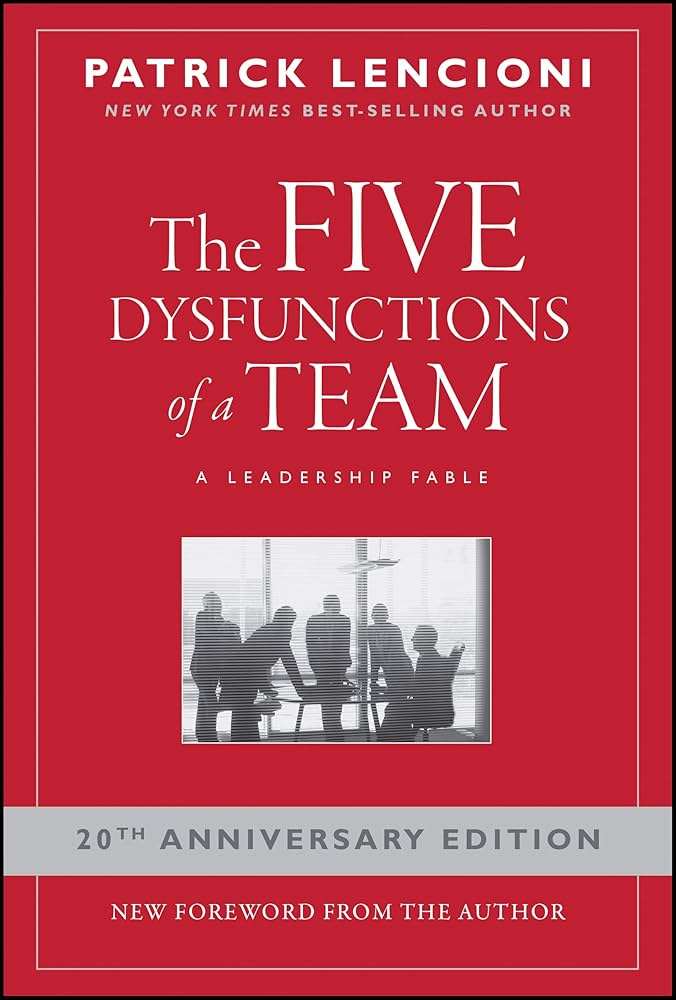
About The Five Dysfunctions of a Team: A Leadership Fable by Patrick Lencioni
The Five Dysfunctions of a Team isn’t your average book of business advice. Author Patrick Lencioni has crafted another excellent leadership fable to go along with his previous bestsellers, The Five Temptations of a CEO and The Four Obsessions of an Extraordinary Executive. In this book, Lencioni focuses his intellectual storytelling on the fascinating and complex world of team building. The Five Dysfunctions of a Team follows Kathryn Petersen, CEO of start-up Decision Tech, and how she handles a difficult leadership crisis: uniting her team when it begins to threaten the integrity of the whole company. Lencioni's gripping corporate tale serves as a timeless reminder that leadership requires as much courage as it does insight. Just as with his other books, Lencioni has written a captivating story with a simple message for all those who strive to be the best leader they can be.
Why Cydcor Reviews recommends this to future leaders:
Anyone who has had difficulty with leading and getting a group of co-workers to work together will find value in this book. The model that Lencioni lays out consists of five tiers that describe the five dysfunctions of a team. These include an absence of trust, a fear of conflict, a lack of commitment, an avoidance of accountability, and inattention to results. These are all dealt with accordingly and can open a leader’s eyes to some good ways to start making a difference. Although this is a fictional account of a leadership situation, it’s still possible to see yourself and your team in this business fable. Lencioni leads readers through the right steps to take and how to move a team from dysfunction to smooth operation. The examples are eye opening and will be useful to compare to your team’s last meeting.
Our favorite part:
The Five Dysfunctions of a Team offers practical advice as well as exercises that are easy to implement in any workplace team. Disagreements occur frequently while collaborating, but a leader needs to keep going no matter the problem to unite everyone. The story told in this book can help the reader visualize typical workplace dysfunctions while offering effective advice on how to overcome them.
The Five Dysfunctions of a Team seeks to identify and alleviate the problems that arise for many work teams. The success of a company depends greatly on how willing its leadership is to face issues head-on.