
Found 0 posts
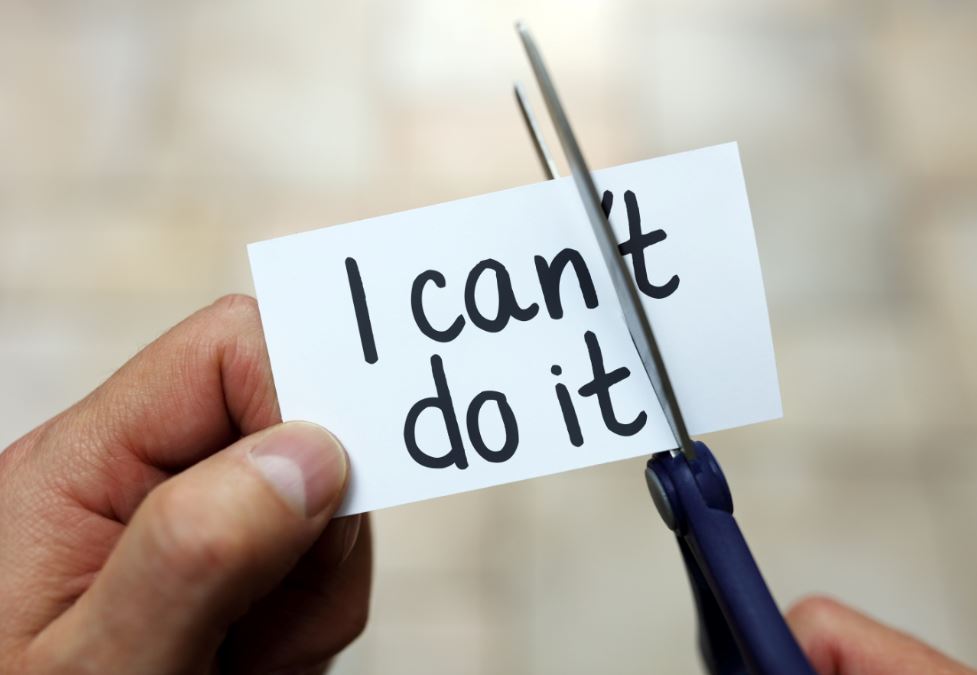
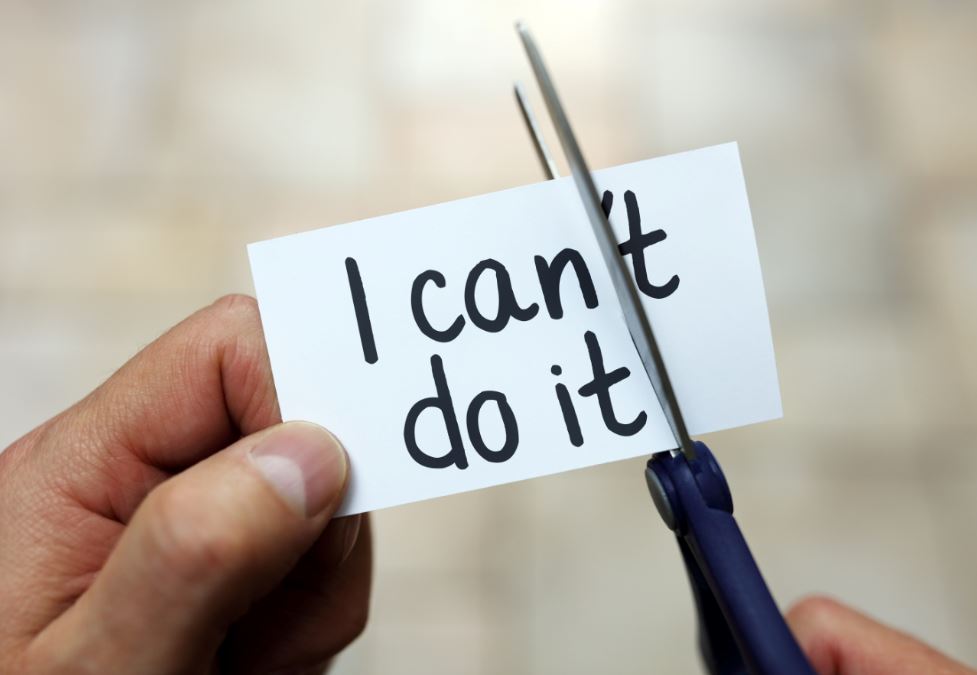
We all want to get ahead, and figuring out what’s keeping your goals out of reach can be tricky. It takes asking a lot of important questions and making sure all the pieces are in place to ensure your success. You’ll want to be sure you’re getting the right training, connecting with the best possible mentors, and working for a company that positions you for growth. But, don’t forget to take a good hard look where it matters most: yourself. Your attitude and the way you approach life, your job, and the people around you can be the critical factor that decides your fate. Luckily, your workplace attitude is the one piece of the puzzle entirely within your control. All it takes is accepting responsibility for the role your attitude plays, along with a willingness to change.
It’s never fun to admit that you might be the source of your own problems, but taking responsibility for your own workplace attitude is an essential step to overcoming those hurdles. Don’t beat yourself up. Instead, take an honest look at yourself and your interactions with others, and make a list of areas you’d like to improve. Write down tangible actions you can take to avoid being viewed as having a bad attitude at work in the future. You may even want to ask your coworkers how they perceive you. While their impressions may be hard to hear, their outside perspective is likely to offer insight into behaviors you weren’t even aware of. Understanding the problem is the first step toward being able to fix it.


I believe that you may belong to one of the greatest generations of our time. You follow in the footsteps of other individuals who accomplished amazing things before they were 30. Steve Jobs co-founded Apple at age 21. Bill Gates co-founded Microsoft at age 20, and fellow Millennial Mark Zuckerberg co-founded Facebook at age 19.
So be proud of your considerable talents and ambition. Use your mastery of technology, your competitive spirit and intensity, your creativity and your aptitude for collaboration and communication. These gifts prepare you well for success in life and work.
It is important to remember, too, that all great people have had great mentors who have inspired and guided them. Bill Gates views legendary investor, Warren Buffet, as a mentor, and Gates himself has been an important influence on Mark Zuckerberg. Similarly, you should find people from whose knowledge and wisdom you could learn. Buffet said the key to success is to know who to be the batboy for. Good mentors can teach you how to avoid the mistakes and landmines that can harm your reputation and career prospects. Additionally, they can arm you with the knowledge and skills to perform at your best.
Certain concepts are timeless: sacrifice and struggle for long-term success; going the extra mile to reach your goals; if you get knocked down seven times, get back up eight; and so on. Mentors can help you with these vital lessons, especially when you are struggling. They can give you the support and guidance to help you get back on your feet and embrace something Abraham Lincoln once said: “Things may come to those who wait, but only the things left by those who hustle.”


In my previous post, I wrote about the great potential of Millennials. How do we help them reach this potential and motivate them to perform at their best? I think it starts with respect. They have lots of ideas that they will want to share. They are not afraid to go to the CEO during their first week of work and to make suggestions. This happened to me recently, and the suggestions were good. Listen to them. Hear them out. You may need to advise them on the “how” and “when,” but do not dismiss them. Keep them engaged.
Another thing to keep in mind is that Millennials are not patient. They want a lot of responsibility fast, so give it to them. They will surprise you with what they can do. Empower them or risk losing them to another employer or losing their full commitment and energy. Approaches like Ken Blanchard’s Situational Leadership® II and Situational Self Leadership are structured ways that can help both managers and their Millennial team members. Managers can learn how best to lead and develop their people according to their needs. And Millennial team members can learn to develop effective self-leadership and self-reliance.
Here are a few tips for mentoring and coaching your Millennial team members:


We have been blessed with some incredible generations that have built and maintained our country. The founding fathers fought for our independence and constituted the great federal and state governmental institutions that are still the engine of our country. The Civil War generation gave its life and blood to preserve our country and end slavery. The WWII generation toiled through a horrible Great Depression and led the defeat of Hitler’s Nazi regime and of Japanese imperialism.
The Millennial generation, which includes those born between 1981 and 2000, seems to get bad press. “Entitled,” “lazy” and having “unrealistic expectations” are words often used to describe Millennials. Indeed, every generation seems to underestimate the next. Plato wrote 2,500 years ago how his contemporaries worried that the next generation of Athenians were too soft, not hard working and wanted success without effort. Every generation since then has likely expressed the same judgments about the generation following it.
Yet, the young can do amazing things. Alexander the Great conquered most of the civilized world by age 26. Alexander Hamilton was 32, and James Madison was 36 when they led the writing and adoption of the United States Constitution. Albert Einstein was under 30 when he published the great theories that sparked a quantum leap in science and technology. We should never underestimate the next generation of talent.
I believe that Millennials could turn out to be one of the greatest generations of our time. They have three advantages instrumental to their success.
One, they have grown up during the tech revolution, making them the most technologically savvy and information-intensive generation of all time. The world is changing dramatically because of the Internet and digital technology, and Millennials understand it best.
Two, Millennials are achievement-oriented and used to working under pressure. Although this notion contradicts the popular view, Millennials study harder in middle and high school. Many take a plethora of advanced academic classes and study longer hours than did the baby boomer generation to which I belong. Today, getting into college is more competitive and puts greater importance on class work and test scores. In addition, many participate in intense, performance-based activities, such as club sports and dance, a fact that prepares them well for the highly competitive work world.
Three, Millennials know how to collaborate and communicate effectively with their peers to get work done. This skill is vitally needed in the real world and can make the difference between productive results and failure. I noticed my oldest would do school work with her classmates. I asked her if that was allowed since it had been considered cheating when I was in school; work was always done on your own. She said that the teacher encouraged them to study together. I realized the brilliance of this idea since one of the biggest difficulties at work is to practice open collaboration.
So here is a generation that is equipped with the skills to succeed today and tomorrow: superior in technology, competitive, high achieving and adept at collaboration and communication. The Millennial generation will lead the way to solving the most pressing economic, social, political and environmental issues in our history. And those of us from earlier generations who work with Millennials should not only encourage them, but also should collaborate and learn from them.