
Discover practical advice, inspiration, and insights to help you succeed in business and grow both personally and professionally.

Found 0 posts

While it’s important to know what you should do in meetings and negotiations, knowing what you shouldn’t do is often just as important – and it begins with bad body language.
The best sales managers know that while you may have a polished sales presentation, tasteful attire, and a product that practically sells itself, you can still miss out on closing a sale if your body language is out of sync with your words. While it’s true that first impressions make a lasting impact, cumulative body language is important. If you are in the habit of demonstrating any of the following body language in sales meetings, it could be enough to hurt your sales performance, turning a potential yes into definite no.
There is no overstating the importance of presenting good body language in sales or any business interaction – it can make all the difference. Don’t send the wrong message with self-sabotaging nonverbal communication. Be prepared and well-rehearsed when you walk into a meeting. Be conscious, too, about what you do while you are speaking. You are, after all, providing visual accompaniment to your eloquent words. Once you ensure your words and actions match up, you’ll start to notice fewer closing doors and more closing sales.
If you’ve caught yourself demonstrating some of these examples of bad body language in sales meetings, consider the correction of it one of your professional New Year resolutions.

If you’ve been using our negotiating tips, then it’s entirely likely a sale is on the horizon – so it’s important to be able to recognize it. As a salesperson, it’s important to stay tuned into the customer and what he or she may be feeling, thinking, or doing. It easy to get too caught up in delivering the perfect sales pitch or projecting energy and forget that sales is a two-way communication. It involves give and take; the exchange of information to and from both parties. Customers are constantly sending signals about what they want, what they need, and what they are thinking. And, if you just learn to pay attention, and know what buying signs to look for, these messages, both verbal and non-verbal, can make your job as sales person a whole lot easier.
Buying signals are indications the customer gives that he or she may be nearing a decision about your product or service and may be interested in making a purchase. These ready-to-buy cues, can be easy to miss if you’re too focused on what you need to say or do next. Learn some of the most common buying signs, so the next time a customer is ready to buy, you won’t miss out on the sale.
Listening and paying attention is just as important as saying the right things when trying to make a sale. Customers communicate a lot about how they’re feeling about the product for sales people who are willing and able to pick up their signals. Overlooking these, sometimes subtle, buying signs could mean missing out on sales and doing more work than necessary. Becoming an expert on customer behavior and learning the classic buying signals can make selling a whole lot easier by giving you valuable information about the kind of customer you’re dealing with.

It’s not always what you say that makes the biggest impression. Before you even open your mouth, nonverbal habits you’re not even aware of could jeopardize your ability to make a good impression, close a deal, get promoted, or earn a new customer. Professional body language is critical to any business exchange, and it’s just as important to be aware of the things you’re not saying as it is to be aware of what you are. In other words, through your posture, body language, habits, and tone, you may be speaking volumes without even uttering a word.
Body language in meetings and exchanges can make a world of difference in your business conversations. Everything we do communicates something, so why not communicate as clearly as possible. Avoid these eight body language mistakes during your next meeting, and when you do have the opportunity to speak, your words will have the impact you’re hoping for.
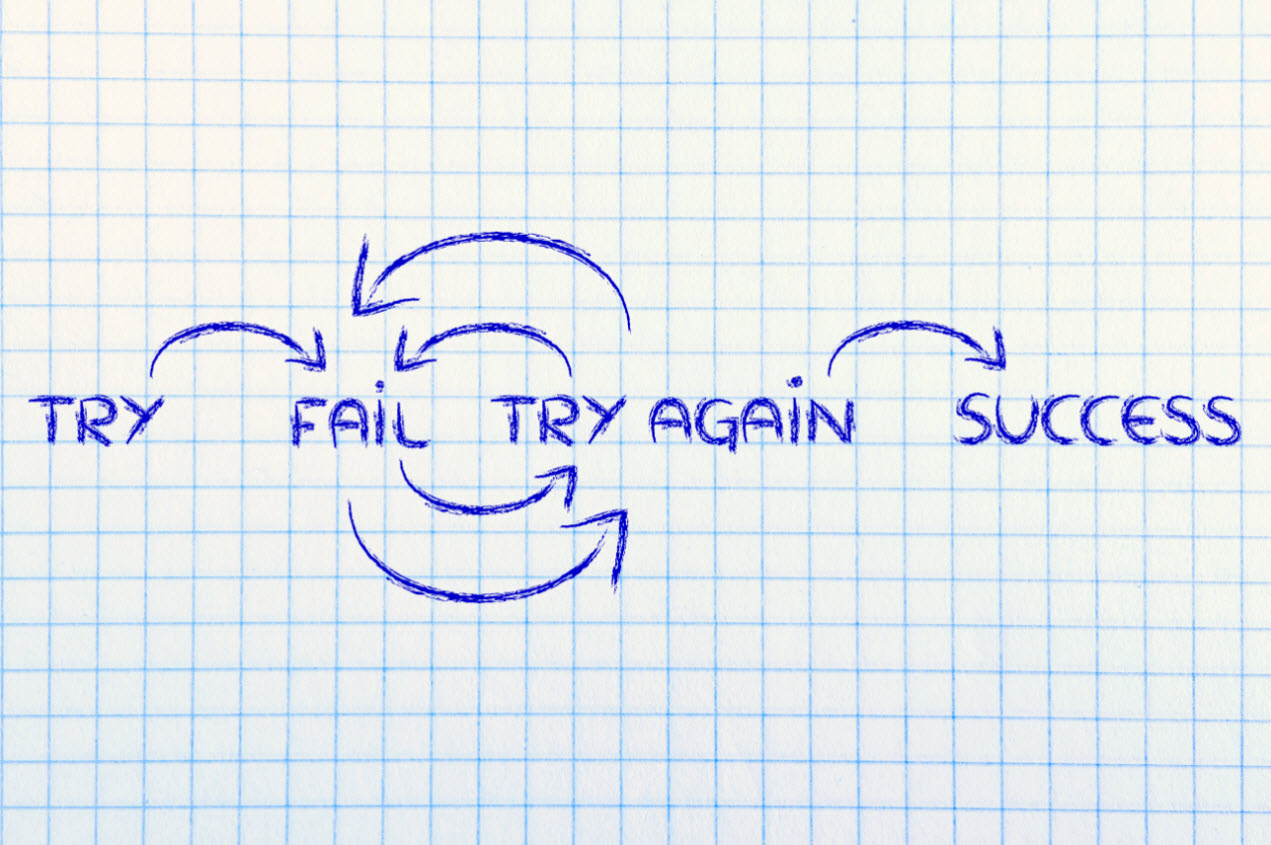
“Only those who dare to fail greatly can ever achieve greatly.” - Robert F. Kennedy
Growing up, we learned that all failures are bad. So when we did fail, it hung over our heads as an unpleasant reminder of what happens when we try something new. But failure can be good when we learn from it, and embracing the “fail fast and fail often” mentality, which focuses on risk-taking and innovation, can turn one step backward into two steps forward. Failure is a powerful teacher. It shows us what doesn’t work, so we can more quickly find our way to what does. Failing in sales and business can often be an effective and even necessary route to mastering the art of the pitch and closing more deals.
Learning from failure is a powerful skill that takes confidence in our abilities and strength to admit fault. Here are some strategies to turn a setback into a comeback:
Don’t Worry About What You Can’t Control
You can’t change what’s out of your control, and worrying about it will only make things worse. Take stock of what you can control, such as your planning and skillset, and use it to re-evaluate your process to prepare for a better outcome.
Own it
Everybody fails. Own it and forgive yourself, then learn from it and turn this negative into a positive. The best thing to do is to be honest with yourself and set your mind on improving, and the only way you can truly do that is taking responsibility for the missed opportunity.
Revise the Plan
Before you set out, what was your plan? Often times, the cause of failure is a simple oversight or misplaced effort in the planning phase. Focus on everything that happened before the failure and see what can be changed; there may be one or two things you could’ve done that’ll seem obvious with hindsight.
Seek an Outside Perspective
Sometimes we’re unable to see the cause of our failure because we lived it. An outside perspective from someone you trust, such as a mentor who is in a better position to see where things went wrong, might provide helpful guidance. Be open and honest with them about your failure; it’ll make you feel better to talk about it, and your mentor will respect you for seeking honest feedback and learning from it.
Believe in Yourself
Something went wrong, so trust yourself to make it right. It’s too easy to dwell on failure and beat ourselves into submission. A failure doesn’t make you a failure if you learn from it. Believe in your abilities and your strength to move forward because you will get better. Take risks. Expand your comfort zone. One day, you’ll look back on this and be glad it happened because it made you realize your true potential.
Try Again
The worst thing to do after a failure is stop trying. Failure can be a gift when it provides insights that help you perform better on the next attempt. When you give up, you waste that valuable information. Learn, grow, and keep moving, and this time you might just win big. There’s only one way to find out.
Setbacks are stressful, and can keep us from chasing our goals if we let them, but the courage to own it and learn from failure helps us pivot onto stronger ground for new opportunities. Millionaires and celebrities are no strangers to this; they’ve all experienced failure. Can you imagine if Steven Spielberg quit making movies after being rejected from film school? The most important thing to do after a failure is to learn from it and try again.
With the help of these strategies, your feelings of failure will subside and you’ll become even more confident in reaching your goals.

When asked about New Year’s resolutions, common responses are losing weight, getting a new job, and saving more money. For entrepreneurs, the answer is more complicated as business New Year’s resolutions require greater specificity and accountability, and the motivation to see them through.
As you and your team plan for the year ahead, consider these six, actionable business New Year’s resolutions:
1. Connect with More Customers
A new year means new opportunities to connect with more customers and grow your business. Learn as much as you can about them from social media, analytics platforms, internet forums, and blogs. Check in with existing customers and get feedback for improvement. Your customers will appreciate your proactive interest in them, and in turn, you’ll be on track to strengthen relationships and build new ones.
2. Communicate More Effectively
Miscommunication wastes time and affects morale. Nobody likes repeating themselves, and time spent clarifying is better spent knocking out approaching deadlines. Save time and help your team feel heard by asking for feedback and advice on what works best for them. Whether it’s less emails for more one-on-ones, or using a productivity tool, effective internal communication helps make all other goals seem more possible.
3. Learn a New Skill
Successful people are always learning; their student mentality keeps them open to new perspectives and innovation. Whether it’s to benefit your work or fuel a passion project, learning a new skill will help boost your confidence and give more opportunities to network with others in classes and workshops.
4. Make Time for Yourself
Running a business is hard, but it’s harder when you’re burnt out. Resolve to make time for yourself this year and set expectations with clients and colleagues, even if it’s only for a lunch break or turning your phone off after dinner. Often, complicated tasks become less complicated when you’re feeling refreshed. Taking time off allows your mind the room it needs to wander and connect the dots in unexpected ways.
5. Expand Your Comfort Zone
Make an effort to take more calculated risks and tackle different projects. It seems daunting, but the benefits far outweigh the intimidation. Expanding your comfort zone creates room for real growth and empowers you to chase new opportunities for your team, your business, and your clients. Plus, it shows that you’re versatile and bold, who wouldn’t want to do business with someone like that?
6. Set More SMART Goals
Specific, measurable, attainable, realistic, and timely goal setting is how successful people get large projects done. That also goes for New Year’s resolutions, which have a tendency to get dropped around January 7th. Keep your business New Year’s resolutions on track this year by setting more SMART goals, and ask your friend how that gym membership is coming.
When brainstorming your resolutions, reflect on these powerful business quotes for the New Year:
Mark Twain
"The secret of getting ahead is getting started. The secret to getting started is breaking your complex overwhelming tasks into small manageable tasks and then starting on the first one."
Ben Stein
"The indispensable first step to getting the things you want out of life is this: Decide what you want.”
Peter F. Drucker
“Whenever you see a successful business, someone once made a courageous decision.”
Oprah Winfrey
“Step out of the history that is holding you back. Step into the new story you are willing to create.”
As you go into the New Year, effectively manage your resolutions by ensuring they stay top of mind. Consider printing them out and giving everyone a copy, and sending reminders when appropriate. Although these are business New Year’s resolutions and quotes, the advice is timeless and will help inspire greater work across a variety of teams.

A simple gift can speak volumes when you want to acknowledge, maintain, or strengthen a professional relationship. The gesture of gifting shows thoughtfulness, consideration, and appreciation, especially if that gift can be incorporated into a daily routine, or make the recipient’s average day exceptional.
Whether you are acknowledging the diligent dedication of your employees, or showing appreciation for a strategic work connection, gifting demonstrates personal investment in a relationship.
It goes without saying, but always consider a recipient’s cultural differences when brainstorming professional gift ideas; appropriate holiday gifts for coworkers show that your firm has taste, class, and manners. Something your connections will remember while laying their plans for the New Year.