
Discover practical advice, inspiration, and insights to help you succeed in business and grow both personally and professionally.

Found 0 posts

By Brooke Levy
For many, negotiation is the most intimidating of all sales and business skills. It seems like one of those mysterious talents you either have or don’t have, and knowing a situation requires negotiation—buying a car, accepting a new job offer, or making a business deal—will cause some to break out into a nervous sweat. But according to negotiation expert, and Cydcor Senior Vice President and General Manager, Business to Business, Brooke Levy, negotiation can be learned.
What many people don’t realize is that they’re not bad at negotiating, they’re just doing it wrong. Like most things that require talent and practice, improving negotiation skills takes understanding what works and what doesn’t. Think about sports. You may never become a championship golfer, but with the right information about how to hold a golf club and how the wind can affect a golf ball in the air, you certainly can learn to improve your game. It’s the same with negotiation. With the right negotiating tips and techniques, and a lot of practice, you can learn how to overcome your fears and hold your own when asserting yourself.
Not everyone loves to negotiate, but understanding how to negotiate and improve your negotiation skills is critical to achieving success in almost any kind of business, and in life. Even those who never work in sales will need to negotiate at some point or another, because resolving almost any disagreement requires compromise. Learning to control and play an active role in resolving conflicts can empower you to feel less anxious when asserting yourself and your wishes, and can help you get the results you’re hoping for more often.

Brooke Levy is Senior Vice President and General Manager, Business to Business at Cydcor, where she is responsible for managing client relationships, driving results at the campaign management level, and exploring new business opportunities. Under Brooke’s leadership, revenue for one of Cydcor’s residential energy programs tripled in just 18 months. Brooke heads the company’s entire business to business sector, and she was instrumental in designing the business and legal framework for both of Cydcor’s proprietary residential energy businesses. She has also developed new mid-market sales opportunities for Cydcor, pairing clients with business models she personally built and tested to ensure long-term growth. Brooke joined Cydcor in 2013, following a successful 10-year stint as a corporate lawyer, specializing in mergers and acquisitions as well as private equity.


Wouldn’t you like to save a little extra cash every week? The savings are right in front of you—if you know where to look. It may seem like just a few dollars at a time, but add up the money you could save over a year’s time, and you will have “made” an extra $4,000 over the year that would have otherwise been spent on nonessentials. As a savvy business owner, it will work to your advantage to use your money wisely and frugally. We’ve already shared ten of our favorite tips to help you save $5,000. Here are a few more small changes you can make on a daily basis that will save you money—cash that you can use to invest in and grow your business.
Some of these tips may be easier than others for you to implement. Not to worry! Introduce some of these tips into your normal routine one at a time, and soon you’ll start to notices savings on a daily basis. Once you start to see results, you’ll be inspired to do more. From there, the money you save will begin to grow and the sky is the limit!

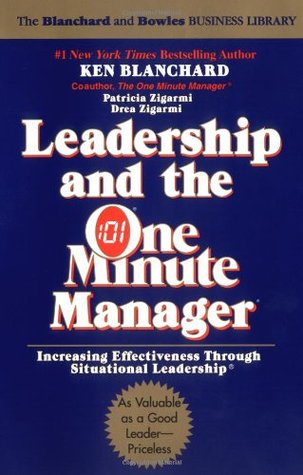
This article is the fifth in a series of five blog posts from management expert, and Cydcor Chief People Officer, Jeannie Finkel. In this series, Jeannie recommends the Top Five Books she believes can help you transform your management style and become a better, more effective leader.
Managers, especially those leading a team for the first time, sometimes mistakenly believe that to be effective leaders, they must shape their team members' work styles and thinking to their own. But Ken Blanchard, the author of Leadership & The One Minute Manager, is a proponent of and helped develop the concept of Situational Leadership, a leadership style in which leaders adjust their own style to meet the needs and development levels of those they manage. It focuses on flexibility, adaptability, and an awareness of the competencies and individual strengths of those on your team. Leaders who are versed in Situational Leadership come to understand that there is no single best or right way to lead, but that what’s important is using the right leadership approach for each team member.
Below Jeannie Finkel recommends the book Leadership and the One Minute Manager by Ken Blanchard to managers and leaders as a tool to help them become more effective and capable of leading more productive teams.
Book #4 Leadership & The One Minute Manager
Author: Ken Blanchard
Short summary: Ken Blanchard is one of the best-known modern “Management Guru’s”, with a global management development consultancy and over 40 books published and millions of copies sold. One of the first and most famous is the One Minute Manager, followed by this one, which provides a simple framework to help managers use the techniques from the One Minute Manager to tailor their management styles to the unique situation and individuals they’re working with. As with many of Blanchard books, this one is written as a fable, with a fictional entrepreneur consulting the One Minute Manager for advice as she’s finding she’s unable to get everything done by herself but also unhappy with her team’s results. As the One Minute Manager sends her out to talk to people on his team, she discovers the various leadership styles an effective manager uses to work with people at all development levels. She learns what she needs to, to become a Situational Leader.
What you’ll learn: Without giving away this book’s great secrets, you’ll learn the key skills of a Situational Leader, which are: setting goals together to be sure you’re both on the same page; accurately diagnosing your team member’s development level on the particular goal or task (are they experienced or novice, for instance); and then matching your leadership style to the person’s development level. You’ll also learn the four key style choices leaders have to match with: Directing; Coaching; Supporting; and Delegating – and what sort of behaviors go with each. Throughout the book, you’ll find little phrases such as, “when I slow down I go faster” or “you can expect more if you inspect more,” which are also some of the “aha moments” the entrepreneur has as she goes through her learning journey with the various managers in the story. They are also illuminated as nuggets of management wisdom, wrapped around the core principles I just outlined.
Why it’s a must read: Every manager should learn and master Situational Leadership, preferably early on in their career. I personally learned it during my first two years of corporate life many years ago, and I use it to this day. Two of the biggest challenges first-time managers face are: time management and delegation. Situational Leadership helps address both. What I like best about it (besides the fact that it works) is that it’s collaborative. This is especially important even for seasoned managers who take on a new team. You won’t know right away what your new team members know or don’t know – but the simple act of asking someone what level of guidance they need from you, or how comfortable they feel with a project or task, immediately helps someone feel that you care about them and want them to be successful. Using Situational Leadership principles, to create a sense of partnership and ongoing, open communication with your team, stacks the deck in your favor as a manager!
While many management courses out there are pricey and inconvenient, you can get the same invaluable experience in these books for managers written by industry leaders. Read these other posts in this series to learn about other books every manager should have on his or her bookshelf: Encouraging the Heart, Leadership is an Art, The Elements of Style, and 13 Fatal Errors Managers Make and How You Can Avoid Them.
To find out more about Cydcor, check us out on Facebook, LinkedIn, Instagram, and Twitter.

Jeannie Finkel, Chief People Officer at Cydcor, the recognized leader in outsourced sales, has more than twenty-five years of business experience, managing human resources and administration at top firms. Jeannie served for nearly twelve years as a Senior Vice President of Human Resources at Charles Schwab & Co. Jeannie was also Head of Human Resources and Administration for a leading asset management firm, and served as Managing Director, Talent Management Systems and Strategies for a Fortune 100 organization. Jeannie later became a Partner with leading global retained search firm, Heidrick & Struggles. With years of experience managing teams and overseeing organizations, Jeannie is a seasoned expert in management, administration, and leadership.

Looking to save a bit of money in the year ahead? As a business owner, the more money you save, the more of your money you can put back into your business. But where do you start? Finding ways to save money on a tight budget can be challenging when you’re already living a pretty frugal lifestyle, but you might be surprised how quickly small changes can add up to big savings by the end of the year.
Here are 10 easy ways to save money on a tight budget and make an extra $5,000 or more every year:
Even a small step can lead to big changes and, in this case, even bigger savings. Many of these money saving ideas are easy to implement, and they could provide benefits that go well beyond the money you’ll save, such as financial freedom for you and your family. Most importantly, living within your means can reduce the additional stress you have to manage as you work to keep your growing business healthy. Every cent you save is just one more penny you can use to help your company reach its goals.
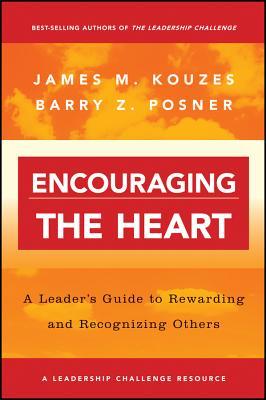
This article is the fourth in a series of five blog posts from management expert, and Cydcor Chief People Officer, Jeannie Finkel. In this series, Jeannie recommends the Top Five Books she believes can help you transform your management style and become a better, more effective leader.
What really motivates people? What is that drives people to do their best work and be the most effective version of themselves? As a manager and leader, it pays to not just be able to confidently answer these questions but to lead in a way that inspires and fosters that passion to execute. While we all work to earn money, there are myriad rewards and benefits of a career that go far beyond monetary needs, and leaders who understand how to encourage employees and feed their emotional needs as well, have the opportunity to unlock hidden talents and potential – the kind that only emerge when employees love what they do.
Below Jeannie Finkel recommends the book Encouraging the Heart by James Kouzes and Barry Posner to any manager looking to motivate his or her employees and help team members reach their potential through encouragement and inspiring leadership.
Book #4 Encouraging the Heart
Author: James Kouzes & Barry Posner
Short summary: This is a wonderful book about the art of rewarding and recognizing others, that opens up a world of possibilities beyond just monetary rewards. The book helps us explore what really motivates people and makes them feel appreciated. The authors are best known for their major works on leadership. First was The Leadership Challenge, published in 1987, and the associated leadership development program and assessment instrument they created, used by major multinational companies. The second was Credibility, which examines what makes leaders credible, based on years of research. This book is based on one of the “5 Leadership Practices” identified in The Leadership Challenge, and it’s the only one the authors chose to build out in such detail. Kouzes and Posner recognize that one of the hardest, but most vital, things for leaders to do is excel in meeting those basic needs we all have: to be respected for who we are and recognized for what we do. This book is a “how to” manual that will help and inspire you to become great at not just meeting those needs but also unleashing truly high performance and commitment.
What you’ll learn: As with the other Kouzes and Posner books, this one starts with some foundational research, principles, and introspection. You’ll take a self-test to see how you score on the “Encouragement Index” (and might learn, to your dismay, that you’re not as good at this as you could be!). The bulk of the book takes you through the “7 Essentials of Encouraging the Heart: Set Clear Standards; Expect the Best; Pay Attention; Personalize Recognition; Tell the Story; Celebrate Together; and Set the Example.”
In the concluding section, the authors revisit introspection, with a few thought-provoking pages on “Finding Your Voice”. And finally, they provide 150 suggestions for ways to get started!
Why it’s a must read: Honestly, all three of Kouzes and Barry Posner’s books should be read by anyone who aspires to be a leader. This one, in particular, is special because it speaks to those basic needs we all have, and what we hope we will experience from this thing called “work”. As the authors say, “To us, leadership is everyone’s business. Leadership is not about a position or a place. It’s an attitude and a sense of responsibility for making a difference.” Anyone who has to work with others to get things done can benefit from the wisdom and wealth of practical suggestions in this small volume. If we put them into practice, we can make our workplace a better place…and hopefully a BEST place!
If you found this book recommendation valuable, check back to read the upcoming and final post in this series. These books can help you become the kind of leader who inspires the passion, drive, and innovation necessary for organizations to produce extraordinary results. In case you missed it, don’t forget to read last week’s post about the book Leadership is an Art.
To find out more about Cydcor, check us out on Facebook, LinkedIn, Instagram, and Twitter.
Jeannie Finkel, Chief People Officer at Cydcor, the recognized leader in outsourced sales, has more than twenty-five years of business experience, managing human resources and administration at top firms. Jeannie served for nearly twelve years as a Senior Vice President of Human Resources at Charles Schwab & Co. Jeannie was also Head of Human Resources and Administration for a leading asset management firm, and served as Managing Director, Talent Management Systems and Strategies for a Fortune 100 organization. Jeannie later became a Partner with leading global retained search firm, Heidrick & Struggles. With years of experience managing teams and overseeing organizations, Jeannie is a seasoned expert in management, administration, and leadership.

Becoming a great athlete requires passion, perseverance, and hard work. And just like sales, sometimes in sports you need to fail before you can succeed. These motivational sales quotes from some of the world’s best athletes show that attitude and perspective are key when it comes to achieving your goals. Because whether you’re playing shortstop in MLB or working in sales, being out in the field can be thrilling and challenging. These motivational sales quotes can help you out along the way!

When you’re in sales, the prospect of striking out with a potential buyer can be intimidating. However, don’t allow fear of failure stop you from going out there and giving it your all. Believing in yourself is the first step when it comes to succeeding in sales.

2. “Talent wins games, but teamwork and intelligence win championships.” – Michael Jordan
Without a doubt, being a great salesperson requires talent. But even the most talented individuals in the world are nothing without their team! Here at Cydcor, we support each other and work together in order to achieve great things.

3. “Set your goals high, and don’t stop till you get there.” – Bo Jackson
Never underestimate what you can accomplish. The higher you set your goals, the more you will achieve in the long run. With hard work and determination, you can do anything.

4. “Celebrate what you've accomplished, but raise the bar a little higher each time you succeed.” – Mia Hamm
Accomplishing your goals is an amazing feeling. It’s a sign of hard work paying off! Every time you reach one of your goals, set a new one, and always strive for improvement.
5. “Champions keep playing until they get it right.” – Billie Jean King
As the old adage goes, practice makes perfect. In sales, you might make mistakes from time to time. Instead of getting down on yourself, learn from what you did wrong, and get ready to hit the field again with more knowledge and experience than before.

6. “You miss 100 percent of the shots you don’t take.” – Wayne Gretsky
Sales is all about putting yourself out there. If you don’t try, you’ll have no idea of what you’re capable of. When you see an opportunity for a potential client, go for it, and you’ll end up scoring in no time.

7. “When you fall, get right back up. Just keep going, keep pushing.” – Lindsey Vonn
The best salespeople are individuals with exceptional drive. You may come across bumps in the road, but don’t sweat it! Challenges can be an excellent learning opportunity. Just maintain a strong mental attitude and keep going.

8. “I am lucky that whatever fear I have inside me, my desire to win is always stronger.” – Serena Williams
Sales attracts strong, passionate individuals. Combat your doubts with your desire to succeed, and you’ll be on your way to achieving your very best.

9. “There may be people that have more talent than you, but there’s no excuse for anyone to work harder than you do.” – Derek Jeter
Some things in your career aren’t under your control, but one thing that is under your control is your work ethic. Putting in 100% effort is what makes people great at what they do, and giving it your all until the very last minute will give you amazing results.

10. “You can’t put a limit on anything. The more you dream, the farther you get.” – Michael PhelpsAlways dream big. Strong aspirations will transform your career from ordinary to extraordinary. If you believe you can do great things, then you will.
These famous athletes know that it takes more than just hard work to be your best; it takes passion and grit to overcome setbacks, fight through pain, and believe in yourself no matter what! Hopefully, these motivational sales quotes will help inspire your own drive to push through challenges and reach your dreams.