
Discover practical advice, inspiration, and insights to help you succeed in business and grow both personally and professionally.

Found 0 posts
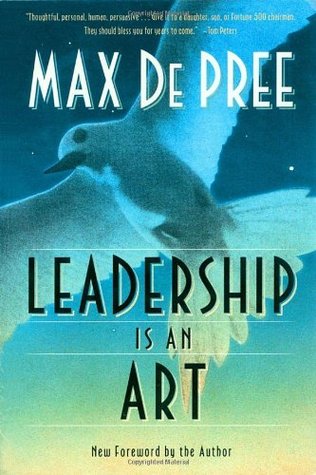
This article is the third in a series of five blog posts from management expert, and Cydcor Chief People Officer, Jeannie Finkel. In this series, Jeannie recommends the Top Five Books she believes can help you transform your management style and become a better, more effective leader.
There are some clear cut skills that can help anyone become a better manager, but it can take a harder-to-define set of qualities to be a strong leader. Management expert Jeannie Finkel recommends Max De Pree’s Leadership is an Art to anyone looking to find out how to establish your unique point of view as a leader, fill your organization with passion, and foster loyalty and drive within your organization. Great managers show enormous faith in the potential of their people, and this book can help you discover how to lead by establishing relationships based on mutual trust, building a culture of inclusiveness, and by offering constant support.
Below, Jeannie Finkel explains why every manager and aspiring manager should read Max De Pree’s book on leadership, to build their identity as a leader and help shape their vision for their organization:
Book #3: Leadership is an Art
Author: Max De Pree
Short summary: This is a beautifully written collection of leadership principles written by Max De Pree, son of the founder and former CEO and Chairman of Herman Miller, Inc. Herman Miller is a nearly 100-year-old company, but it has consistently been recognized throughout its history as one of the best companies to work for in America, as well as one of the best managed and most innovative.
If you’re looking to understand how leaders can create a culture and set of principles that can stand the test of time, this book is a great place to start.
De Pree opens with a story about his father as a young manager whose experience with the death of a long-time employee shaped his philosophy of leadership. De Pree’s father went on to weave those ideas into the fabric of his company and the hearts and minds of his sons, who ran the company after him. The various chapters, each written as a little essay, bring this philosophy to life, starting with the question everyone asks at one point or another: “What is Leadership?”
What you’ll learn: The most important aspect of this book is the humanity and belief in the potential of people and the human spirit that it expresses. If you are not familiar with the concept of servant leadership, by the time you finish reading, you will be, and hopefully will be inspired by it.
De Pree also lays out his ground rules for how work relationships should operate based on mutual accountability. He looks at the capitalist system and helps us imagine how it could be enhanced through a more inclusive mindset where everyone participates. He provides guidance on how to stimulate innovation by recognizing and supporting “giants”, and he reminds us of the importance of sharing culture, values and shared history through storytelling. De Pree also offers techniques for becoming alert to the signs of complacency in ourselves, and he teaches us how to recognize the signals of organizational entropy, as well.
Every time I read this book (which is about once a year!) I take something new away from it.
Why it’s a must read:
This is an enduring classic. I came upon this one because I fell in love with Herman Miller’s products and services, and their exquisite attention to design, aesthetics, functionality and harmony in creating a work environment in which people were inspired and enabled to do their best. I had the privilege to have HMI as a client when I was in the recruiting business, and in order to do my best work and find the right people for them, I had to understand the culture. The manager I worked with encouraged me to study the company and read the book – and I was captivated. It helped me visualize the kind of company I hoped to be a part of and the kind of leadership I wanted to practice. It left me with a sense of my obligations as a leader which I’ve tried hard to live up to ever since.
And on top of everything else, the writing is absolutely beautiful – it’s like reading poetry!
If you found this book recommendation helpful, make sure to check back for upcoming posts in this series to learn about two more books that can help managers build their skills, earn the trust of their team, and lead their organizations to success. In case you missed it, don’t forget to read last week’s post about the book The Elements of Style.
To find out more about Cydcor, check us out on Facebook, LinkedIn, Instagram, and Twitter.

Jeannie Finkel, Chief People Officer at Cydcor, the recognized leader in outsourced sales, has more than twenty-five years of business experience, managing human resources and administration at top firms. Jeannie served for nearly twelve years as a Senior Vice President of Human Resources at Charles Schwab & Co. Jeannie was also Head of Human Resources and Administration for a leading asset management firm, and served as Managing Director, Talent Management Systems and Strategies for a Fortune 100 organization. Jeannie later became a Partner with leading global retained search firm, Heidrick & Struggles. With years of experience managing teams and overseeing organizations, Jeannie is a seasoned expert in management, administration, and leadership.


It's always a boon to morale to show gratitude to employees. Making sure employees know their hard work doesn't go unnoticed is a nice reminder that the bottom line isn't the only thing that matters in sales. Is there a better time to explore ways of showing gratitude and the positive effects it can have at work than Thanksgiving?
Call-Outs: A simple "good job" in any form – whether it's during a meeting, included in a company-wide email or posted on a bulletin board in a common area – goes a long way. It may mean more when the recognition comes from management or the C-suite level, but don't discount the value of peer recognition. Encourage your employees to keep everyone informed if they think part of their team is doing exceptional work. It goes a long way towards fostering a team-oriented environment and building community within your office.
Rewards: Verbal call-outs are great, but tangible gifts and experiences can leave an even bigger mark. Gifts don't have to be extravagant; even something as simple as a photo frame for the team member’s desk, a funny coffee mug, or a stylish journal is a great way to recognize someone. Personalizing a reward to suit an employee's taste goes the extra mile toward positive reinforcement. Gift cards, a lunch out or tickets to a show also make great tokens of recognition. We’re not suggesting you should make handing out awards a daily occurrence, but recognizing employees who consistently go above and beyond is a great practice.
Group Activities: The only potential downside to singling employees out is the risk of alienating other employees who feel they were passed over. So much of business is a team effort, so why not plan a team outing that lets people relax and get to know each other on a more personal level? Dinner out, sporting events, leisure sports like bowling, scavenger hunts, live shows and movies are all great options.
If group outings feel too costly or burdensome to coordinate, consider buying lunch for the office. Planning a potluck and supplying the main dish can also bring people together.
At Cydcor, we’re constantly working to achieve outstanding results on behalf of our clients, but that doesn't mean forgetting the amazing people who make those achievements possible. It’s important to take the time to remind your employees that your own success and that of the company depends on them, their passion, their drive, and the time and effort they devote to helping the team reach its goals.
We hope you and your work family all have a safe and happy holiday season.
Happy Thanksgiving!
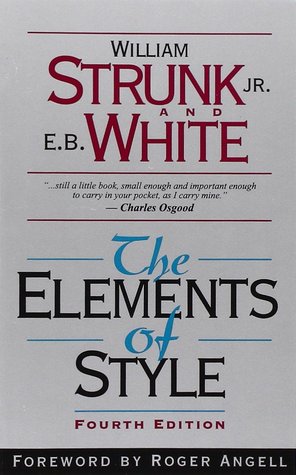
This is the second in a series of five posts on tips and books for managers, and Cydcor Chief People Officer, Jeannie Finkel. In this series, Jeannie recommends the Top Five Books she believes can help you transform your management style and become a better, more effective leader.
Writing well isn’t just a nice talent you can use to impress friends and colleagues. Sure, it can do that as well, but effective writing is much more important than that. Clear, concise writing is essential to be an effective communicator, a skill you must have if you ever hope to succeed in a leadership or management role. The way you write and communicate can mean the difference between getting the job or not, gaining approval for a critical project, earning the confidence of your team or organization, and the ability to explain yourself in cases when your actions are not as well received or understood. Effective writing ability is not just nice, it’s critical. It can directly impact your ability to survive and thrive in the workplace and your future growth potential.
Below, Jeannie Finkel recommends a book she believes any manager must have to help improve writing ability and communication:
Book #2: The Elements of Style
Author: William Strunk Jr. and E.B. White
Short summary: If any aspect of your work involves written communication – beyond texting – and you want the quality of your writing to stand out, this little book will teach you what you need to know to master the core principles of writing clearly. It focuses on the fundamentals, clearly explaining proper usage and composition, and helping explain and address the rules of good writing that are most frequently violated.
This really isn’t a book you “read” per se. Rather, it’s a great reference tool that everyone who aspires to write well, or needs to influence, explain, or inspire would do well to study. It’s less than 100 pages, divided into three segments. The first segment is two chapters which give a set of “rules” for English usage and composition (you’ll remember grammar class in grade school!). Then there’s a terrific section about words and expressions that are most often misused – EVERYONE should review this part. The book ends with a set of 21 tips to keep in mind as you create your own writing style.
What you’ll learn: What you learn from this book really depends on what you need. If you’re newer to business and fresh from writing college papers, you might have to change your style to adapt to the brevity required for business writing, such as reports, PowerPoints, and emails. Find excellent advice to guide you through this transition under the sections entitled “Use definite, specific, concrete language” and “Omit needless words”.
Or, if you’ve been in the business world for some time and now need to or communications for publication, you’ll benefit from reviewing the chapter entitled, “Misused Words and Expressions”. We don’t notice many of these in our everyday conversations with friends, but they really stick out in a written piece!
Dip into the book enough and you’ll experience a true appreciation of the beauty and richness of our language, and realize the professor who wrote the original book truly loved his subject and hoped to pass on the art of communication to future generations.
Why it’s a must read: This is a desk reference I’ve kept with me ever since a rather embarrassing experience with a boss many years ago. I had just been promoted to my first Vice President level assignment, working for someone who had a reputation for being extremely tough. I was a literature major in college, and I thought I wrote pretty well. I wanted to impress him and show I was worthy of the big new job and title, so I wrote a lengthy memo about something I thought he should consider changing. But, I was afraid to be too direct in case he thought I was overstepping. Instead, I made it so indirect and wishy washy that (as I realized later) it was impossible to figure out what I was trying to say.
Thankfully, rather than ripping up what I’d written and leaving it in shreds on my desk, he said nothing. Instead, after lunch, I came back to a little brown paper bag from the bookstore down the street with this book in it, sitting on top of a copy of my memo. I opened it up and looked at the content. My boss had gone so far as to check off the sections he thought I should read, and underline several key sentences in red ink. This was the President of a key business unit who’d taken the time to go out and get this book for me and do this!! After I got over feeling mortified, I rewrote the memo (it was probably two pages shorter) and went in to thank him and make my case, this time much more directly, confidently, and clearly. We went on to be a great team and work together for many years, and we are still good friends today. I credit him, and this book, with setting me on a path to becoming an effective business writer! Maybe it will do the same for you.
Look out for upcoming posts in this series to learn about three more books every manager must have on his or her bookshelf to bolster professional growth and personal development. In case you missed it, don’t forget to read last week’s post about the book 13 Fatal Errors Managers Make and How you can Avoid Them.
To find out more about Cydcor, check us out on Facebook, LinkedIn, Instagram, and Twitter.
Jeannie Finkel, Chief People Officer at Cydcor, the recognized leader in outsourced sales, has more than twenty-five years of business experience, managing human resources and administration at top firms. Jeannie served for nearly twelve years as a Senior Vice President of Human Resources at Charles Schwab & Co. Jeannie was also Head of Human Resources and Administration for a leading asset management firm, and served as Managing Director, Talent Management Systems and Strategies for a Fortune 100 organization. Jeannie later became a Partner with leading global retained search firm, Heidrick & Struggles. With years of experience managing teams and overseeing organizations, Jeannie is a seasoned expert in management, administration, and leadership.


We all want to love our jobs, and while most of us accept that not every part of our job can be our favorite thing to do, what happens when you start getting bored at work? Does that mean you’re doing something wrong or that your chosen career might not be right for you after all? Not necessarily. While you should never stay at a job you absolutely hate, feeling occasional boredom at work can actually mean that you’re making valuable progress you’re not even aware of.
Make the Most of It Tip: Rather than focusing on the monotony, remind yourself that even if you can’t see the improvements right away, you are getting better at what you do with each repetition.
Make the Most of It Tip: Tell yourself you can check your emails, surf the web, get coffee, or spend ten minutes socializing with coworkers once you’ve finished the assignment in front of you. By giving yourself small rewards to work towards, the strange feeling of only paying attention one thing at a time might not feel so uncomfortable. At the end, you might be surprised to see how much you’ve accomplished, and it may help you enjoy those periods of focus a bit more the next time.
Make the Most of it Tip: Rather than looking for ways to speed things along, take pride in the fact that you’re accurate and thorough. Tell yourself that doing things right is part of your personal brand, and know that it’s that attention to detail that will help you stand out amongst the competition.
Make the Most of it Tip: Use those moments of boredom as opportunities to think through the case you’ll make to management for why you’re ready to move up to a new role. Use the ease with which you do your current tasks as part of your argument. Explain that the job has gotten so easy that you’re confident you could be doing more, and offer to help train your replacement to be as proficient at your current role as you are.
Make the Most of it Tip: When your mind starts to wander, take advantage of those moments by choosing to brainstorm new ideas for your company or ways you can make projects more efficient. In other words, decide to use your daydreams to benefit your company, and you may be surprised how that decision can boost your own career growth as well.
Like most things in life, boredom, in moderation, won’t hurt you, and it could even help you take your career to the next level. Remember that being great at your job may not be fun and exciting every day, but feeling the occasional boredom shouldn’t send you running for the hills either. Realize that even the greatest jobs will have ups and downs, and what may seem like a rough day today could be helping you toward that big win tomorrow.
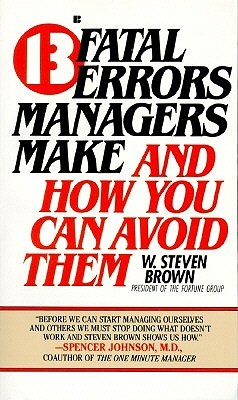
This is the first in a series of five posts by management expert, Jeannie Finkel. In this series, Jeannie weighs in on the top five books for managers, featuring one book each week.
Being a great manager is a skill that benefits from constant honing and refinement. While some are born with the innate ability to influence others, inspire action, and drive results, most leaders require a great deal of training, practice, and studying to become as effective as they hope to be. There are many incredible management training courses available, but they can be very pricey. Luckily, there is a wealth of information that can help you transform the way you lead and manage your team available for free, from the local library.
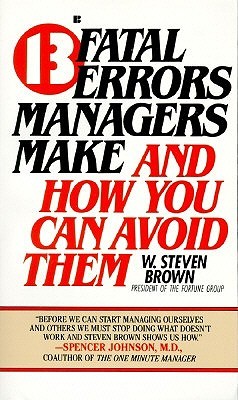
Book #1: 13 Fatal Errors Managers Make and How You Can Avoid Them
Author: W. Steven Brown
What it’s all about: Brown draws on his years of experience as a sales and management coach and consultant, working with Fortune 500 companies, to identify the top errors managers tend to make repeatedly, so we can recognize and stop doing them, or better yet, avoid committing them in the first place. The good and somewhat surprising news he shares is that there really aren’t that many – just 13 of them! He describes each one clearly, illuminating why the error gets in the way of achieving our goals as managers, and provides stories, examples, and suggestions to help us understand what the error looks like and how to correct it. He also ends chapters with helpful tools and a workbook section to create an action plan, summarize your key learnings, and think about how you’ll apply them.
What You’ll Learn: Whether you’re a new manager or one who’s been around a long time, there’s something in this little book for everyone. For newer managers, especially if you’ve been promoted from among a group of your former friends and peers, the transition to the role of “boss” and having to hold your friends accountable, can be very tough. For those in this tricky situation, the chapter, “Fatal Error #8: Be a Buddy, Not a Boss,” might really help.
For more experienced managers, who find yourselves wishing you could get your team to be more productive, there are great insights in the chapters “Fatal Error #3: Try to Control Results Instead of Influencing Thinking,” and “Fatal Error #7: Concentrate on Problems Rather than Objectives.” Or, maybe you’ve always been a top performer, and even though you set a high bar for your team, somehow, you know they can do even better. The chapters, “Fatal Error #5: Manage Everyone the Same Way,” and “Fatal Error #12 Recognize Only Top Performers,” could provide some good tips!
Why it’s a Must Read: I bumped into this book soon after it was first published, when I was a young manager. It was a godsend to me, as the firm I worked for did not provide any management training so I had to figure things out for myself. I discovered that I was committing most of these errors, and I quickly realized that the suggestions the author provided actually work. When I applied them to my own role, I became a much better leader of people, in large part because of the simple lessons this book offers.
This is a top management book I revisit every so often, and I recommend it to any new manager who’s just starting their leadership journey, as well as more experienced managers looking to strengthen their leadership skills. It’s really easy to read – you can probably finish it on a cross country plane flight or quiet Sunday afternoon – but the wisdom sticks with you long afterwards!
Look out for more book recommendations from management expert, Jeannie Finkel, as we continue our series on The Top Five Books for Managers. No matter where you are in your career, feeding your student mentality with advice from the top management experts can only aid you in your quest to reach your current and future goals and achieve success.
To find out more about Cydcor, check us out on Facebook, LinkedIn, Instagram, and Twitter.
Jeannie Finkel, Chief People Officer at Cydcor, the recognized leader in outsourced sales, has more than twenty-five years of business experience, managing human resources and administration at top firms. Jeannie served for nearly twelve years as a Senior Vice President of Human Resources at Charles Schwab & Co. Jeannie was also Head of Human Resources and Administration for a leading asset management firm, and she served as Managing Director, Talent Management Systems and Strategies for a Fortune 100 organization. Jeannie later became a Partner with leading global retained search firm, Heidrick & Struggles. With years of experience managing teams and overseeing organizations, Jeannie is a seasoned expert in management, administration, and leadership.
There are no better examples of leadership than the legacies of our great historical leaders. While they achieved tremendous fame, they did not do so without facing the occasional failure and enduring hardship. As we strive to become better leaders and learn how to inspire others, we would do well to reflect on the greatest leaders from history to see the characteristics, mentality, and habits that allowed these most revered leaders challenge norms, empower the oppressed, galvanize action, and spark change.
Lesson One: Learn from the Past
The best sources for what works in leadership are the lessons of the past. The trials and tribulations of historical leaders, while sometimes on a grander scale than our own lives, can teach us how to succeed or fail. We can learn how to lead effectively from reading about or watching movies on history, and anyone hoping to become a better leader should make a habit of it. Why make your own mistakes when you can benefit from the lessons learned by those who eventually achieved greatness? Study their lives, follow in their footsteps, and apply their leadership approaches as you drive your own team to reach its goals.
Lesson Two: Character Matters
The greatest historical leaders knew that character can often matter even more than ideas when it comes to leading others to find the greatness in themselves. Benjamin Franklin identified Thirteen Critical Virtues necessary for a successful live and vowed to exemplify them. George Washington is admired for his honesty, and Gandhi demonstrated remarkable restraint and self-discipline in his use of non-violent protest to drive change. Whether reading about George Washington, Ben Franklin, Mahatma Gandhi, Martin Luther King or Nelson Mandela, their character stood out and earned them respect, built trust with others, and translated to a highly-regarded reputation.
Lesson Three: Take Risks
You must be bold, and you must accept that you will sometimes fail. Failing can be an important stop on route to success. Lincoln lost a number of elections, including the Illinois Senate race in 1858, yet he ran for President in 1860. Washington struggled to win a major battle against the British for years, yet he had the courage to stay the course. Gandhi, King and Mandela were humiliated for many years on their paths toward civil rights and representation. Facing the occasional failure is a sign that you took on challenges, pushed yourself outside of your comfort zone, and it is an opportunity to prove your resilience and willingness to learn from your mistakes.
Lesson Four: You are Not a Victim of Your Circumstances
We can rise above poverty, lack of education, or lack of support to achieve greatness. Charlie Chaplin grew up in the direst circumstances, reminiscent of a Dickens novel, yet he revolutionized silent film. Men and women who had once been slaves and peasants, overcame the odds to become generals, emperors, and queens. While challenges can sometimes feel insurmountable, the stories of remarkable historical leaders prove that even when things seem hopeless, determination, passion, and grit can overcome the odds.
Lesson Five: Self Discipline is a Must
Lincoln had just one year of formal education, but he read constantly to feed his curiosity and continued to expand his knowledge. Franklin devised ways to improve his character by evaluating himself daily, assessing one character trait each day. Michael Jordan and Kobe Bryant were relentless in their routines to develop their skills and conditioning. The stories of great leaders of the past up to the present teach that our potential is boundless if we are willing to push ourselves. Achieving greatness as a leader means having the passion and drive to continuously transform yourself and expand your boundaries. Nobody will do that for you. To become a leader that can inspire others and provoke action, you must first be willing to lead yourself.
History is full of incredible stories of leaders who rose above their circumstances, exemplified character, and endured and overcame setbacks on their path to success. By studying their stories and seeking to understand which qualities and actions allowed them to achieve greatness, you can improve your own chances of doing the same. The stories of historical leaders are a goldmine from which I have learned so much about the kind of leader I hope to be.
To find out more about Cydcor, check us out on Facebook, LinkedIn, Instagram, and Twitter.
Gary Polson is Chief Executive Officer and Chairman at Cydcor, the market leader in outsourced sales. With more than 25 years of business operations experience in accounting, legal and senior management, Gary has propelled Cydcor to unprecedented achievement with clients, culture and philanthropy since 2001. Under his leadership, Cydcor has increased its revenue more than six-fold since 2001 and has been recognized as “…the most respected sales outsourcing company in the world” by Datamonitor and The Black Book of Outsourcing, one of the “Best Places to Work” by the Los Angeles Business Journal for eight consecutive years. Gary’s passion for excellence and never-satisfied approach has led Cydcor to earn both industry and employer recognition. With Gary at its helm, Cydcor has built its reputation on maintaining long term relationships with clients by consistently delivering results and by going above and beyond to help Cydcor’s clients gain market share and grow.