
Discover practical advice, inspiration, and insights to help you succeed in business and grow both personally and professionally.
Found 0 posts

Are we just being sticklers—or does being on time ACTUALLY matter?
If there’s anything we’ve learned from three decades in business (and counting), it’s that time is one of our greatest assets as entrepreneurs. If you don’t keep on schedule—and disrespect the time of others—you’re not going to get very far at all!
In this blog, we highlight 7 reasons being on time matters—and how you can make punctuality your superpower.

Here’s how to level up your listening skills and become a better leader.
Have you ever stopped in the middle of a conversation and thought, wait a minute, this person isn’t even listening?
It’s a frustrating feeling.
The reality is that most of the time, people really aren’t listening. Despite what you may think, it’s not enough to just sit back and let noise flow into your ears.
So what does this have to do with leadership?
When we think of the greatest leaders, we often think of profound public speakers—leaders who inspire, command, and tell others what to do.
But more important than all of these traits, is the ability to listen.
As a leader, you are responsible for the people on your team. Their problems are your problems. Showing up for them requires stepping into their world, seeing their thought process, and understanding the problems that they may be encountering.
Listening is the gateway to all of these insights.
The better you understand a person, the more effectively you can lead them.
By listening to them first, you can align the team’s goals with their personal aspirations.
You can offer solutions to problems they might be anxious about before you set them to a task.
You might even uncover untapped strengths or gifts that they have, just through conversation.
Ideas don’t have to all come from the mind of the leader. On the contrary, the best innovations typically come from collaborative discussion. Your job as a leader is to facilitate as many conversations as possible, acting as a moderator while your team presents, adapts, and perfects ideas.
Active listening will help you better understand the collective vision, while also bringing forth the tough questions that will strengthen the idea. That’s why getting every brain in the game and encouraging candor in our meetings are two of Cydcor’s core values!
There’s also a massive interpersonal benefit here, too. Active listening is a difficult skill to master, so many people just aren’t used to being listened to. Because of this, the feeling of being heard is one of the best gifts you can give to someone.

Active listening is more than just a performance!
A common piece of advice on this topic is to “show that you’re listening.”
You’ve probably been told to nod your head, make small noises (like uh huh, yeah, and even the occasional wow!), and smile.
There was a time when this wasn’t terrible advice, but doing these alone is far from active listening.
These signals tend to be overused by people who are merely pretending to pay attention. The speaker may feel like they’re getting the right feedback from the listener, but something is a little off.
If these come naturally to you, then they’re great ways to show you’re listening. If you’re someone who likes to smile, smile. If you naturally nod your head when listening, let it happen.
Just don’t force it. The person wants to talk to you, not a bobblehead doll.
There’s a better way to “show” that you’re listening:
Ask good questions.

Conversations are often two people fighting over their turn to talk. Asking a follow-up question or trying to dive deeper into what’s just been said is a great way to show that you’re here just to listen.
Sometimes, you may be at a loss for how to keep the conversation going, but asking good follow ups is a skill that you can develop.
Don’t try to do too much. Simply asking for the “why” behind what’s been said, or asking how they came up with that particular idea goes a long way.
It can be uncomfortable at first, but you should (especially as a leader) learn how to ask tough or critical questions. This is not to be mean, or to shoot the speakers idea down. Instead, a difficult question—framed the right way—can make their idea stronger.
People—suprisingly—like being asked tough questions. They see that you’re not just telling them what they want to hear. They learn that you care enough about their success to challenge them.
Active listening takes thought—and if you’re thinking critically about what’s being said, you’re taking it to a whole new level.

Ok, this one is situational.
If you run into someone in the hallway and strike up a quick conversation, it would be a bit odd to whip out your notepad. But in situations like meeting, a notepad is a great listening tool.
Taking the time to write down what’s being said affirms how you value the speaker. What’s being said isn’t just useful in the moment, it’s worth saving for later.
When it comes time for questions, you’ll be able to reference the specific language that the speaker used and dig into things that you otherwise might have lost as the discussion went on.
The act of writing something has a positive impact on memory and learning—and even if you forget, you still have the notes!
This means you’ll be able to reference what’s been said, long after the meeting is over. When you apply this, the speaker’s words have long-term impact. Talk about a confidence boost!
As children, we were all told that we have “two ears and one mouth for a reason.” It’s more than a corny platitude, it’s the formula for great leadership.
As a challenge, strike up a conversation with someone you don’t talk to often. Try to get them to do as much of the talking as possible—and see what you can learn from them and the experience.
Keep doing that—and you’ll master this amazing leadership skill in no time!

Visit the original article here.
From networking with industry leaders to learning from top innovators, these are the can’t-miss events for this year.
Connecting with others is the best way to grow as a professional. Most of the world’s top companies understand this—and put on yearly conferences to bring their organization, network, and industry together.
Among these, some organizations take it to a whole other level. Featuring life-changing breakouts and late-night networking parties, here are the top corporate events we can’t wait for in 2024

This multinational event pays homage to the entrepreneurial spirit. Cydcor, a leader in outsourced sales, always puts on a great show at its annual National Conference.
NatCon gathers business owners and entrepreneurs from throughout Cydcor’s network of independent sales offices. Held in Texas and Montreal, both conferences celebrate the past success of top performers while fueling future growth.
In powerful breakouts with leaders such as CEO Vera Quinn and Executive Chairman Gary Polson, entrepreneurs will glean the experience and wisdom that’s come from Cydcor’s 3 decades (and counting) in business. NatCon also invites top performers to come share their unique recipe for success, as breakouts/pannels touch on various innovations and opportunities within the industry.
Running for three days, NatCon reflects Cydcor’s reputation for excitement and momentum. The energy builds to an award ceremony honoring the achievements of top performers in ICLs throughout Cydcor’s network.
NatCon 2024 is scheduled for September—and is the perfect boost for entrepreneurs looking to finish the final quarter of the year strong. Last year’s theme was “Game On” and we’re eagerly waiting on Cydcor to reveal the focus for this iteration of their National Conferences.
IBM has been a global leader in technology research and consulting for over a century—we expect nothing less than monumental from their yearly conference.
Since 2018, IBM Think has allowed business leaders and tech insiders to learn about and discuss the latest in industrial technology. Think 2024—hitting Boston in late May—will focus on using AI to scale businesses, a hot topic that will continue to trend as the year goes on.
Over 5000 attendees from over 1000 organizations will be able to hear directly from the minds shaping the AI revolution. This includes keynotes from IBM’s Head of Research Dr. Darío Gil, Senior VP of Product Management and Growth Kareem Yusuf, and over 150 other industry leaders. Along with all the buzz around AI, business leaders will also learn about leveraging IBM’s Quantum to get a tech boost over their competitors.
IBM has had an active hand in technology innovations throughout the modern era. If you want to hear what their top minds are thinking about in 2024, don’t miss out on Think!
This yearly event is a force to be reckoned with—literally. Dreamforce, put on by CRM leader Salesforce, is known to put San Fransisco to a standstill. Bringing in thousands of attendees (with over 40,000 coming in person last year), Dreamforce is as much a logistical marvel as it is a fantastic corporate event.
Salesforce is a software that professionals across organizations use daily—which makes for a diverse and multidisciplinary crowd. Whatever your job title is, there’s a keynote or workshop that dives into the nitty gritty of how you can use the technology more effectively.
“True to the Core,” a Q&A with Salesforce’s top execs, continues to be a top highlight for those curious about features, updates, and even their biggest frustrations with the software.
It’s not all business at Dreamforce, though. The party schedule is just as extensive as the event’s educational offerings.
Dreamforce 2024 hits San Francisco in September. Best plan ahead: traffic getting into town will be a nightmare!
There are few opportunities to rub shoulders with the world’s top CEOs, executives, and business leaders quite like this. Put on by the big four firm Ernst & Young, the Strategic Growth Forum allows attendees to network and learn from “the authors of the future.”
The marquee event of the forum is the Entrepreneur Of The Year® US awards—which recognizes the incredible leaders that will shape the economy for years to come. The Illumination Experience is also a highlight—offering executives in attendance hands-on time with cutting-edge technology that will play a major role moving forward. Keynotes and workshops on topics from revenue growth to market insights are also on the agenda.
Beyond all this, the Strategic Growth Forum is one of the best environments for good old-fashioned networking. If you’re looking for investors, new partners, and even customers, this is where they’ll be.
EY’s Strategic Growth Forum 2024 takes place this November in Palm Springs.
Google’s playful approach to innovation takes center stage at I/O, the company’s flagship developer conference. It’s even become a tradition for the event dates to be revealed via an interactive puzzle game.
I/O is an opportunity for developers around the world to hone their problem-solving skills, get ahead of the curve on innovation, and have fun doing it.
While I/O is largely attended online, Google has emphasized interactivity for its 2024 event. There is a wide range of communities attendees can join, allowing them to network with developers from around the world. The hope for Google is that these connections last much longer than the event itself, as newly formed professional connections fuel future innovation.
I/O 24 takes over the digital realm in mid-May—and it’s not just professional developers who are excited about it. Hobbyists and novices alike are invited to come attend. Consumers also watch over I/O with a curious eye—as the event often reveals new features and tech products dropping later in the year.
—
Whether you’re celebrating success with top performers in Cydcor’s network, or learning about the latest AI innovations from the heads of IBM, nothing rivals what you’ll experience at these top corporate events!
Maybe we’ll see you at one of them!
—
To view the source version of this press release, please visit https://www.sfweekly.com/marketplace/top-5-corporate-events-2024/article_58dcb2c6-21d0-11ef-a7ab-afacf66c1887.html

Inventor, politician, writer… Benjamin Franklin wore a lot of hats in his life (in addition to being the guy on the $100 bill). But in everything he did, he was a leader — and his quotes on the topic can benefit every aspect of our lives.
Cydcor Chairman and former CEO Gary Polson has learned a lot from this legendary founding father. In this blog, he shares 5 leadership lessons from “The First American.”

Celebrating three innovative game-changers.
Here at Cydcor, we foster and celebrate a community of entrepreneurial ass kickers, while priding ourselves on being unmatched in our drive to help emerging companies achieve their goals. And while our expertise is what we believe sets us apart from the rest, this article shifts the focus to industry giants who are now changing the lives of others.
It’s easy for titans such as the three people below to celebrate their global success and ride off into the sunset, but the mark of a great leader lies in inspiring others to hit the heights they themselves once aspired to achieve.
At Cydcor; “we’re a people-helping-people business.” The following three entrepreneurs have followed suit, building brands that have resulted in thousands of jobs being created - while also making the world a better place.

Jessica Alba’s Honest is currently disrupting the multiple consumer product market all while creating a community for conscious customers. Having stepped down from her role as CEO in early April 2024, she continues to provide strategic advice to the company she founded as a labor of love.
Valued at $550m in 2022, Honest has been led by Alba’s dedication to accountability and integrity. Much like her career in the Hollywood spotlight, she admits to putting pressure on herself to achieve optimal results. “The business kept me in a constant state of pressure, sort of like a hamster wheel,” she reflects.
Alba’s decision to start from scratch came from an innate desire to find that fearlessness she experienced as an up-and-coming actress. “You can’t really fail if you try,” she points out. “Besides, there were no real expectations for me to be successful at anything.”
With her staunch mantra that ‘women can excel in life, and should be treated with fairness,’ Alba created Honest with the goal to introduce products that women can trust. “I knew {when I started} that there needed to be someone to show the world the importance of equity, diversity, and inclusion with regards to brand values,” Alba says. “I’m glad I could fill that void.”

A first-generation Iranian-American entrepreneur, Leila Hormozi first came to prominence as a top-selling fitness trainer in the Orange County region of California. After helping to scale hubby Alex’s fourth business, and each one after that she branched out to the software, service, e-commerce, and brick & mortar industries, rising to brand positions in each of those companies while co-founding Acquisition.com.
The holding company for all of her brand ventures, Acquisition prides itself on ‘making real business education available to everyone’ with Hormozi’s philosophy that “the true measure of a leader is the ability to create other leaders.”
With the company generating over $200m in annual revenue, Hormozi’s unbridled work ethic - likened to a ‘wartime’ battle, is matched only by her ability to let others in to celebrate the victories. “A win for one is a win for the other,” she told Entrepreneur.
Hormozi’s no-frills, transparent approach to her businesses has resulted not only in the generating of millions in revenue but also a workplace culture that thrives on overcoming adversity. “Rather than shying away from hard work and responsibility, we encouraged it,” she shares. “We buckled down to reinforce our internal team culture to ensure there would be no error. Ultimately, we never want to make promises to our suppliers that we can’t keep.”
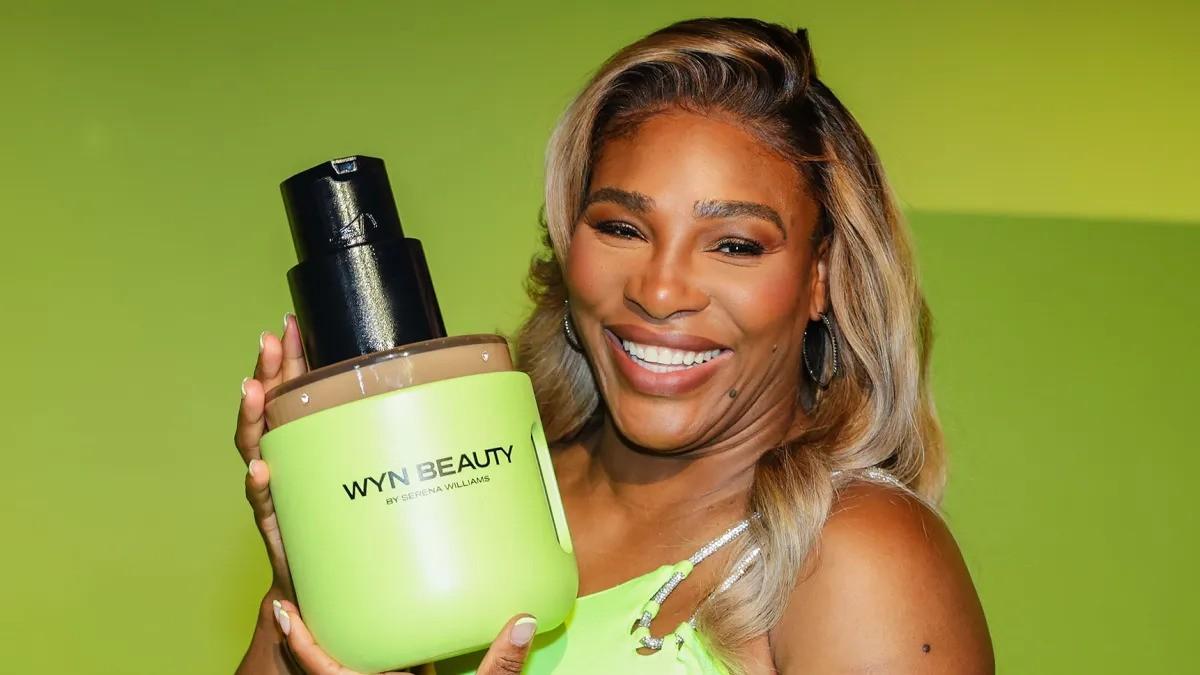
Serena Williams is new to the entrepreneurial game but is turning heads with her approach to the cosmetics industry.
Having founded the appropriately named Wyn Beauty in early 2024, the former Grandslam tennis champion may have taken a step off center court but is well in the trenches when it comes to providing a service for those who are constantly on the run.
“I needed something for my active lifestyle that included hours on the court,” she admits. “Wyn is long-lasting and designed for an active lifestyle that includes sweating and daily living.”
And while stamina is the name of the game in the tennis industry, Williams cites her patience as a transferable quality to her brand endeavors. “I’ve learned to not rush things,” she says. “It took a long time to find ingredients that were clean, but the key is not to introduce a brand until I have it right.”
Stating her gratitude for having ‘the gift’ of a mentor, Williams believes it’s important for young women entrepreneurs to have an established woman to look up to. Williams leads by example, also leading a venture fund that primarily invests in businesses that are started by women of color.
—
As these three entrepreneurs continue to kick ass and further their impact on the world, we at Cydcor will continue to do the same.
The entrepreneurial journey is never easy, but investigating the success of others is a great way to see what’s possible and push the limits yourself!

Here’s what happens when entrepreneurs put serving others at the heart of their business. What could this mean for your entrepreneurial journey?
We’re living in the golden age of entrepreneurship.
In 2023, nearly 5.5 million new businesses were started in the United States—the most ever in a single year. As more entrepreneurs bring new products, services, and brands to market, we can only expect that number to keep rising.
But 70% of startups fail within their first 5 years—a testament to how hard it is for entrepreneurs to cut through the noise and build a business that lasts.
Here at Cydcor, we just celebrated our first 30 years in business. While celebrating this achievement, we’ve been able to reflect on our story, and how particularly difficult those first few years were.
For an entrepreneur to lead their startup toward success, it takes more than just talent and hard work (though putting in the work is crucial). It comes down to the business model.
Creating a business model that can turn a profit—consistently, for years to come—is easier said than done. But there is one element that is present in all successful business models, one that you can implement no matter what industry you are in:
Serve others.
Here’s how serving others supports your entire business model—and why it’s the only path to a sustainable business.

The best businesses begin with the solution to a problem…
Helping someone solve a problem is one of the highest forms of service. If you can create a business that alleviates pain and improves the lives of others, you’re on the right track.
That’s why some of the most profitable companies start almost by accident—launched by entrepreneurs who are not even trying to start a business. They’re just people who set out to fix a problem—and are rewarded for it.
A sustainable business model is based on a mutual exchange between a business and its customers. Starting out, the ball is in your court as an entrepreneur to kick off such a partnership. If your first priority isn’t to better the lives of your customers, it doesn’t matter what the rest of your business model is—nobody will be interested in buying from you.
We live in a world where it seems everyone wants something from us. Putting service above everything is what will set you apart from the competition—and make people excited to be working with you over others.
A business isn’t successful just on the merit that it can extract money from its customers.
A business is measured by the problems that it is solving for others. The money comes afterward. And people feel good paying for something that they know is making their life better.

For a startup to survive, building trust is crucial
What happens when you start solving people’s problems, and put service to them first?
They trust you. If you’re an entrepreneur getting a startup through its first few years, trust is your greatest asset.
When you give to others, they often willingly give back. This could mean referrals, great reviews, or even continued patronage.
Getting trust is what so many entrepreneurs struggle with—because it’s not just about saying you’re here to help, it’s about following through on the promise.
This is where the pack starts to thin. Every business says they’re out here to help people, but only the best allow those principles to carry into their day-to-day actions.

Success is just an opportunity to serve MORE people!
Of course, there is no business model without a mechanism to turn a profit. If serving others first is a means to make money, what should happen when the business is bringing in revenue?
That just means you can serve more people!
If you want your business to last, it’s important to not lose sight of the initial mission. It’s easy to be customer-obsessed and put service first when you’re small and starting out—but it gets harder and harder as you grow.
But if you keep laser-focused on putting service first, new opportunities to help others and drive more business emerge.
With scale comes the ability to lower the price of your service or product while maintaining the quality and margins. Now more people can access your solution than ever before.
Growth also necessitates a larger team. Now, you’re not just serving customers—you’re getting opportunities for people to support their families and build a career.
Profit also gives you the chance to give back. Many entrepreneurs find joy and fulfillment in philanthropic endeavors that go beyond their core business.
If you keep your business model centered around service to others, you achieve a snowball effect. The commitment to bettering the lives of others becomes the means for making a profit. And making said profit is a means to bettering more lives.
This is what separates the startups that fizzle out after a couple of years, and the businesses that continue to grow as the decades roll on.
At Cydcor, we’ve always been in the “people serving people” business. It’s what’s allowed us to grow through our first three decades in business.
Knowing that this is the only business model that can stand the test of time, we’re confident that we’ll continue to grow as the decades roll by.
We hope that this inspires you to put service at the core of your business and career. Apply your entrepreneurial drive towards a business model like this—and you will be rewarded with more than just profit!


For leaders, growth is a pivotal part of running a successful business. But to achieve this, seizing opportunities is paramount. Why? It allows you to gain a competitive advantage, build a strong network, generate new customers, and ultimately, increase revenue.
At Cydcor, we foster a community of collaboration, innovation, and personal connections – all aspects that contribute to finding business opportunities. If you’re a seasoned business owner or just dipping your toes in entrepreneurship, knowing how to find said opportunities is the first step.
It can be easier said than done, however. With so much noise circulating media outlets, markets, and society in general, knowing where to look is at times overwhelming. But with helpful guidance to steer you in the right direction, you’ll soon develop the skill to find opportunities behind every closed door.
Whether you’re looking to expand your company’s reach, or interested in how to avoid becoming stagnant in your business, we’ve compiled four key ways for finding find business opportunities to achieve growth.

It may seem like an obvious first step, but it’s more important than you may realize. It is safe to say that at some point during your academic or professional career as an entrepreneur, the term “networking” has been brought up – and I’d wager it’s been a topic of discussion many times. We all know the importance of building and expanding relationships for the development of a business. Yet, for many of us, we have an aversion to networking. In a Harvard Business Review, it’s revealed that executives, other professionals, and MBA students frequently make it known how much they “hate networking”, but Harvard is here to emphasize it’s a necessity for all business leaders.
Maybe you don’t fall into this category, and networking is one of your preferred pastimes. It should become one if it’s not already, or at least an aspect you learn to implement for your business. Finding business opportunities doesn’t happen overnight, and it certainly doesn't happen without connections built outside of your organization.
Networking can be as simple as a message over LinkedIn, or even other social platforms like Instagram. But despite the spike in digital communication tools since the pandemic, forming in-person connections remains essential for finding business opportunities. So, the next time you receive an invite to a conference or networking event, don’t decline the RSVP. You never know what potential opportunity awaits!

It goes without saying keeping up with the ever-changing landscape of economic trends is crucial for any successful business. Market research not only provides insight into consumer behavior (valuable information about your target market) but is also a sure way to find business opportunities.
As stated by the U.S. Small Business Administration, “Market research helps you find customers for your business,” and blends “consumer behavior and economic trends to confirm and improve your business idea.”
Gathering population data relating to your target market, which can include age, wealth, interests, and more, can help you to better understand possible business opportunities. It’s essential to know if your product or service is in demand in your area, if you’re competing with similar companies, what your customers can afford, and so on. By assessing available information through market research, you can identify any gaps or areas that pose a potential business opportunity.

By luck or through one of the four methods listed here, you’ve come across a rare business opportunity that could make big shifts in your business. You ponder the pros and cons and question if investing in this opportunity is worth the risk. By the time you’ve concluded your decision, your competitor has pounced on the occasion. Just like that, the opportunity is gone.
This happens all too often, and despite developing the skill for finding business opportunities, without action, becomes redundant. In today's competitive landscape, innovation is integral. “You can’t solve many problems with old solutions,” states Harvard Business School.
At Cydcor, one of the core values that define our culture is change and innovation. We believe that adding value to the people we’re working with and serving only happens when change is implemented. Without change, any business will eventually fall victim to the unyielding grasp of complacency. Like quicksand, businesses can disappear without a trace.
Taking risks is a part of life – both personal and professional. For entrepreneurs, starting a business is a huge risk, but we do it anyway because we found an opportunity and took it.
When was the last time your business went through some sort of change? If you can’t remember, it is time to embrace the unknown. So many opportunities await, it’s up to you to take action.

Last but certainly not least is turning to your team. As they say, the backbone of any business is its team, so what better way to find business opportunities than through the help of your fellow work colleagues?
Teamwork is something we’ve learned from a young age, but somewhere along the way, this value becomes blurred for some. If that’s the case for you and your business, we have some advice: cultivate an environment of collaboration amongst team members! The benefits of doing so are endless and can spur creativity, provide diverse perspectives to problem-solving, and, of course, lead to finding business opportunities.
So, remember, finding business opportunities is about building connections, keeping up with or even staying ahead of trends, taking risks, and utilizing the advantage of strength in numbers. Opportunities come as quickly as they go – it’s about knowing how to find them before the fleeting chance slips away.

Spend less time in meetings and STILL walk away with more clarity? These four tips will have you running great meetings in no time.
It is famously said that “time is money,” and that couldn’t be more true for business leaders. Yet, time is frequently wasted in businesses, with one of the main culprits being meetings. Why? They are not being managed optimally. We have all experienced a meeting where the hour drags, talk meanders, and no one is sure what has been achieved by the end. Here at Cydcor, we believe our employees’ time is valuable and should be respected, especially with the popularity of remote working and online calls.
Time management is everything when it comes to successfully running a business, and if it’s one of your weak spots, consider addressing it before it snowballs. To start, let’s focus on running effective meetings. Read on to discover four key points that will ensure your meetings are efficient to get the most out of your precious time!
Plan ahead to save time!
The most basic but crucial ingredient for any successful meeting is an agenda. This simple list is a tool for the meeting leader to refer to if digressions threaten and is a framework for attendees to understand the scope and purpose of the session. Keeping the focus tight helps speed up the meeting because everyone knows what needs to be discussed in the timeframe.
Circulating the agenda a day in advance is a method you’ll use once and never look back. When everyone attending the meeting is prepared and knows what to expect, the more likely your discussions will be on target. Of course, there can be flexibility; the list does not have to be exhaustive or adhered to religiously! However, having guidelines for topics and outcome goals is an excellent way to get everyone on the same page and hone the efficiency of your meetings.

Open communication leads to more efficient processes!
One of our core values at Cydcor is open communication. People tend to perform their best work if they feel heard and encouraged and severely lack when the opposite is given. According to Michigan State University, open communication can lead to increased collaboration and innovation, enhanced trust, creates a more informed workplace, and other benefits.
An effective meeting leader should make it clear that ideas and feedback are welcomed on the topics under discussion. This doesn’t mean it’s a free-for-all, especially with the agenda from above as a guidance tool!
It is an ethos that cultivates an atmosphere where attendees feel comfortable contributing and feeling part of something bigger than themselves. This emotional investment encourages more commitment to the job at hand. By welcoming employees’ thoughts, leaders can be exposed to new ideas and ways of doing things and creativity can flow in environments that promote communication and value individuals within a team.

Collaboration is key for any successful business!
Open communication naturally fosters another key value at Cydcor: collaboration. Running effective meetings does not involve one person dictating to the group. Allowing people to work together and spark discussion of best practices or specialist updates lets employees truly collaborate. As they say, two heads are better than one, especially when it comes to running a business. A team is the backbone of any company and as a business leader, you should take advantage of the wealth of insight and knowledge each individual carries.
It was found that 39% of employees worldwide feel people in their organization don’t collaborate enough, even though today’s workplace is overloaded with collaboration. This is where mediation comes in, along with actually taking into account the ideas shared by team members.
Valuing the different skillsets and expertise around the table, along with providing space for open communication means that people can feel part of a team – and it all starts with the leaders. Teamwork is a vital component of a successful company and meetings that recognize this quality will achieve more meaningful results. Again, this doesn’t mean everyone shouts at once, and multiple meetings a week need to be squeezed in! Building in workshop time or breakout sessions controls the meeting and still encourages collaboration.

A meeting without results is time wasted!
At Cydcor, we measure success based on results with a metric that everyone agrees on. This is just as applicable when running meetings. We have discussed the importance of a clearly defined purpose at the beginning of an effective meeting, but the end is just as vital to manage well.
These simple steps can make all the difference:
Having clear goals within each project as well as a timeline will increase the efficiency of your meetings and make your business unstoppable!


Partnership is everything in business. In our first thirty years, Cydcor has had the privilege of meeting people from around the world, developing relationships, and creating new opportunities for growth and success. Though we live in a digital world, so much of our networking has happened in person, one handshake at a time.
Networking in person, especially as we become more accustomed to doing business online and over social media, can be a little nerve wracking when you’re just starting out. Meeting new people can spark anxiety. Entering new social environments and professional settings can make us feel like we don’t belong. But with a few tips that can shift your mindset around in-person networking, you’ll soon be making great connections like never before.
So, whether you’re off to a job fair, looking for partners in your next entrepreneurial endeavor, or just trying to grow your rolodex, here are three key things to remember the next time you’re networking.

We’ve all been there, trapped in a conversation with a new person, and wondering what to talk about. We want to make a good first impression, while also getting the conversation rolling with a good topic.
The secret is that we all have the same favorite topic: talking about ourselves. Studies continue to show that people like those who ask them questions – and engaging the person by showing genuine interest in them is a proven way to build rapport.
For those who are nervous speaking to new people, this is a great way to take the pressure off yourself. Let the other person do the talking, they’ll like you more for it!
You don’t have to take on the role of a Pulitzer-prize-winning journalist, your questions can be as simple as asking them their opinion on the event you’re attending together. Just because you’re in a professional setting, that doesn’t mean that there isn’t room for authenticity and personality. Ask them about their work, and try to discover what makes them passionate about it.
There is no such thing as a dumb question. Many of us avoid asking the questions we wish to ask because we don’t want to appear dumb. The person won’t think less of you for not knowing, instead they’ll appreciate that someone is actually curious about their insights.
In turn, they’ll start to ask you questions. A good conversation is a balanced one – and by sharing your thoughts and insights, the two of you will be able to discover where your passions, goals, and values align.

As you let the other person speak and share, you’ll be learning more about their wants, needs, and desires. If the goal of networking is creating mutually-beneficial partnerships, then understanding what the other person’s goals are is crucial. This will help you empathize with the person.
Leading with empathy can help you get over your social anxiety. When we get anxious in social situations, it’s because our thoughts are focused on ourselves, not the other people in the room. But when we focus our attention on empathizing with others, our mind stops worrying about our own anxieties. Being socially anxious isn’t selfish, per say, but it does keep us from giving others the attention they deserve.
As we explored in our last blog, authenticity is key to trust. Our anxieties can get in the way of being authentic, as we try to be somebody who’s cooler, smarter, or more successful than we are. But when we focus on other people’s needs, we no longer have the attention to worry about how they are perceiving us.
Referencing things that they’ve mentioned in follow-up questions and offering words of encouragement are ways that you can show empathy to people. This shows to them that you’re not just listening – you’re hearing them.

At Cydcor, candor is one of the behaviors we value. That’s because we want people to feel free to share their thoughts and opinions in order to create lively, impactful, and substantive conversations. So while you’re asking people questions and empathizing with their answers, remember to not leave out your own thoughts.
Many people in networking settings try to people please, agreeing with everything the other person is saying. But we don’t want to engage with those who just tell us what we want to hear – we enter conversations to learn things that are outside of us.
There are ways to show candor in a way that’s respectful – and ways to do it that aren’t. By empathizing with the person you’re speaking with, you can use a differing opinion to further that person’s perspective, rather than just trying to prove them wrong on a topic.
Collaboration is the key goal of networking. Would you want to work with someone that parrots your ideas, or someone with a different perspective on arriving at a shared goal?
With these tips, you’ll be having meaningful conversations with new contacts in no time. As you dive into in-person networking, remember this: in order to start collaborating with all the professionals you met, you have to follow up with them!
We live busy lives – and can even forget the best conversations if they’re lost in the shuffle. So whether by email or social media DM, get the ball rolling quickly after the first contact has been made.
Now that you have the tips, time to build the skills! Maybe we’ll see you at our next networking event.


At Cydcor, we’re in the people helping people business. That makes networking with our clients, community, and the independent ICL businesses in our network, central to what we do. Whether you’re just starting a career in business, or an entrepreneur trying to expand your horizons, you likely hold networking in just as high a regard!
There was once a time when networking happened in university classrooms, social clubs, and even in the bar on Saturday night, but these days most people have gone digital. Over 700 million professionals use LinkedIn to connect with peers in their industries and even Instagram is being used to forge new business opportunities and collaborations.
But while the digital revolution, accelerated by the pandemic, has boosted the power of online networking, are we losing sight of the in-person opportunities that are right under our noses?
At Cydcor, we strive to create progress through innovation, which means incorporating all the new technologies at our disposal. We also believe that one-on-one personal connections are what drives both a solid business and a happy life. That was one of the many reasons why we had so much fun at our National Conferences last August!
Let’s explore the benefits of seeking out in-person networking opportunities, in a world that puts an emphasis on the digital.

In the wake of the pandemic, one of the things we quickly realized is that trust is difficult to foster in online spaces. Harvard Professor Frances X. Frei and Leadership Coach Anne Morriss, writing for Harvard Business Review, discuss what they call the “Triangle of Trust,” which cites authenticity, logic, and empathy as three key drivers of trust.
Thinking about our difficulties in creating trust in online spaces, authenticity comes to mind. Social media, direct messages, and other forms of communication allow us to filter and edit our thoughts and ideas before we hit send, but that makes it difficult for the person on the other end to get a picture of the real us.
Trust is key in business and in life. Building relationships with the people you want in your network is all the more easy when you are able to show up authentically to them. The easiest way to come across as the real you, is to network in real life!

We’ve all heard that 90% of communication is nonverbal. While that commonly shared stat is a bit inflated, findings from body language researcher Albert Mehrabian revealed that 55% of communication is nonverbal, 38% is vocal, and only 7% actually comes from the words being said.
If you’re trying to engage a new business partner, start a professional relationship with a prospective employer, or simply grow your network, communication is your greatest tool. Online communication negates the power of body language and can, in text formats, make it difficult to infer tone.
We’ve all been there – wondering how many exclamation marks to put in our emails (enough to sound enthusiastic, but not too many that we sound over eager) and going through careful editing to make sure none of our ideas will be misinterpreted.
When networking in real life, these problems solve themselves in real time. Our bodies communicate our feelings in addition to the words we are saying – and any needs for clarification can be addressed in the moment.

Look, online networking is still a powerful tool. You should be using both online and in-person means to grow your connections both personally and professionally. But all the options online can make networking overwhelming at times.
Platforms like LinkedIn connect us to professionals from all over the world. This is great, but with the entire globe at our fingertips, where do we even begin?
In-person networking allows us to narrow our focus onto our specific local community. Less options means we spend less time wondering who we should be connecting with – and more time actually forging meaningful professional relationships.
You may be surprised about the opportunities that have been right under your nose this whole time. We can often get so wound up in the global perspective of the internet that we miss out on what’s happening in our own backyards.
We’re not just networking to meet new people (though that’s what’s so fun about it). We’re looking to build relationships and work alongside people who complement our skills and strengths. The goal of your networking efforts is to start collaborative partnerships, so part of the process is creating environments to do just that.
When you network in person and within your local community, you’ll end up in town with the people you are working alongside. This makes any partnership easy to logistically facilitate. There’s no working around multiple time zones, sending projects back and forth over email, or the like. Just as networking happened face-to-face, so can the ensuing collaborations!
The work you accomplish won’t be the only thing strengthened by such an environment – your relationships with your business partners and associates will be deepened by the proximity you share.
So now that we’ve explored the power of in-person networking, you may be wondering if we have any tips for networking face-to-face. Stay tuned for our next blog, where we’ll be sharing how to meet strangers, forge connections, and grow your network!

The summer may have recently come to an end, but we’re still coming down from the excitement of Cydcor’s 2023 National Conferences (NatCon). In the space of three weeks in August, we held events in Round Rock, Texas and Montreal, Quebec for our retail, B2B/residential, and Canadian Conferences. Our theme, GAME ON!, kept the energy high at each 2-day event.

There were plenty of awards, thousands of attendees, and our itinerary was packed from start to finish–but the best thing about NatCon was the opportunity to connect with the ICLs in our industry to share, network, and grow together.
When we approached putting on this event, we had two goals in mind. First, we wanted to honor and celebrate the success that many of the entrepreneurs, business owners, and ICLs in our network have accomplished this past year. Second, we wanted to bring everyone’s thoughts, perspectives, and ideas together so that we can inspire and support the future growth of our industry.
We wanted to design an environment for professionals and entrepreneurs to network, make new connections, and learn from the industry's top minds.
This may have been a summer-ending bash, but the ICLs in our network are only getting started when it comes to success. Top sales producers were invited to share their knowledge in breakouts–and the Cydcor Leadership Team was also there to share insights with entrepreneurs looking to take their business to new heights. Our CEO Vera Quinn, CRO Rich Mangafas, and Executive Chairman Gary Polson all led their own breakouts to share their unique perspectives on business.
We believe that the ultimate success is to keep growing and leveling up one’s ability to serve the world through their career and entrepreneurial spirit. As we look ahead to the future, one thing is clear: it’s GAME ON!
We also believe that success is not a zero sum game–so by celebrating the achievements of outstanding individuals in our space, everyone can get a big picture view of the opportunities that are out there in the industry.
Powerful stories were shared, as top performers and consultants spoke about their journey and how they got to where they are today. Top female sales owners hosted a women in business breakout in which they shared tips and wisdom they’ve learned through their careers. A panel highlighting Black entrepreneurship was an integral point of NatCon, with leaders sharing their keys to success.
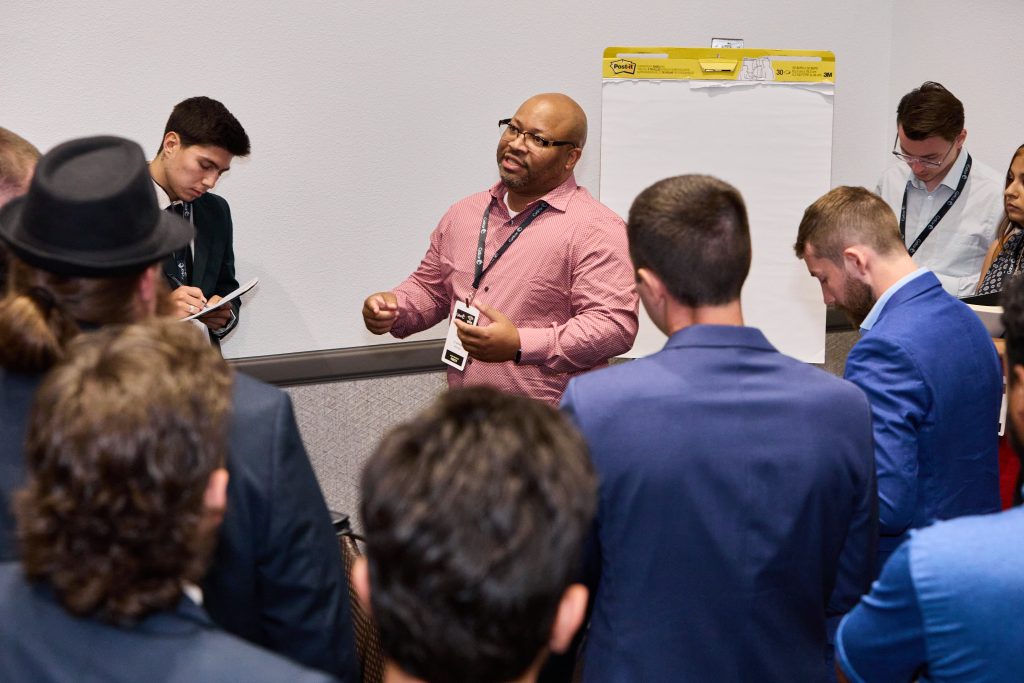
While there was lots of learning and networking going on–there’s always room for fun at Cydcor events. NatCon is our Superbowl–and the atmosphere at each event reflected this. We’re grateful to the Kalahari Resort in Round Rock, Texas, for having us for our Retail and B2B/Residential Conferences; and to Hotel Bonaventure in Montreal, Quebec for hosting our Canadian event.
At each event, a cocktail reception gave way to the main event of NatCon: an awards ceremony that honored the success of the top performing office owners in our industry. These events are attended by highly motivated individuals–working for ICLs from across the nation–and this recognition of achievement brought lots of excitement and momentum.
Each of our three events came and went like a blur (we guess time really does move fast when you’re having fun!), but the spirit of NatCon 2023 lives on as we move to close out the final quarters of the year.
In closing, all attendees were left with a big question: “What does GAME ON mean to you?”
If NatCon 2023 was a celebration of what’s possible right now, we can’t wait to see the accomplishments that NatCon 2024 will be honoring.
For us, it’s time to get back to work! We’re people helping people–and we will spend the year building up to an event that even more entrepreneurs in our industry can be a meaningful part of.