
Discover practical advice, inspiration, and insights to help you succeed in business and grow both personally and professionally.

Found 0 posts

Don't forget to follow Cydcor's channel on YouTube for our latest company videos: https://www.youtube.com/user/Cydcor
Some people believe that a great salesperson is born, not made: that the ability to close a sale is a gift that one must be blessed with at birth. Well, those people are wrong.
Certain people might have an outgoing personality that gives them a bit of an advantage when it comes to networking or closing a deal but the true qualities of a great salesperson aren’t genetic—they’re learned and improved upon with practice.
What qualities does a great salesperson possess? A great salesperson looks just like you. But in order to release the successful salesperson within, you need to identify the qualities a good salesperson must possess in order to achieve success.
As you review this list of qualities a great salesperson must possess begin to make a list of the qualities that you believe you lack or need to develop. Be honest in your self-assessment. If possible, get input from your team, supervisor or sales manager.
Doing this exercise on your own is a powerful technique for improving your sales skills. Including your team members or manager in this process lets them know that you’re motivated and committed to continuous improvement.
You need a plan if you are going to succeed in sales. A great salesperson identifies their goals and keep them in the center of their vision: obstacles never sidetrack them.
You’re not just interested in making a sale. You’re building a long-term relationship with your colleagues and clients. A great salesperson cares about the person as well as the sale.
You always make a great first impression and you enjoy meeting people and hearing about their job, the obstacles they face, and the values that are important to them. A great salesperson listens and remembers.
You know that you have the skills required to get the job done. If you encounter rejection you keep moving forward, understanding that it’s part of the process. A great salesperson never gives up.
You have all of your materials ready whenever you need them. You have internalized your company’s message and methodology. A great salesperson provides solutions for all of their clients’ pain points.
You build your interactions with your customers by developing positive interrogative engagement. Questions are specialized tools you use to identify your customers’ obstacles and objectives. A great salesperson is curious and insightful.
You have a friendly personality and you bring positive energy to all of your encounters. Your customers look forward to working with you because you leave a positive impression upon them. A great salesperson leaves people smiling.
You must get the job done. You understand that making a sale is an urgent problem and that it needs to be solved in a timely manner. Nothing will get in your way because you’re determined to solve the problem in front of you. A great salesperson gets results.
You might hear a no but you don’t accept no as an answer. You’re equipped with the ability to control conversations and will not give up on your pitch. A great salesperson is a gifted storyteller who engages his or her audience.
You understand that success in sales is not won; it’s earned through hard work. You recognize the importance of competition and know that you have to seek opportunities—they won’t come to you. A great salesperson shows up and does their job every day, despite disruptions and without delays.
As you review this list of qualities that make a good salesperson you may identify areas for improvement. Recognizing the need to improve is not a sign of failure. It’s an indicator that you have what it takes to succeed as a salesperson. Are you ready to become the best salesperson you can be?
What qualities make you a great at your job? Did we leave anything out of this list? We want to learn from your experience. Please share your thoughts on our Facebook page and post this article on your social media. Let’s start a great conversation.
We are Cydcor, the recognized leader in outsourced sales services. From our humble beginnings as an independent sales company based in Canada, to garnering a reputation as the global leader in outsourced sales, Cydcor has come a long way. We've done this by having exceptional sales professionals and providing our clients with proven sales and marketing strategies that get results.


“Most people live and die with their music still unplayed. They never dare to try.”
– Mary Kay Ash, Sales Leader and Founder of Mary Kay Cosmetics
Initially, an entrepreneur was a confident man or woman with a deep vision of business. They were convinced that their idea was going to be the solution thousands of customers needed. That’s still a valid definition of the word today or, at least, up to a point.
You know this type of entrepreneur if you’ve ever watched the television program Shark Tank. On each episode intrepid innovators make the pitch of their lifetime to a group of business experts—the sharks. Sometimes an idea that sounds a bit whacky when you first hear about it actually makes sense during the pitch. At other times a sensible idea falls apart fast when the people making the presentation haven’t done their homework.
But these entrepreneurs have an impulse: they want to do or make something better. They have professional insight that makes them believe in their ideas.
Learn more about Cydcor on our business profile on D&B's Hoovers.
Entrepreneurial spirit isn’t limited to billion dollar startups or someone working in their garage on the next-big-digital-thing. It’s possible to embrace an entrepreneurial spirit while you’re working just about anywhere. The key to developing one is to be open-minded, curious, and committed.
Developing your entrepreneurial spirit requires the correct mental motivation. You have to bring the right attitude to your work in order to develop the ability to see opportunity instead of obstacles.
Entrepreneurs work in a competitive space that requires courage. Many people are afraid of competing in business, but don’t back away from a struggle. Use the fear as a catalyst to awaken and engage your inner entrepreneur.
Here are some tips to help you find your entrepreneurial spirit:
You Get Things Done
An entrepreneur tests ideas and learns from the feedback. Act on your inspiration. Make a presentation that explains a new process. Share it with your team or your supervisor. If there is an extra assignment available take it on: an entrepreneur has the drive required to get it done, no matter what the obstacles may be.
You Take Thoughtful Risks
You’ve nurtured the ability to be agile and adaptable. You’re able to produce as part of a team but can also work on a project by yourself and frequently make strategic decisions. Understand that taking risks delivers rewards if you’re successful, but there could be problems if you fail. You’ve developed ease with risk because you’ve done the research. You don’t guess. You make thoughtful decisions that are integrated into your plan.
You Always Ask Questions
You’re uncomfortable with the status quo. There is always a way to improve processes and methods for doing routine things more effectively. You question accepted wisdom and aren’t afraid to speak out against the traditional way of doing things because your ideas will improve the process.
You Emphasize the Positive
You get excited when you face a challenge and enjoy pushing boundaries when you’re in pursuit of a goal. You never think about what you can’t do. You focus on the positive and get other people who work with you excited, too. If one approach doesn’t work, you have another option to try. You don’t find blame—you find solutions.
You Give Voice to Your Passion
Your enthusiasm for your work is captivating. It reveals your passion and the depth of your commitment to reaching your goals. You have a deep understanding of your industry and bring your energy and expertise to all phases of problem solving. When in doubt, remember these powerful words from Warren Buffet: “Without passion you don’t have energy. Without energy, you have nothing.”
Go ahead. Embrace the entrepreneur within. It’s time you did.
How have you developed your inner entrepreneur? What strategies do you use when you decide to turn obstacles into opportunities? We would love to hear your thoughts about this topic. Please comment on our Facebook page and share this article on your social media.
We are Cydcor, the recognized leader in outsourced sales services. From our humble beginnings as an independent sales company based in Canada, to garnering a reputation as the global leader in outsourced sales, Cydcor has come a long way. We've done this by having exceptional sales professionals and providing our clients with proven sales and marketing strategies that get results.

We reward Olympic athletes with gold medals for setting records. We value the person who is able to compete and win on their own terms. But athletes don’t win races on their own: these exceptional people train every day and work with coaches who teach them how to perform under pressure.
Think of yourself as an athlete in your own life. When you’re entering a time of increased pressure you need to continue to train. You also need to share what’s going on with your team at work and your family and friends.
As we take on more assignments we begin to feel pressure, and that pressure brings on stress that’s bad for your health, destructive to your productivity, and complicates your personal life. Here are some strategies for handling pressure at work and at home from Cydcor. Experiment with these tips, and over time, you will develop your ability to achieve success under pressure.
Cydcor is hiring! Head over to CareerBuilder to learn how you can join the Cydcor team today.
Be a Good Communicator
Alert your supervisor when you’re entering a stressful time. If you decide that you’ll have a problem completing your assignments you must inform your supervisor. If you’re unsure about getting something done you need to be responsible and professional enough to ask for help. Be proactive and raise a red flag when you see trouble on the horizon—not when your ship has started to sink.
Control Your Emotions
Problems will arise and pressure will grow depending on time, resources, and the difficulty of the assignment. We often react emotionally when we start to experience pressure at work. Some of us perceive pressure as a challenge while others might experience it as a threat. While emotions make it hard to think clearly and limit your ability to solve problems, know that it’s okay to feel the emotions. Transform them into the energy required to complete the task.
Make a Plan
Climbing a mountain seems impossible, but taking one-step forward is a much more manageable goal. Get the pressure you’re feeling out of your head and onto paper. Break it down into smaller tasks. Be specific. Assign a time frame for each of the steps. If possible, delegate tasks. Make notes about the process once the task is complete so you’ll have an even better plan the next time a similar situation occurs.
Cultivate Bravery
Sometimes, pressure appears seemingly out of nowhere. When something goes wrong you need to be brave. It’s time to change your thinking. Instead of choosing panic, recognize the problem and then tell yourself, “Well, that’s inconvenient, so it’s a good thing I have my notes and I’ve practiced for this situation.” Bravery comes from practice and experience. Imagine what could go wrong and develop some possible responses. Write them down. Visualize yourself completing the tasks in a calm and relaxed manner.
Take Care of Yourself
During times of high pressure it’s easy to get distracted and forget to take care of yourself. It’s at these times that you need to be most aware of your health. Avoid fast foods or unhealthy comfort foods. Eat a balanced diet, drink lots of water, schedule short breaks during the day, get plenty of sleep, and try to get some type of exercise everyday. It relieves stress, lowers your blood pressure, and improves your mood.
Check out other blogs full of business advice from Cydcor, including Building and Maintaining Customer Relationships.

Learn more about Cydcor by connecting to us on LinkedIn! https://www.linkedin.com/company/cydcor
Every morning as you prepare for the day you face a simple choice: how are you going to accept the big and the small obstacles that you encounter during the day? Will you let these challenges become impossible obstacles or will you think like an optimist and turn them into opportunities?
Optimism is the tool you need, and the good news is that it can be developed. To engage your optimism, you need to mature the ability to pause for a moment when you encounter an obstacle. During that pause, begin to reframe what you’re seeing. Learn how to see an obstacle as an opportunity. Optimism isn’t a gift you’re born with—you develop it with practice and eventually you will become an authentic optimist, ready for any opportunity.
Consider these 5 ways an optimistic attitude will create positive results in your life. Try one at a time. Remember that becoming an expert with a new tool takes practice.
Acknowledging the good that you already have in your life is the foundation for all abundance. - Eckhart Tolle
It feels good to start your day with a grateful attitude. Your attention moves from the negative to the positive. Consider the good things in your life and your successes; even the small things are important. At the end of the day, before you fall asleep, think of five things that you’re grateful for and feel the happiness they bring to your life.
What matters most is not what these obstacles are but how we see them, how we react to them, and whether we keep our composure.- Ryan Holiday
If you identify something as an obstacle, your mind will respond with ways to make repairs; That means your energy is heading in the wrong direction- toward the negative. When you correctly identify a task, assignment, or a deadline as an opportunity, you begin to activate your optimism and align your skills toward a positive outcome.
Learn more about what Cydcor does for clients and team members by watching our latest video on YouTube.
You do not need to be a victim of worry. Reduced to its simplest form, what is worry? It is simply an unhealthy and destructive mental habit. -Norman Vincent Peale
Low optimism is evident when you’re confronting feelings of anxiety and fear about the future, which often leads to rumination, a negative type of self-talk that imagines everything that could go wrong. An alternative to ruminating is imagining the positive. Create a movie in your head that visualizes your confident self, feeling powerful and achieving success.
People may hear your words, but they feel your attitude.- John C. Maxwell
Language defines our emotional state and creates the space in which we respond to a challenge. Instead of saying, “it’s impossible,” say, “it’s a challenge.” Shift your “no” toward “yes”. Stop complaining about personal problems and things that are getting you down. Greet the people you encounter with an optimistic response. If someone asks, “How are you?” Your response will be, “I’m doing great today.” Optimism is powerfully contagious and will make a great impression on the people you meet.
No one knows more about optimism than a Cubs fan. After waiting 104 years, it's our optimism, and not the winning, that binds us together. We really do believe the next year will be the year. -Grant DePorter
Begin to pay attention to sources of negativity in your life. Does listening to the nightly news lead you to feeling sad? Then find a commentator or writer who answers despair with hope and celebrates positive stories. Volunteer your time working on a cause that helps others. Cydcor provides employees with an opportunity to support Operation Smile. Joining a group that’s doing good means you’re making the choice to be around optimistic people. Eventually, their optimistic view of things will contribute to your success as your optimism also grows.

Cydcor is dedicated to helping business professionals take the next step in their careers. For additional blogs regarding business, leadership, and sales advice, head over to https://www.cydcor.com/media.
Sales professionals have a natural impulse to focus attention on developing new customer relationships in order to land new accounts. It’s a good impulse, but it’s one that you need to manage in order to maintain existing customer relationships.
At Cydcor, we’re interested in pursuing new opportunities, but we also understand that you can’t forget current customers in the pursuit of new possibilities. Customer relationships aren’t over once you close the sale. It’s the start of a long-term partnership that will benefit your company and your customer.
Here are some strategies for building—and maintaining—great customer relationships.
Remember Their Names
Whether you’re working with a small company or a large corporation you’ll be working with an individual—a person. He or she has a family, a birthday, a new child, or a feisty puppy. Get to know your customer. Include a few notes in your contact management system to help you remember personal details that distinguish them. Personal knowledge provides a way to start a sales conversation. Reach out on your customers’ special days and they’ll remember that you made an extra effort when they have to make purchasing decision.
Become a Solution Center
Offer your customers the resources they need to stay informed about changes, improvements, and up-dates in the service you provide. If your company offers a newsletter make sure that your customer knows about it. When you find articles, books, or webinars that might be useful to your customer remember to share them. Call out the information that will be valuable to them and their particular problems. They’ll appreciate that you personalized the information for them.
Monitor Customer Relationships with Social Media
Research by Zendesk says that 45% of customers shared bad customer experiences and only 30% shared good customer experiences on social media. This information is an important tool for building customer relationships. Follow your customers’ social media accounts on Facebook, LinkedIn, and Twitter. Listen to what they’re saying and you’ll be able to fix any issues if they happen.
Customers Are Team Members
Include your customers in events that matter to them, to your company, and his or her company. If your department is hosting a networking event or is launching a new service make certain that your customer hears about it. When you’re working on improving your team’s internal processes get your customers’ feedback. Show them that you value their business and their professional expertise.
Keep up with the latest updates from Cydcor by following us on LinkedIn: https://www.linkedin.com/company/cydcor
Keep up with the latest company news and announcements from Cydcor by connecting with us on LinkedIn.
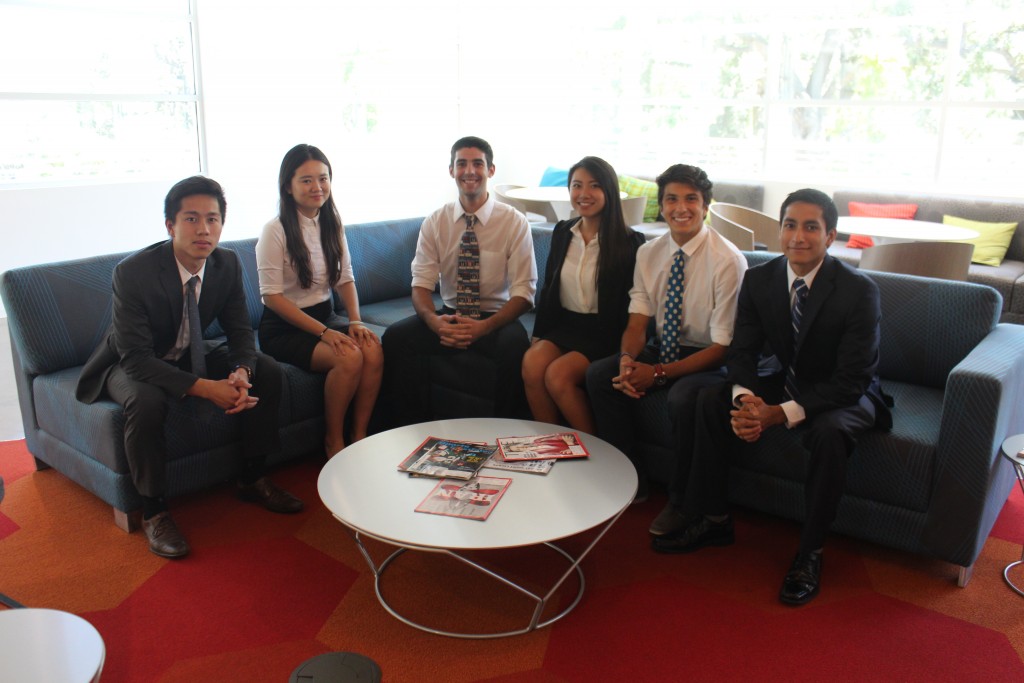
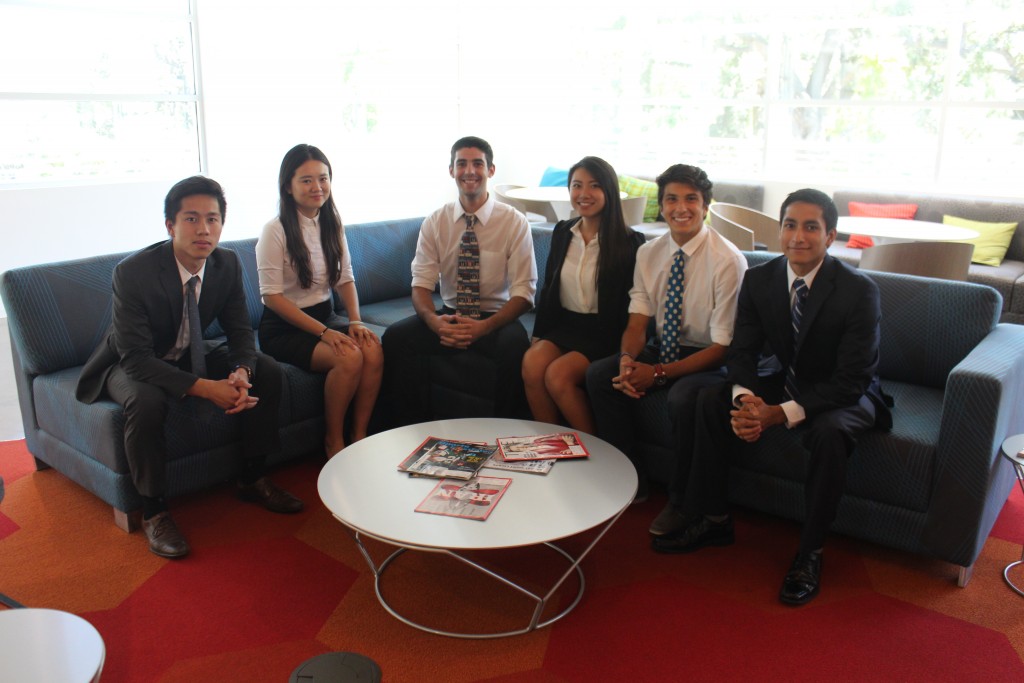
Cydcor, the leading provider of professional in-person sales teams, provided a select group of students the opportunity of a lifetime: an internship program at Cydcor’s offices in Agoura Hills, CA. Each year, the company provides gifted students with the prospect of building business experience in a real-world corporate setting. Their assignments are designed to match their current interests or studies, such as event planning, finance, or marketing. The interns receive special training and are expected to accomplish real work in their departments. Cydcor is proud to provide this opportunity each year, and help these talented students craft a vision for their professional life after college.
Cydcor’s Summer 2015 interns provided the following feedback on their experience working at our offices in Agoura Hills, CA:
Juan H.

People here at Cydcor are very welcoming and help interns experience the real business world by treating them as an employee who belongs to their team. In several projects that I worked on, I had the freedom to use my own methodology. For example, when Crystal Fernandez assigned me new tasks, I had the freedom to use the approach I was most comfortable with. One of the best things of working at Cydcor this summer was the opportunity to attend Lunch and Learn. It provides interns the opportunity to explore different departments within the company, and to understand the culture of the company.
What role did you have as an intern, and what was your primary project?
I worked as a business development analyst. My main role within this internship was to provide effective and accurate market research because we are looking for future opportunities to expand our business. Furthermore, this position provided insight into consulting jobs since I was assigned to work on several issues within the department.
How would you describe Cydcor’s company culture?
Cydcor has a unique culture because its main objective is to enhance employees’ productivity by providing them a happy, relaxed, and professional environment. Companies are always concerned about their dress code and professionalism, but what is different about Cydcor is that we perceive results from internal sources rather than external ones. What I mean is that Cydcor’s dress code is less strict than those in other corporations because their main goal is to make an employee feel at home and happy. And when you have happy employees, you get better productivity, efficiency, and good results.
What experiences and new skills gained were most valuable?
After working for Cydcor, I was able to nurture my skills regarding market research analysis, executive decisions, and teamwork experience. Yet, the most valuable skill I gained was time management. My supervisor Crystal Fernandez helped me develop organizational and planning skills because she wanted me to always plan my activities following a schedule, which I feel is a great asset since it enhances one’s output.
What would you say to other students considering an internship at Cydcor?
If you are someone who puts the time, effort, and passion to learn new things, then Cydcor is the right place for you to learn. This company not only gives you the opportunity to express your ideas, but your idea can potentially become one that the executive board could implement. How great would it be for student to have your idea implemented by a company? If you want to contribute to a company’s change and structure come and join Cydcor.
Julian G.

My journey at Cydcor has been very unique. From the moment I had my first interview, I knew this is where I wanted to spend my summer. Everyone was extremely friendly and humble, and they even told me they would provide me with mentorship and free lunch. What more could a student ask for?
What experiences and new skills gained were most valuable?
Cydcor’s program has been both fascinating and challenging. They not only provided me with interesting tasks, but they were also very challenging. It allowed me to learn every day, developing skills in Excel and Business Intelligence, a software application used to analyze an organization’s financial data.
What would you say to other students considering an internship at Cydcor?
I highly recommend interning at Cydcor because I believe that the things I have learned during the internship will give me a competitive advantage when recruiting next year for a full time job.
Yangzi Z.

There were many things I enjoyed this summer at Cydcor: the working environment, company culture, the mentorship program, and the Lunch and Learn workshops. And the coolest CEO!
What role did you have as an intern, and what was your primary project?
I worked in the accounting department, mostly providing support. I also worked on several projects, including profitability analysis, invoice reconciliation, invoice recording, bank statement reconciliation, and client financial statement analysis.
How would you describe Cydcor’s company culture?
Company culture is my favorite thing about Cydcor. Personally, I think instead of being a corporate company, Cydcor is more like a big family. Everybody is so close to each other and overall it is a great place to work, learn, and grow.
Tina H.

The working environment is collaborative and energetic. I got to learn about what different departments do and how the entire company functions. The people here are friendly and always willing to help.
What role did you have as an intern, and what was your primary project?
I was working for compliance and quality assurance. My primary projects were audit projects to ensure we have quality sales.
How would you describe Cydcor’s company culture?
Cydcor’s company culture is very friendly and collaborative.
What experiences and new skills gained were most valuable?
I really enjoyed the intern project I worked on with all the other interns. I think it’s challenging and helped me improve my problem solving and team work skills. Being in an office and working on real life tasks also helped me learn about how I should act in a business setting.
What would you say to other students considering an internship at Cydcor?
It’ll be a fun learning experience. Don’t miss out.
Miguel B.

What role did you have as an intern, and what was your primary project?
My role as an intern was to help out HR and Learning and Development with the open enrollment presentation and the new hire surveys.
How would you describe Cydcor’s company culture?
Based off my personal experience, I would describe Cydcor’s culture as motivating, enthusiastic, positive and joyful.
What experiences and new skills gained were most valuable?
I think the graphic design and video-editing skills I developed was the greatest thing I took away from this experience.
What would you say to other students considering an internship at Cydcor?
I would tell them how great of an experience I’ve had and how much I’ve learned over the course of 10 weeks.
Sam C.

The office has a pool table, Ping-Pong, a lot of free food, and a gym. I have friends that spent their summers getting coffee, making copies, or refreshing their emails. I also think that having other interns my age and sharing a group project was great for my overall experience. I am also working in the newest department at Cydcor so there isn’t really a “protocol” on how to do things, so in my projects I was given a lot of freedom.
What role did you have as an intern, and what was your primary project?
I worked on a digital resource center that the field can use with all of their sales and to make their training more efficient. I also was one of six interns working on the internship project. For the project, we came up with specific recommendations to improve the company and presented our findings to the executive team.
How would you describe Cydcor’s company culture?
It’s welcoming. I think that the people around me reached out at all times and I never felt like a burden, but that people genuinely want to help. I feel as though I know many different people in this big office from all different departments. The atmosphere can be fun and relaxed, but also motivated and focused on the work that needs to be done.
What experiences and new skills gained were most valuable?
I think just being in a real world environment is the thing I will take away the most from this summer. I would also say that working with other people to solve problems has been a skill I have acquired or improved this summer.
What would you say to other students considering an internship at Cydcor?
I would say be prepared to meet a lot of great people and that it is a fun time. I would say that you are going to work hard, but the work is meaningful and it is for people you like and respect.
Head over to https://www.cydcor.com/careers to learn how you can join the Cydcor team today!