Discover practical advice, inspiration, and insights to help you succeed in business and grow both personally and professionally.

Found 0 posts
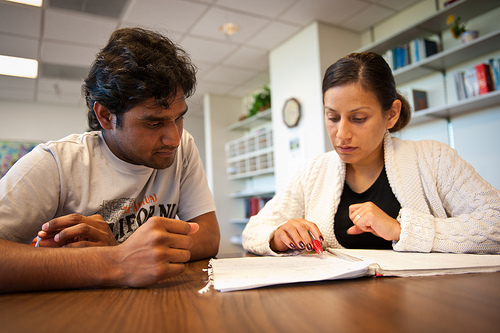
A mentor is a guide and counselor who provides career advice and support. This relationship—also a process—often involves a younger person seeking out the guidance of a more experienced employee or supervisor.
In some cases, a mentor provides this service as way to do good or “pay it forward.” Perhaps someone in their past took the time to help them out in their career development, and to honor the kindness and help they received, they seek to share their abilities with someone new.
Some schools, companies, and social organizations may have formal mentorship programs that match a more experienced person with a less experienced person.
One of the keys to a successful mentor and mentee relationship is enthusiasm. You should only pursue start the process if you’re honestly interested in developing your professional skills and committed to paying attention to the lessons a mentor has to offer. Before you seek out a mentor, review your goals and expectations.
A Mentorship Self Review
What do you want to learn from a mentor?
A mentor could teach you about the qualities required to be a good leader. A mentor might also teach you a technical skill—how to master a piece of sophisticated software—that will also take time to learn. A mentor could coach you on professional skills related to sales and business. Before you approach a potential mentor you need to know what you expect to learn and communicate those expectations to your mentor.
Are you ready to go back to “school”?
Finding a mentor and improving your professional skills is a great idea. You need to listen to what your mentor says and do what they tell you to do. It’s a bit like being back in school because you must be willing to follow their orders. You have to do your “homework” or you’re wasting your time and—even worse—your mentor’s time.
Do you have the time to commit to learning something new right now? Calculate the amount of time you’ll work with your mentor weekly. Figure out how much time you’ll need to study and practice your new skills. You’re going to need to schedule time for reading and studying. To sum it all up—do you have time to work with a mentor and commit to learning a new skill?
Important Qualities to Look for in a Mentor
Wisdom This quality covers a lot of ground. You want to find someone with experience that relates to your career path. But, more than that, you want someone who has the ability to review their own experience and pick out lessons that are important to share. The mentor needs to be able to identify key lessons insights that you will be able to learn from.
Authentic Working with a mentor involves an honest exchange of information, questions and answers, and sharing experiences. You’ll learn about your mentor. Your mentor will learn about you. He or she should be interested in hearing about your experiences, interests, and questions. If your potential mentor is only interested in telling stories about their success, you won’t have an authentic experience. It’s a waste of your time.
Trustworthy Asking someone to become your mentor can be risky. You might approach someone who you’ve worked with closely in the past and whose character you understand. You may also recognize that there is a colleague from another department or someone you know from your professional community. Working with them in an honest way may require that you confide in them and share some of your professional ideas and work experiences. Is the mentor you have in mind worthy of your trust?
Engaged You’re selecting a mentor based on their knowledge and experience. You’ll benefit most from a mentor whose experience is informed by a complete understanding of past and current practices in your industry. You want to improve your skills and build your mastery of a skill or process. This isn’t a history lesson. Your mentor must be engaged, open-minded, and love learning just as much as you do.
Learn more about Cydcor and what we do by checking out our latest videos on YouTube: https://www.youtube.com/user/Cydcor

Recent research has revealed that people perform better at work and in life if we practice strategic renewal. If you’re rundown you’re more susceptible to getting sick and miss days from work.
You need to get more sleep during the week, scheduling daytime workouts, eat healthy foods, and enjoy rest and relaxation away from the office with your team members whenever possible.
These simple changes in behavior are guaranteed to improve your attitude about work your performance at work—and maybe even your beach volleyball skills.
Humans aren’t designed to run on high level without having a period of rest and relaxation. You need a time for renewal. It allows you to relax and rejuvenate your mind and body.
That’s why Cydcor’s R&R Cancun 2015 is such an important event. It celebrates your accomplishments and reminds us all that we need to take a moment to stop and smell the frangipani.
Here are some of the specific benefits of rest and relaxation whether you’re on the beach or in your own backyard:
Restores your energy: You need to recharge you batteries in order perform at peak effectiveness throughout the day. Rest and relaxation is part of your work cycle and taking advantage of it whenever possible will improve your productivity.
Repairs your body: Our bodies repair themselves from daily wear and tear when we rest. Rest and relaxation reduces stress and improves overall health. You’ll be able to easily work a full day.
Improves your focus: An active mind gets tired just like an active body. Including time to quiet your thoughts and letting your mind rest is part of the healing process. You’ll improve your ability to concentrate and problem solve at work.
Improves your mood: Relaxation makes you feel happier. When you choose to think about things that make you feel good, you’ll discover that you actually feel more positive about the challenges you face at work. You’ll begin to see obstacles as opportunities.
Increases your creativity: Too much stress and activity often disconnect you from your creative potential. Rest and relaxation will allow you to regenerate as an individual and as a team. Your ability to create and innovate as a team member and as a cohesive group will be improved when you return to work.
Keep up with the latest posts from R&R 2015 by following Cydcor on Instagram! https://instagram.com/cydcor/
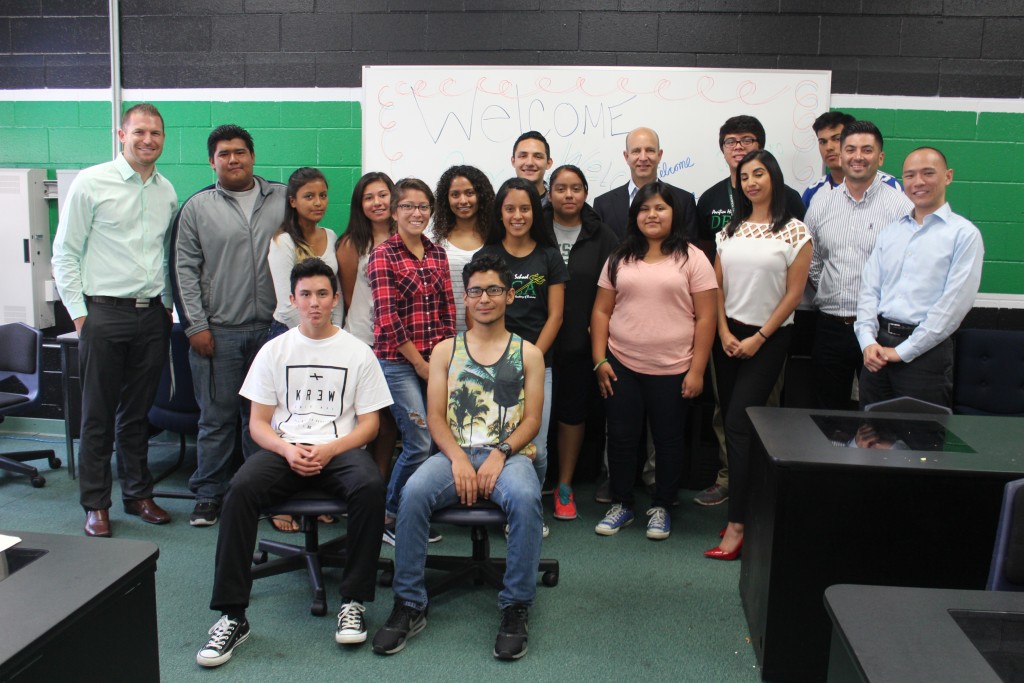
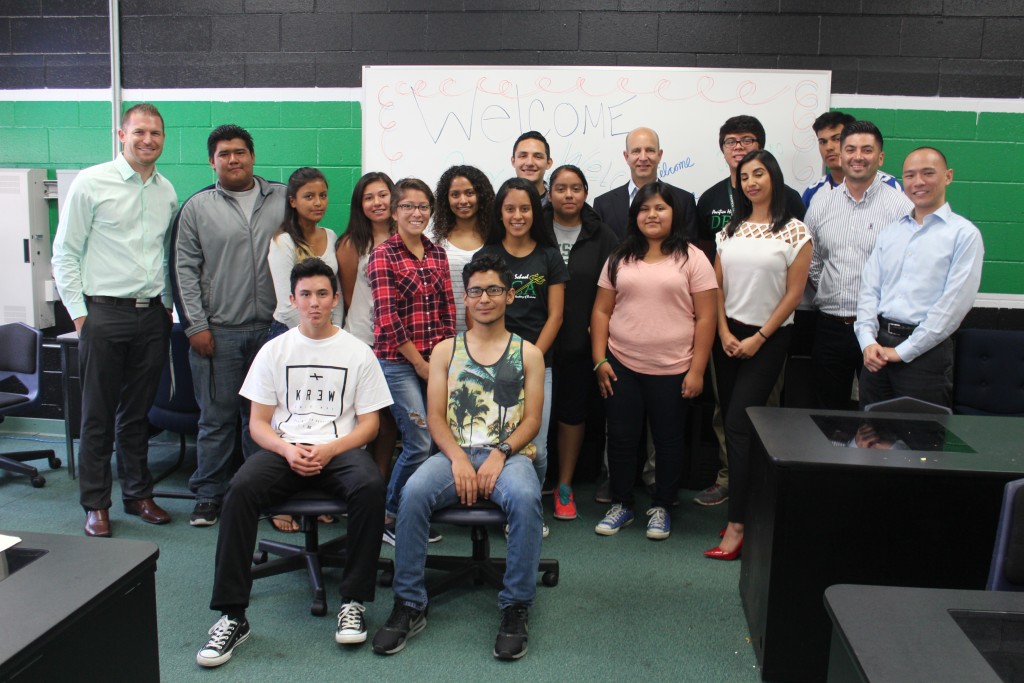
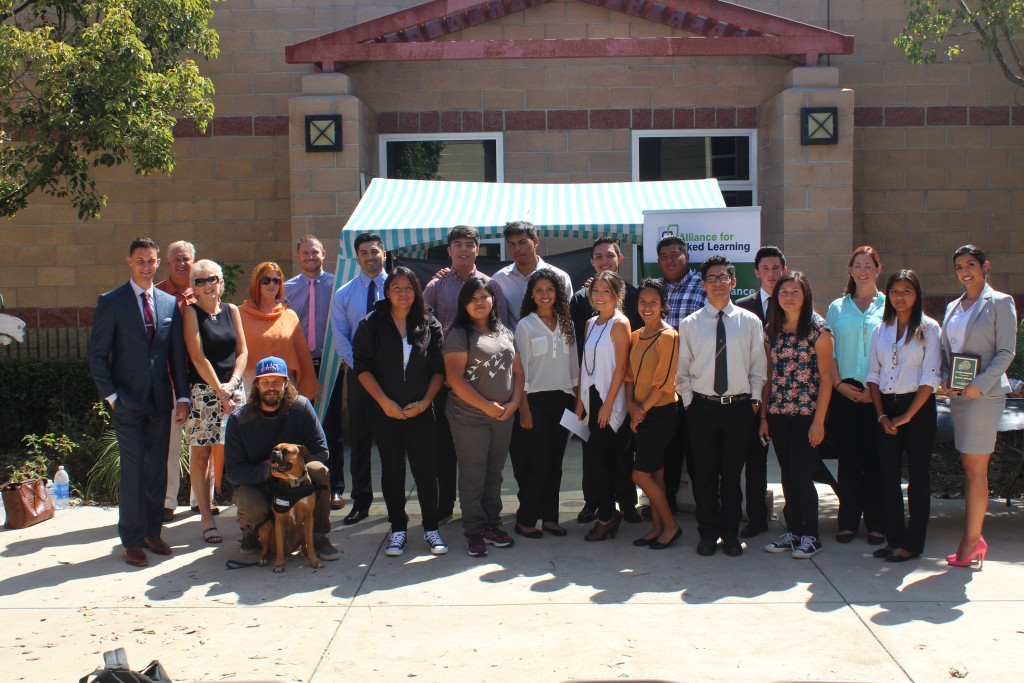
Cydcor, the recognized leader in outsourced sales services, recently led an educational outreach experience project titled Project Launch for DECA Academy of Business students. Pacifica High School’s Academy Developing Entrepreneurial and Corporate Assets (DECA) Academy of Business is a career academy at Pacifica High School in Oxnard, CA. Cydcor introduced students to Project Launch on August 20th, continued with additional training on August 21st, and closed on August 28th with an announcement of program winners.
Cydcor’s Project Launch program has been carefully designed to grow student awareness of three significant career options: Hospitality and Tourism, Accounting and Finance, Marketing and Business. Students engaged in Project Launch learn professional and personal skills that will prepare them for college or the professional workforce.
Cydcor executive leadership and senior staff have partnered with Glen Polson of Creative Product Sourcing in this educational outreach program to once again show our profound commitment to community service.
Cydcor’s Project Launch is a community outreach program designed to give students an opportunity to work on a real-world business problem. Students are engaged in a scenario that requires them to fill a need, fix a problem, or create an idea. It’s an important training experience for students since every professional person has to face these problems on a regular basis—with increasing complexity—as their careers develop.
Each day of the program has been carefully planned by Cydcor volunteers to create a realistic work experience. The program began on August 20th with Glen Polson of Creative Product Sourcing introducing the main challenge of project—a T-shirt design contest that will benefit the D.A.R.E (Drug Abuse Resistance Education) program. The winning design will be sold online and in the D.A.R.E program. This 3-day program includes a second design contest that requires students to create a logo for Project Launch, the 3-day program they’re participating in.
On the first day of this workshop, Cydcor team members provided a 45 minute presentation that allowed students to experience a brainstorming session. It showed the students the skills needed to generate ideas, choose an idea that works, create an action plan, assign tasks, and execute their work plan.
Next day, the students recapped what they learned during the first day. This on-the-spot review was included in the project intentionally to let the students experience the surprises and sudden changes that are part of a real world work situation. In addition, they were introduced to a second challenge – to design the Launch Project Logo.
Students closed the day on a high note with the arrival and focused attention of Cydcor’s President, Gary Polson. He provided insight and advice focused on the importance of engaging in your own education, making the right choices to have a better future, and never giving up no matter the circumstances faced. He encouraged the students to continue to develop their skills and education through opportunities they encounter such as programs like Project Launch.
Is your glass half full, or is it half empty?
Before you answer this question, take a moment to think about what you’re being asked. The standard response from a traditional optimist is that the glass is half full.
Pessimists also provide an expected answer and observe that the glass is half empty. But an authentic optimist, one who’s been improving his or her performance at work and in life, will simply say, “I’m thankful that I have a glass.”
You see, the authentic optimist has developed the ability to see the details in the situations and challenges the encounter every day. They have learned to recognize opportunity and respond with originality tempered with a bit of audacity. Optimism has a lot of benefits—one of them is original thinking.
Optimism isn’t a trick. It’s not a gift, either. It’s something you can learn. It’s a skill you must learn if you want to develop your career and build success. At its best, optimism is a way of life. Are you ready to embrace it fully?
You may have been taught that to be an optimistic person you must “hope for the best.” Actually, those are two different things. Hoping for the best leads to passive decision making - you will sit where you are until something good happens. But you may be sitting in the wrong place. When something good happens on the next street over, you’ll miss it entirely because you misunderstood optimism.
Optimism is a state of mind, a decision, and a daily practice. As you begin to cultivate your own personal optimism you’ll begin to see that it’s not a magic bean or a book of spells. Optimism is a point of view. It’s learning how to see that each challenge you face at work, on the road, on the phone, and at home, presents you with an invitation and an opportunity to achieve your goals.
Now, it’s easy to see bad news and difficulty. Even some optimistic people may see that the glass is half empty. But authentic optimistic people have developed their skills to achieve and expect success. They never stop looking once they notice that the glass is half empty. An optimist sees that there are choices to be made and opportunities to be considered.

Even if you’ve been born with a friendly personality, you may find yourself stuck when you’re in a situation that requires you to start a casual conversation. If you’re a naturally quiet person, these social situations might be uncomfortable experiences. When you’re nervous you lose your confidence and find it difficult to focus. Follow these suggestions and learn how to turn small talk into a new skill!
Don’t Just Say Hello!
Saying hello is a standard introduction during a social encounter. It works, but it leaves the conversation with no place to go. Instead, get the conversation rolling with adding open-ended questions.
Small Talks Needs a Big Brain and a Big Attentions Span
Once you’ve asked an open-ended question, pay attention to what the person is saying. At the same time, think of one or two follow up questions based on what the speaker says. Pay attention to their eyes and facial expressions. You can nod your head to show that you’re listening. It’s okay to smile, laugh, or become serious depending on the conversation. When there’s a natural pause in the conversation, make a comment and ask another leading question. If you get nervous, just take deep breaths and try again.
Common Interests Build Common Ground
As you continue your conversation, you’ll discover shared professional interests and concerns, which will help you build a conversational connection. If you’re attending a business conference, you have the topics related to your business in common. This can be a great confidence builder when it comes to improving your casual conversation skills.
Know When It’s Time to Go
After a certain amount of time, you will know that you’ve reached the end of your conversation. At that time, let your contact know that you have other people to speak to. Simply say, “I’ve really enjoyed speaking to you, and I appreciate all the information you shared and getting to know more about your business. Here’s my card. Can I have your business card too?”
If you say that you’re going to follow up or provide some kind of information—do it. That’s how you turn small talk into big success—one conversation at a time.


Keep up with more the latest updates from Cydcor by following us on Instagram!
The day you return to the office from a business trip will be focused on getting caught up on work that you missed. If possible, don’t schedule any meetings during your re-entry. Here are some other great tips for how to get back into the groove of the workplace.
Stay In Touch While You’re Away
Use social media to stay in touch with your team at work, as well as your family and friends. Check your email and voicemail so messages don’t pile up. Even though you have set up a system to control your workflow while you’re out of the office, things sometimes slip through the net. Let your team members know that you’re working on various problems. Ask them for help with items you can’t complete while you’re away.
Share What You Learned
Take notes, save hard copies of presentations, get links to PDFs, and document events with photos, if possible. Once you’re back at the office, build your notes into a PowerPoint presentation to share with your team members and on social media. Cover these topics:
Sharing what you learned at the conference improves your skills as a mentor and lets your supervisor see your leadership abilities.
LinkedIn and Facebook are powerful business tools that give you an opportunity to share new business insights. They’re powerful publishing platforms that can amplify your industry’s voice.
Building Your Network
Assemble all of the business cards you collected during the conference and get them into your contact database on your first day back in the office. Your records should include where you met this contact and how you connected during the event. Take note of what you discussed or an event you both attended. Paying attention to these details will make contacting him or her easier because you shared a personal experience.
Reach out to conference contacts on social media and ask them to connect with you. Send your contacts a short email and remind them about how you met. If you feel that you established a strong relationship with someone and they suggested that you to call, follow through on their invitation. Use this experience to build your networks and your connections.