Discover practical advice, inspiration, and insights to help you succeed in business and grow both personally and professionally.

Found 0 posts

Making a good first impression matters. It’s especially important when you’re attending a business conference. Even if you’re not on stage, you’re on display as a representative of your company. You’re also representing your professional self. “What we wear speaks volumes in just a few seconds. Dressing to impress really is worthwhile and could even be the key to success,” says Dr. Ben C. Fletcher in Psychology Today.
Schedule Your Personal Style
Dressing with confidence requires some rules. Create a personal dress code for business events. It’s easy to do! Start with a review of the conference schedule. Will there be a team building experience such as a hike? Is there a formal dinner scheduled? The more you know, the better you can prepare. Here is a description of some common dress codes:
Business Casual
Business Professional
Cocktail or Business Formal
The Foundations of a Professional Wardrobe
We’ve identified several pieces of clothing that work as the foundations of your professional wardrobe. Review your clothes before the event. Try them on so that you’re confident about the fit and know that they’re good as new.
Lookout for more business professional tips from Cydcor on Pinterest! Check us out today at https://www.pinterest.com/cydcor/

Cydcor’s National Conference for 2015 is taking place in Nashville, TN! There will be tons of fun happening at the conference (which will be held at the Gaylord Opryland Resort & Convention Center), the city of Nashville is also an excellent destination for tourists and travelers around the world. Here are a few standout aspects of Nashville that speak to why it was considered a great choice to hold this year’s national conference.
Nicknamed “Music City,” Nashville is the capital of Tennessee and is a favorite destination for all types of country music lovers—from classic country at the Grand Ole Opry to emerging artists in downtown clubs.
Over the last few years, creative people and companies from around the country have made Nashville home. Google took notice of this innovative atmosphere and included Nashville in its Entrepreneur Tech Hub Network.
There are a number of places that make this town famous.
Country Music Hall of Fame and Museum
Discover the traditions of country music in exhibits that explore its roots in the nineteenth century to others, featuring the work of modern legends like Johnny Cash and contemporary star Trisha Yearwood. Locals say it’s best to plan an early visit before the crowds show up later in the day.
Ryman Auditorium
The Ryman Auditorium was home to the Grand Ole Opry radio shows for 31 years. It was designated a National Historic Landmark in 1994 and, after an $8.5 million renovation, it remains an outstanding performance hall.
Grand Ole Opry
The Grand Ole Opry is celebrating 90 years of making great country music this year. Early performances featured country legends like Bill Monroe, Hank Williams, and Tammy Wynette. Contemporary performers such as Dierks Bentley and Carrie Underwood keep the country tradition alive today.
Robert’s Western World
Traditional country music has a home at this popular honky tonk. Artists from the television show “Hee Haw” once performed regularly at this venue. New talent performs every night and famous country stars like Faith Hill and Tim McGraw appear here.
Art and Culture in the Park
Nashville became known as the “Athens of the South” by the 1850s because of its large number of schools. The Nashville Parthenon was created for the 1897 Tennessee Centennial Exposition in a neo-classical Greek style—a natural choice for such a cultured city. Located in Centennial Park, the building currently serves as the city’s art museum and houses a 42-foot statue of Athena, the goddess of reason.
For the latest information on Cydcor's National Conference for 2015, follow our updates on Facebook!

Integrity means that you have high moral principles and follow professional standards. Simply put—to practice integrity in the workplace you can’t just talk the talk—you have to walk the walk. A lack of integrity can lead to poor decision-making and have a negative influence on your work and your employer.
Integrity Begins With You
Be well groomed at all times. Keep your work area and your car neat and clean. This habit shows that you care about the impressions you make as a representative of your company. Clients and colleagues will see that you respect your employer’s values and are a responsible person. If you make a promise you must keep it. It proves that you’re a dependable person. Only agree to provide services that you can actually deliver. Don’t over promise. If you do something wrong, fix it as soon as possible.
How Do I Show Integrity at Work?
You have to be honest and ethical in all of your actions if you want to practice integrity in the workplace. Understand that you’re a role model for your colleagues, clients, and vendors. Be consistent about how you apply your ethical standards. Rely on facts at all times in your interactions at work. Never make excuses or avoid sharing bad news. Integrity requires that you speak up when you notice a practice or behavior that diverges from the company’s ethical standards.
Practice Company-wide Integrity
Practicing integrity at work provides positive outcomes for your company. However, you need to understand how your company practices integrity. Become familiar with your company’s core values and use them as a guide for developing your workplace integrity. Allow your team members to share their concerns about anything they see as going against your company’s values. Encourage an atmosphere that supports honesty and fairness.
Integrity Welcomes Risk
Every decision you make will involve some elements of risk. You must be willing to take a risk in order to achieve excellence and be competitive. If there are objections to your suggestions, remain positive. Gaining support from team members and stakeholders requires effort. Do the work. Ask for input from all participants and encourage them to share their concerns.
Practice What You Preach
Your behavior at work must offer a good example for your team members, colleagues, customers, and your community. Recognize your own skills and appreciate the contributions of others. Share your experience with your team and help them to develop their own integrity in the workplace.
Learn more about Cydcor by visiting us on Flickr! https://www.flickr.com/photos/cydcor/

The leading provider of outsourced sales teams, Cydcor is dedicated to helping business professionals worldwide reach success.
Choosing the right words is key to creating a successful resume in 2015. But even before a hiring manager sees your resume, an Applicant Tracking System (ATS) could reject it. It’s estimated that nearly 75% of applicant resumes don’t make it through this automated scanning process. At Cydcor, we value all resumes that have been written well, and showcase the experience we're looking for.
Hiring managers may not understand your “passion” or you skill as a “problem-solver” if you do not explain how you demonstrated this in a work setting. You need to make sure your resume shows how you increased company profits. Use your resume to tell how your record-breaking effort contributed to your team’s success.
Start With a Summary
Your resume needs to let the hiring manager know that you’re the right person for the job and are worth being contacted for an interview. Get the hiring manager’s attention by identifying your relevant experience in a well-crafted summary at the beginning of your resume.
Numbers Tell the Story
Use numbers to define your professional accomplishments. Numbers add focus and scope to your work history. Answer questions like these with facts and figures:
Use Keywords
Highlight keywords in the job description and compare them to related keywords in your resume. If there is a 70-80% match, then you should apply for this position. Only about 20% of applicants applying for a specific job are actually qualified for the position. Online tools like Jobscan analyze how well your resume matches the job description.
Keep It Relevant
Employers want to hire people with relevant experience. Keep your resume to 1 or 2 pages by cutting any experience that is over ten years old.
Get Creative—Within Reason
Colored fonts will make your resume stand out from others—but don’t get carried away. Consider at two-color system—black and one other color, like blue. Test these colors on various screens and printers if possible. You want to make sure it’s easy to read. But before investing too much in design, study the company’s website and get a feeling for their culture to determine if a creative resume will work in your favor.
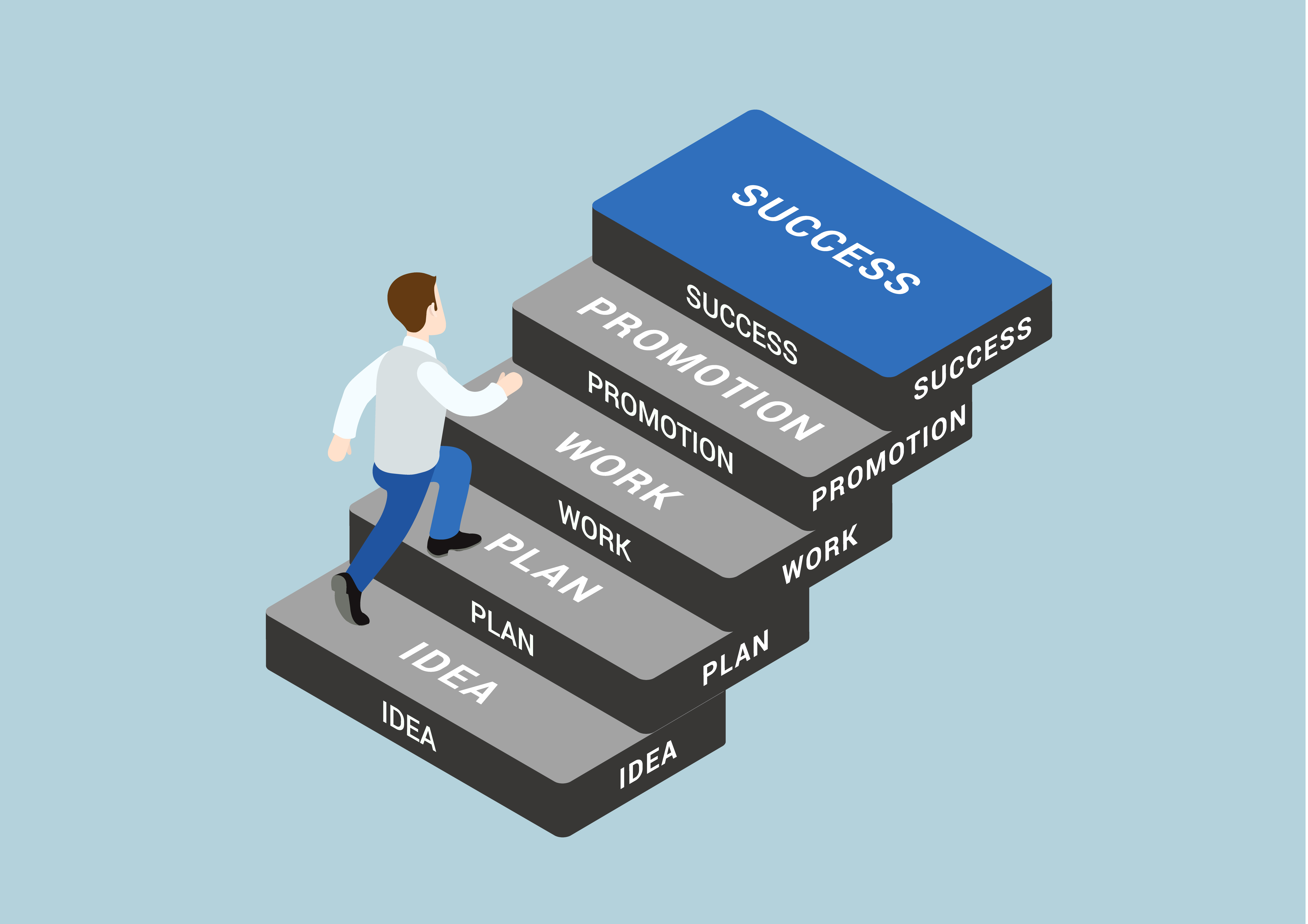
Cydcor has previously written about Toxic Employee Traits That Can Slow Progress, but it's also important to mention how to continue career progress. You will never advance simply by sitting at your desk, answering emails, and filing reports. A promotion is earned. Achieving a promotion isn’t an impossible goal. But to get there you need a good plan. The following suggestions are your starting points for success.
Evaluate Your Skills
You wouldn’t have been hired if you weren’t good at your job. But are you producing enough positive results to earn a promotion? Before you request a promotion, evaluate your job performance. Ask yourself the hard questions—face your fear.
It’s Not All About You
You will never achieve success by yourself. Your colleagues are an important part of your advancement. Study what they do. Understand their pain points. Improving their productivity is a leadership skill and contributes to your chance for promotion.
Write Your Future
Write the story of your career. Imagine where it will lead. This exercise provides a private place to draft new possibilities for your work life. It’s a safe place to practice taking risks. Don’t waste time creating a fantasy about wealth and power. Your career is serious work.
Become the Resident Optimist
Don’t get distracted by the inevitable complaints you hear during the day. Is it hard to do? Yes, sometimes it is. Everyone has bad days. But remember this: negative is easy, positive is hard. Don’t complain—explain. Don’t spread rumors—educate. Build a reputation for being constructive, informed, and open-minded.
Your Evaluation Happens Every Day
Do you ever feel invisible when your workload is building up? During these times remember that your supervisors are taking note of how you manage stress while you reach your goals. If you feel stuck in a negative take time for a mental stretch. Many corporate leaders find insight and get reenergized when they meditate.
Ask For Help
Sometimes you’ll come across a problem you can’t figure out. You need to be brave enough to ask for help. Find a mentor. Build a resource team from various departments. Share the problem. You will be remembered solving problems with creative strategy. Never ignore the wealth of institutional experience at work.
Find out more about Cydcor and our latest company updates by following us on Twitter @Cydcor.

Finding new ways to manage a business is something that’s always on the mind of a leader. There will always be new things to try, but meditation, a practice that’s been around for thousands of years, can bring a new kind of thinking to leadership. Meditation can provide a better way to manage ourselves. A few minutes in the morning or evenings is all that is necessary to help bring the right thoughts to center and to help a person focus. Apple CEO Steve Jobs was famous for it, and LinkedIn CEO Jeff Weiner does it, too. Meditation is something to be taken seriously if you are looking to improve your mind.
A bad day, or news we don’t want to hear, can put a damper on our state of mind. To prevent this from happening, leaders should take ten minutes during the day to meditate. Regardless of your approach meditation, it is just important that you make time for it. It helps get your day back on track, and is a good start to clear your mind.
As a leader, you may find times that its necessary to be brave. Whether it’s going into an important meeting or giving a motivational speech to the team, it’s important to have a confident mindset. Meditation can help get rid of negative thoughts during high intensity situations. By learning to ignore any negative thinking, worries about what could go wrong go away.
Letting go is difficult when there are so many plates spinning at once. So many times, leaders get stuck in a certain way of thinking that prevents them from seeing the whole picture. Meditation can change this way of thinking. It allows a person to attack problems with a different perspective. By getting rid of past thoughts and clearing the mind, answers to questions will appear naturally.
Like most things, it will take effort and dedication to reap the benefits of meditation, including an increase in calmness. You can also have better control over emotions. The key is to learn to focus on finding your own way instead of adopting someone else’s way of thinking.
Learn more about Cydcor by following us on LinkedIn (https://www.linkedin.com/company/cydcor).