
Found 0 posts
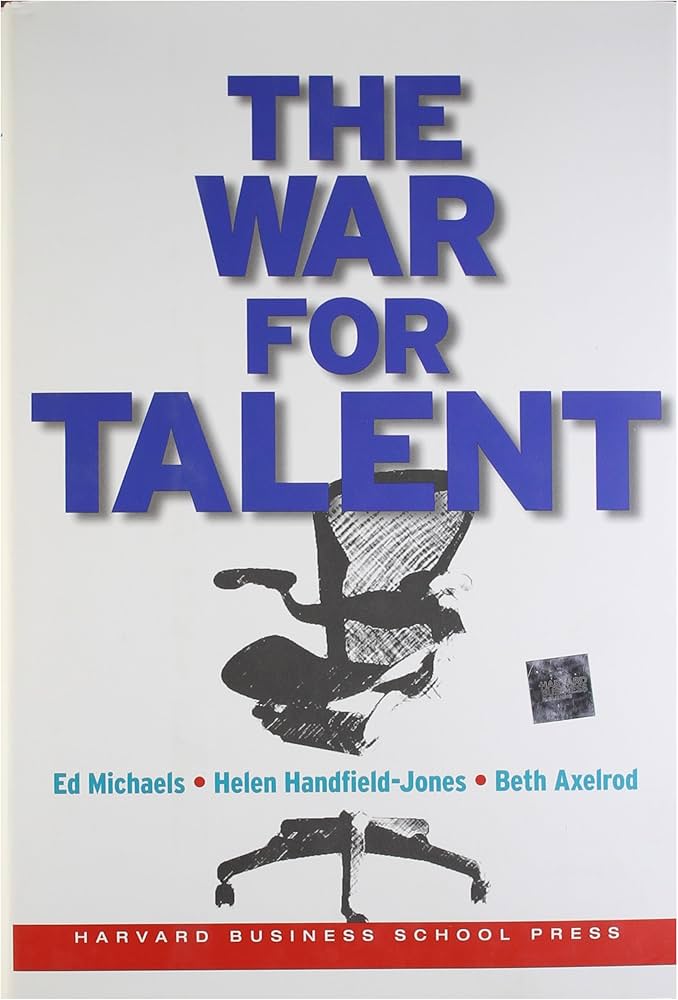
Title: The War for Talent
Author: Ed Michaels, Helen Handfield-Jones, and Beth Axelrod
Review by: Suzzanne Fleet
Description of this book: This book uses information from thousands of executives from dozens of companies on how to keep a high level of talent and performance from employees. Acquiring, retaining and developing talented individuals is essential for companies to succeed. It is important to pinpoint high performers and low performers, reward high performers, and move low performers out of the organization. The book talks about keeping a "talent mindset" that keeps recruiters and managers focused on developing talented employees. It is also important to bring in talent from other companies at multiple management levels. The book details how to design performance reviews for team members, as well as a recognition system. Authors also discuss how create incentives to make your company attractive to top level jobseekers. Cydcor works to develop our talented team of sales professionals, which is why we are frequently chosen as on of L.A. County's Best Place to Work
Why read this: Managers and recruiters alike will benefit from this book by refreshing the priorities of developing people within their organization. In an age where many employees bounce around in their career, fostering talent is an easy and important aspect of both retention and productivity.
My favorite part: There are some great case studies in the book that provide real life stories and philosophies. For example, Dee Hock, founder of Visa, tells the authors, “Without integrity, motivation is dangerous; without motivation, capacity is impotent; without capacity, understanding is limited; without understanding, knowledge is meaningless; without knowledge, experience is blind.”
About the reviewer: Suzzanne Fleet is the director of human resources at Cydcor, so managing talent is her area of expertise.


Hooray for Hollywood – and our Rising Stars! These up-and-coming top performers from independently-owned offices across North America were invited to our exclusive event, “Rising Stars,” which was held in Hollywood, California. Attendees were selected from among a network of 250 offices and had a chance to participate in a variety of educational classes and workshops that focused on a number of topics. During the weekend, they were treated to a night on the town at a popular bowling hotspot and a dinner at a well-known restaurant, where they had the chance to form powerful business relationships – and have some fun (there were several celebrity sightings!). To read more about this important weekend, check out our recent press release!


I believe that you may belong to one of the greatest generations of our time. You follow in the footsteps of other individuals who accomplished amazing things before they were 30. Steve Jobs co-founded Apple at age 21. Bill Gates co-founded Microsoft at age 20, and fellow Millennial Mark Zuckerberg co-founded Facebook at age 19.
So be proud of your considerable talents and ambition. Use your mastery of technology, your competitive spirit and intensity, your creativity and your aptitude for collaboration and communication. These gifts prepare you well for success in life and work.
It is important to remember, too, that all great people have had great mentors who have inspired and guided them. Bill Gates views legendary investor, Warren Buffet, as a mentor, and Gates himself has been an important influence on Mark Zuckerberg. Similarly, you should find people from whose knowledge and wisdom you could learn. Buffet said the key to success is to know who to be the batboy for. Good mentors can teach you how to avoid the mistakes and landmines that can harm your reputation and career prospects. Additionally, they can arm you with the knowledge and skills to perform at your best.
Certain concepts are timeless: sacrifice and struggle for long-term success; going the extra mile to reach your goals; if you get knocked down seven times, get back up eight; and so on. Mentors can help you with these vital lessons, especially when you are struggling. They can give you the support and guidance to help you get back on your feet and embrace something Abraham Lincoln once said: “Things may come to those who wait, but only the things left by those who hustle.”


In my previous post, I wrote about the great potential of Millennials. How do we help them reach this potential and motivate them to perform at their best? I think it starts with respect. They have lots of ideas that they will want to share. They are not afraid to go to the CEO during their first week of work and to make suggestions. This happened to me recently, and the suggestions were good. Listen to them. Hear them out. You may need to advise them on the “how” and “when,” but do not dismiss them. Keep them engaged.
Another thing to keep in mind is that Millennials are not patient. They want a lot of responsibility fast, so give it to them. They will surprise you with what they can do. Empower them or risk losing them to another employer or losing their full commitment and energy. Approaches like Ken Blanchard’s Situational Leadership® II and Situational Self Leadership are structured ways that can help both managers and their Millennial team members. Managers can learn how best to lead and develop their people according to their needs. And Millennial team members can learn to develop effective self-leadership and self-reliance.
Here are a few tips for mentoring and coaching your Millennial team members:

A team member who follows Stephen Covey on Twitter recently sent me one of his posts: “Leadership is communicating to people their worth and potential so clearly that they are inspired to see it in themselves. Are you such a leader?”
Covey’s post makes me think of The Wizard of Oz. Behind the smoke and mirrors, the Wizard is an ordinary man whose true power lies not in magic, but rather in his ability to help Dorothy, the Scarecrow, the Tin Man and the Lion see the innate strengths already within them. I am reminded to be just this type of leader, one who helps people believe in themselves and in their ability to accomplish what might at first glance seem out of reach.
As leaders, we must ask ourselves if we are inspiring our teams to live up to their own greatness. At times, they may have doubts that they have what it takes to succeed.
Our role is to help our people cultivate their full potential by investing in their development and nurturing their talents and aspirations. And as our people gain confidence and grow, our businesses, too, will grow with them.
Earlier in my career, I had talented people on my team who would perform excellently for a time, and then their performance would deteriorate. My approach was to look first at my own performance as their manager and to see how I potentially contributed to this deterioration.
That introspection taught me 10 things I could do to motivate my people to perform at their best: