
Found 0 posts
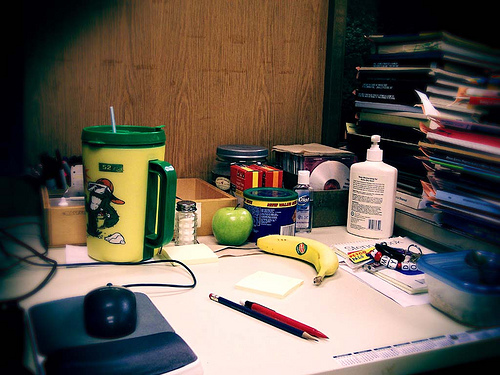
Clutter is anything that prevents you from achieving your goals, learning new skills, and getting your job done. Follow these five tips and get your clutter under control.If you’re drowning in clutter, it’s easy to be overwhelmed. Don’t go there. Clutter makes you less productive, but it’s not a reflection of your character. With a little concentration and some hard work, you can fix your clutter problem. We’ve put together five tips to finally get your mess under control.
Schedule a monthly review of your paper and digital files. And don’t just think about doing it—actually do it! Pick a date and mark it on your calendar to make this procedure a regular part of your workweek. Review everything in your inbox, on top of your desk, and in your smartphone. Get rid of any files and documents you no longer need. File or scan and save documents that matter.
Pick a time at the beginning or end of your day for a 5-minute review of your workspace. Go through your inbox, review paperwork on your desk, and identify any items you can resolve with immediate action. If there are items that you can recycle or file, then take care of them right away.
Get familiar with the items in your workspace and how often you need them. Make sure that your tools have a place to call home and that they don’t migrate around during the week. To work efficiently, you need to be able to reach your supplies easily; make sure that all your most frequently used supplies are close at hand.
It’s great to keep personal knick-knacks on your desk—family photos, Star Wars action figures, or snow globes from all of your vacation—but if your collectibles get in the way of getting things done, then it’s time to reduce your collection. Also, be aware that this kind of clutter may send the wrong message to supervisors--it could tell them that you’re not the serious person they’re looking for to advance in their company. Have a friend or colleague take a look at your workspace and ask them what they think it says about you.
Schedule one day per quarter to go through all of the drawers, file cabinets, and storage areas in your workspace and clean them out, one at a time. Have a roll of paper towels and some spray cleaning fluid on hand. You’re going to empty every drawer and wash it out. This task will force you to decide whether to keep, recycle, or discard the items you find. Clean and wash your work surfaces. When you are finished, you will finally have a clean place to work, and that will motivate you to keep your workspace free of clutter.
How do you keep your workspace free of clutter? We want to know your secrets to staying organized and maintaining order with your print and digital files. Please comment here, share your tips on Twitter, and follow us @Cydcor. Invite your friends and colleagues to participate in this discussion so we can learn to do better together.
We are Cydcor, the recognized leader in outsourced sales services. From our humble beginnings as an independent sales company based in Canada to garnering a reputation as the global leader in outsourced sales, Cydcor has come a long way. We’ve done this by having exceptional sales professionals and providing our clients with proven sales and marketing strategies that get results.
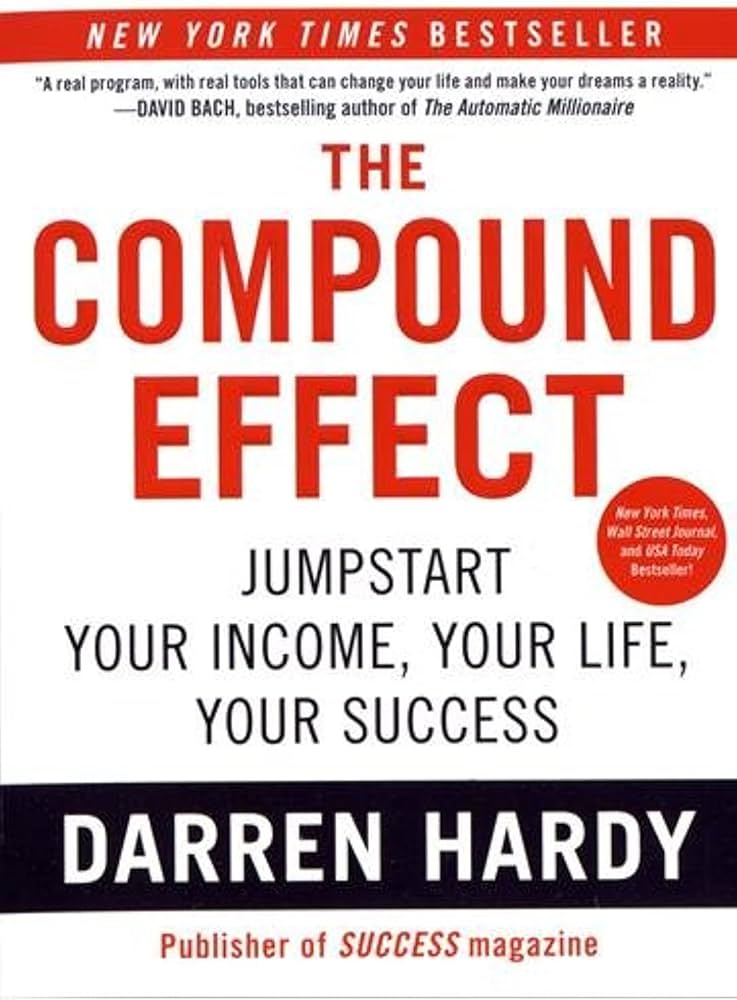
About The Compound Effect by Darren Hardy
The power to change is always in the hands of the beholder. The Compound Effect is based on the fact that decisions can shape a person’s destiny. Even the smallest decisions can have an effect on the future. Written by Darren Hardy, publisher of Success Magazine, The Compound Effect analyzes the how to earn achievements in business, relationships, and more through decision-making. This easy-to-use, step-by-step guide can show readers how to increase successes, keep track of progress, and achieve their biggest goals.
Why Cydcor Reviews recommends this to future leaders:
Only the biggest decisions we’ve ever made come to mind when we look back at the choices that have shaped our lives. However, it’s not only big decisions but also small ones, even ones that we tend to not notice, that we make on a daily basis. This is the basis of The Compound Effect. It's very similar to making small financial decisions that ultimately add up to a large sum. If you’re serious about wanting to change for the better, smaller decisions need to be kept on track. The frustrating part is that many of these small, unnoticeable decisions may affect us negatively. The Compound Effect aims to help readers realize where their blinders are.
Our favorite part:
Consistency, hard work, and patience are all of utmost importance when it comes to decision-making. Making simple improvements every single day, even if it feels insignificant, can make a drastic impact. Hardy does an excellent job of pointing out how the reason WHY we do something is important. He describes the things that undermine our ability to change. Readers will be able to pick up this book and instantly begin implementing things that can have lasting and positive impacts on their life. This is a book has the potential to be re-read regularly—you’ll still find new tips to compound your success.

Cydcor is the market leader in outsourced sales. Learn more about Cydcor by visiting our profile on Flickr.
About Getting Things Done: The Art of Stress-Free Productivity by David Allen
What most people typically do to be productive does not work as well as it used to. In Getting Things Done, veteran coach and management consultant David Allen shares the best ways for people to figure out a system that works for them. His advice has helped thousands of people across the country since the book was first published in 2002. Allen's method isn’t difficult to understand: productivity is strongly tied to how well we can relax. The key to freeing up more time for leisure and bettering ourselves is to have a clear mind, unleashing our creative potential. Allen has created an excellent guide on taking the right steps to getting back on track.
Why Cydcor Reviews recommends this to future leaders:
Although it will take some discipline and determination to make real changes to productivity, Getting Things Done is a great starting point. From core principles to proven tricks, this book can transform the way a person does their job from day-to-day. It shows the best ways to pick up the pace without exhausting yourself. The more meaningful points of the book deal with reassessing goals, staying focused in new environments, planning projects the correct way, overcoming anxiety when overwhelmed, and positively accepting what is currently going on. This is an excellent read for business professionals looking for more control of their daily life, and it lays the groundwork for being an excellent leader.
Our favorite part:
If there’s anything to take away from Getting Things Done, it’s that every task, promise, or assignment has a place and a time. With everything organized in its own space, you feel more in control and can replace the time spent on anxiety with effective and timely effort. This in turn can lead to more accomplishments and growth as pressure starts to fall. Allen gives down-to-earth advice for anyone who wants to truly be more constructive. This book may not be for everyone, but many leaders can walk away with learning a few new things. Applying these rules can lead to a much more stress-free day.
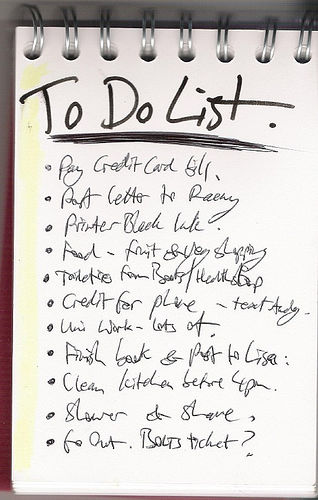
Are you finding yourself with a lot less time on your hands than usual? Life can get hectic, and it’s easy for someone’s schedule to get too full. Here are a few simple tips to do today that can help anyone get more things done!
Stick To a To-Do List
Every morning, create a to-do list with the things that MUST be done today. Even if there are only a couple of things on the list, it’s always nice to be able to cross something off.
Wake Up Earlier
How early do you wake up before work? If possible, try and set your alarm at least 30 minutes earlier than usual. Those 30 minutes can be used for things such as exercise, relaxing hobbies, or even starting on work earlier than usual.
“Eat the Frog”
One of the most famous phrases used for procrastinators, “eat the frog” means to finish the most dreadful task before anything else. It will make the day much easier, as well as give you motivation knowing that you accomplished the hardest thing for the day.
Clean Things Up
Is your workspace as tidy as it can be? Cleaning and putting things away can replace chaos with order. This can also lead to fewer distractions, and maybe even a few positive comments from co-workers!
The Don’t Do List
So we’ve now set up our to-do list, but have you ever tried a don’t-do list? This is a list of things you never want to do during the day. Some examples can include procrastinating, checking social media, or even day dreaming too much. Write them down, and be sure to avoid committing the crimes.
Stay Healthy
Exercise has been proven to be a great way to relax. It also is an outlet to get any frustrations out. For those that have no interest in intense workouts, try out some yoga!
Meditate
Even 10 minutes away from your desk can help you clear your head. Trying meditation is one of the most beneficial things you can do; plus, it can also help to make better decisions when you can think plainly.
Get Off the Grid
When we participate in social media or text with others, it can become too easy to get distracted. Put your phone away for thirty minutes and bust out some work. You’ll be thankful that you’re in the zone without anyone bothering you.
Take a Break
Working for eight hours straight with no breaks is not healthy, and can lead to more stress and anxiety. Don’t feel guilty for taking a break from time to time. Just make sure you’re working hard enough to deserve it!
Read More
Reading can make you smarter and also more informed. It’s also a great getaway from the business of life. Go outside and read a chapter of a book that interests you. It’s a great way to accomplish a small goal while getting intellectual benefits.
What are your favorite ways to be more productive and get more things done? Let us know in the comments!
When you think of productivity, being constantly active might come to mind. But while always being in motion can improve your productivity at times, it can also lead to mindless “productivity” where you waste time doing something that you don’t need to do.
The real trick is to work intelligently. Great time management skills are the first step to becoming a smart worker. Here are some helpful time management techniques that will help increase your productivity.
Do regular reviews of your productivity and take action to resolve issues with your productivity. You might want to do reviews either weekly or monthly—not so often that you begin wasting time evaluating everything, but not so far apart that their benefit is diluted.
Be sure to follow Cydcor on Facebook to keep up with our latest news and updates, including our upcoming Bahamas event, R&R 2014!

Delegation: Learning to trust your colleagues in helping you complete work is an ability that some struggle with. However, everyone will need help every once in a while; be it covering for you while you are on vacation, handling an emergency situation, or taking on a task simply too large to handle alone.
Communication is important. Be sure to tell your team member or co-worker the key goals of your project or work being handled with a client. Also be sure to give them all the resources available, along with relevant contact information and documents.
Lists: Despite our best intentions, many to-do items can get lost in the fray of our everyday lives. Writing things down and creating lists is a great way to manage and check-off tasks that have been completed.
For larger tasks, break them down into multiple, smaller tasks. For example, writing a ten-page document can be pared down to creating two pages a day up to its deadline.
One of the most satisfying aspects of creating a to-do list is crossing off things when they are done. It gives you a sense of accomplishment and gives you a visualization of progress for tasks both large and small.
For our latest job openings, be sure to check out Cydcor on CareerBuilder.
Breaks: Studies have shown that spending more than eight hours a day at a desk without moving around much is detrimental to one’s energy level and focus. Productivity is not measured by the number of hours sitting at your desk, but by how much work you get done.
Many recommend getting up every hour for a ten-minute break to walk, stretch and drink some water and socialize with your co-workers.
Goals: Set ambitious, yet realistic goals. Create goals both in your professional and personal lives. One of biggest reasons why people don’t succeed with their goals is because they didn’t set a deadline. Goals should be specific, measurable, and they should be written down. It is also good to get feedback about the goals in order to refine them.