
Discover practical advice, inspiration, and insights to help you succeed in business and grow both personally and professionally.

Found 0 posts


When the road gets bumpy, don’t retreat. Remember that every challenge is an opportunity to learn, grow, and improve. While never easy, facing and embracing adversity can lead to success, making us stronger, and better equipped for anything and everything that lies ahead.
‘Tis a lesson you should heed,
Try, try again;
If at first you don’t succeed,
Try, try again;
Then your courage should appear,
For if you will persevere,
You can conquer, never fear;
Try, Try again.
Remember this poem from childhood? It’s a simple yet profound message to keep pursuing your goals, even if at first you fail. It’s a reminder to embrace and learn from setbacks because eventually, facing adversity can lead to success. As we all struggle with our fair share of adversity, remember that staring down obstacles can provide powerful lessons on the journey to achievement.
In sales, hearing “no” more than “yes” is par for the course, so this timeless message offers good advice. Hardship, adversity, and even failure can lead to bigger successes if you show courage, persevere, and work hard to reach your dreams — no matter what stands in your way. Hardship, adversity, and even failure can lead to bigger successes if you show courage, persevere, and work hard to reach your dreams — no matter the obstacles. CLICK TO TWEET
Consider these five lessons on how embracing failure leads to success.
In the iconic 1997 Nike commercial, “Failure,” Michael Jordan reflects on all the times he missed a crucial shot or lost a game as he walks to the Chicago Bulls locker room:
“I’ve missed more than 9,000 shots in my career. I’ve lost almost 300 games. Twenty-six times, I’ve been trusted to take the game-winning shot and missed. I’ve failed over and over and over again in my life. And that is why I succeed.”
Today, Jordan is considered one of the greatest basketball players of all time. His admitted failures show that even the most successful people in the world have stumbled spectacularly. With the right attitude and perspective, failure can help you learn when you lose and get back up when you fall.
Whether you need to perfect your sales pitch, adjust your approach, or sharpen your skills, let each failure fuel your personal growth. Try these simple steps to take on challenges like a champion:
A 2018 survey of 160 business-to-business sales professionals by a leading sales training company finds that nearly half or more have a hard time on the job:
So, it’s no surprise that success in sales demands true grit. In her 2013 Ted Talk, Angela Duckworth, a psychologist and author of Grit: The Power of Passion and Perseverance, calls this trait a winning mix of ambition, determination, discipline, and persistence:
“Grit is passion and perseverance for very long-term goals. Grit is having stamina. Grit is sticking with your future, day in, day out, not just for the week, not just for the month, but for years, and working really hard to make that future a reality. Grit is living life like it’s a marathon, not a sprint.”
When things get tough, get tougher and grittier with these empowering strategies:
This moving story about Admiral James Stockdale brings this lesson home. Stockdale was the highest-ranking U.S. military officer held captive for eight years during the Vietnam War. Despite repeated torture, he rose above his grim situation to lead the POW resistance and survive unbroken:
“You must never confuse faith that you will prevail in the end — which you can never afford to lose — with the discipline to confront the most brutal facts of your current reality, whatever they might be.”
Jim Collins, bestselling author of Good to Great and numerous business and leadership books, calls this mindset the “Stockdale Paradox.” It describes how successful leaders achieve greatness by balancing optimism and positive thinking with realism and resilience in the face of adversity.
Applying this lesson, you can stay motivated and get out of even the deepest sales rut. Keep the following in mind to conquer a difficult challenge and prevail:
After the rocky, widely criticized launch of OWN, Oprah Winfrey recalls her pain and embarrassment over this public failure during the 2013 commencement address at Harvard. Humbled by the worst experience of her career, she shares how failure leads to success by showing you another way forward:
“Failure is just life trying to move us in another direction. … It’s really okay to feel bad for a little while. Give yourself time to mourn what you think you may have lost, but then here’s the key: Learn from every mistake because every experience, encounter, and particularly your mistakes are there to teach you and force you into being more who you are. And then figure out what is the next right move.”
As Oprah’s admits, failure hurts, no matter your previous successes. It can shake self-confidence and cause self-doubt. But don’t let failure throw you off track. Instead, accept it with humility in these ways:
Jeff Bezos is one of the richest people on the planet thanks to a risk he took when he was 30 years old. Betting on the Internet, he launched Amazon.com with the ambition to build “an everything store.” Today, Amazon is the largest Internet company in the world and ranked #5 on the Fortune 500 list.
Since then, Bezos has made even bolder bets, inventing wildly successful products and services that have offset countless failed experiments. According to Bezos, when you play it safe, you leave a lot of opportunity on the table. Taking risks can be scary, but trust in the payoff. He says in a 2014 interview:
“Experiments are, by their very nature, prone to failure. A few big successes compensate for dozens and dozens of things that didn’t work. Bold bets … that did work … pay for a lot of experiments. I’ve made billions of dollars of failures at Amazon.com. Literally billions of dollars of failures. … None of those things are fun. But they also don’t matter.”
You don’t have to be a billionaire like Bezos to make bold bets. Just think and act like an entrepreneur to seize opportunities that can help you reach greater heights of success:
As these five lessons show, how you respond to setbacks matters — whether you’re an elite athlete, a real-life hero, an influential celebrity, a successful entrepreneur, or just an ordinary person who wants to achieve extraordinary things. So, keep trying to be and do better. Have the grit and discipline to go the distance. Balance optimism with a healthy dose of realism to prevail in trying times. Be humble and teachable, but bold in your ambition and approach. By embracing these lessons on how failure leads to success, you can turn obstacles into opportunities, risks into rewards, and losses into wins.
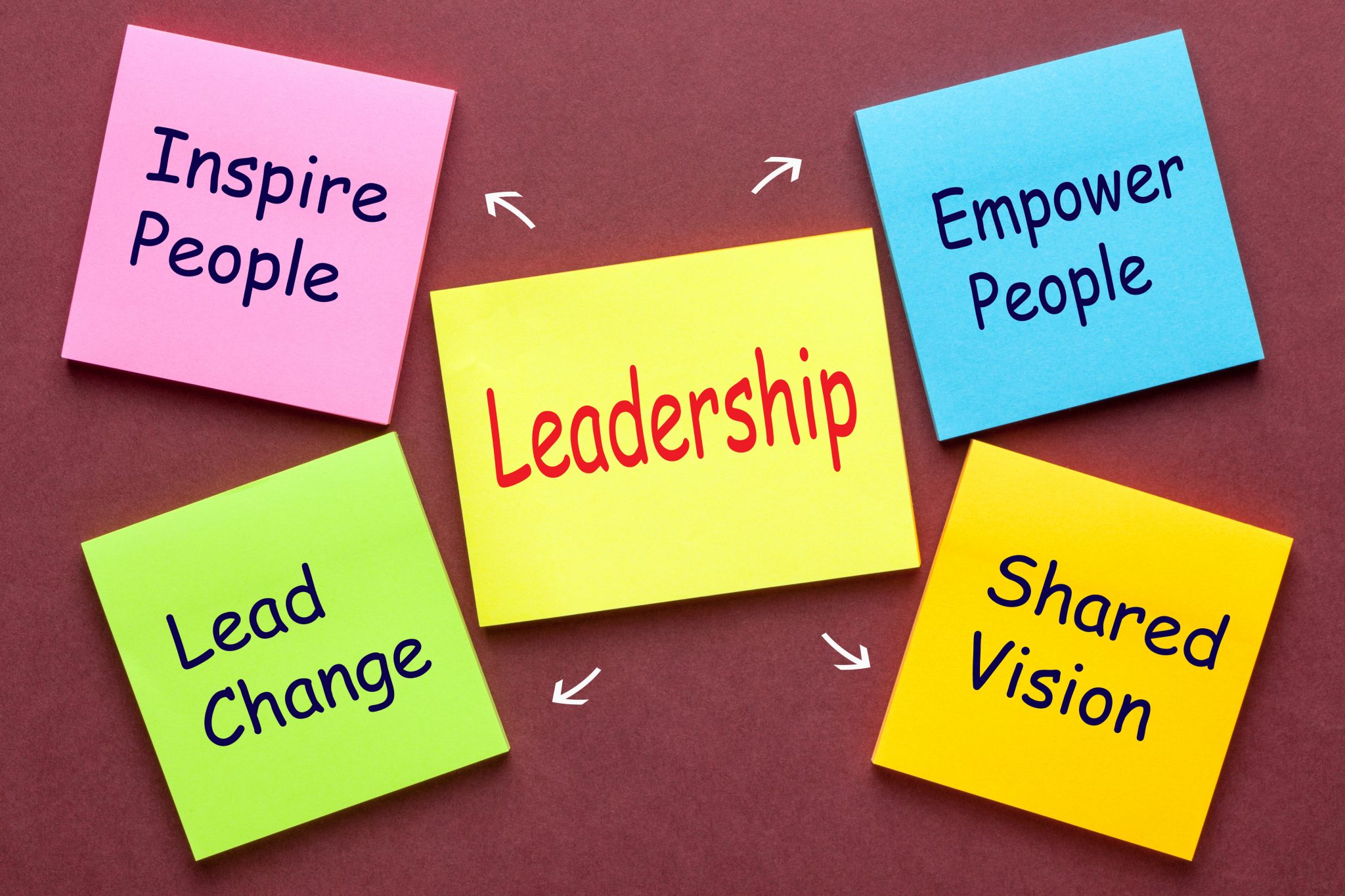
In these challenging times, it’s critical for leaders to understand how to give their sales team members the morale boost they’ll need to navigate uncharted waters and succeed in the face of uncertainty. Salespeople already understand that hearing “no” more than “yes” is an unavoidable part of the sales process that can be hard to face, day after day. It takes grit and a thick skin to pick yourself up, dust yourself off, and keep moving forward with purpose. This constant pressure to bring your A-game every time can be intense. And that’s when things are going well. Add in new sales processes, health and safety concerns, and customers who have their minds focused elsewhere, and suddenly, just getting by has become more of an uphill battle than ever before. It is times like these that your team will look to you for strong leadership. They’ll need your guidance and they’ll need an example of strength and determination to fall behind. In these challenging times, it’s critical for leaders to understand how to give their sales team members the morale boost they’ll need to navigate uncharted waters and succeed in the face of uncertainty. CLICK TO TWEET
When things go wrong — missed targets, lost accounts, or failed deals — your sales team’s morale can take a hit, especially when outside forces beyond their control are standing in their way. Left unchecked, a dip in morale can quickly spiral downward and spread like a sickness.
Low morale breeds negativity that can impact productivity, performance, and ultimately sales. At its worst, poor morale can damage your internal culture, which is essential to attracting and retaining top talent and building motivated, engaged teams.
Need a morale boost? At the first signs of trouble, consider these eight ways to pull your sales team out of a morale slump before a temporary setback becomes a deeper rut.
Great teams have great leaders who lead by example. Make sure your attitude and behaviors as a leader reflect those you’d like to cultivate on your team. Help them visualize the opportunities ahead and get them excited about the future. They’ll look to you for encouragement to succeed, motivation to do their best, and inspiration to reach their goals, even if they occasionally stumble along the way.Great teams have great leaders who lead by example. Make sure your attitude and behaviors as a leader reflect those you’d like to cultivate on your team. CLICK TO TWEET
Set clear expectations to give your people focus, direction, and a definition of success. When mistakes happen or results fall short, talk candidly about what went wrong and how to get back on track. Be transparent about business challenges and how your team can work together to conquer them. Finally, have open dialog about the areas for improvement and invite team members to share their voice.
Team building isn’t just fun; it also helps build camaraderie and strengthen bonds. From competitive games to group problem-solving to social events, team building activities are an enjoyable, effective way to decompress, lift team spirit, foster collaboration, spark creativity, and generate positivity. For an extra morale boost, center team building around a meaningful cause to feel good by doing good — together.
Spend one-on-one time with your people to get to know them and understand what motivates them. When they share concerns, listen carefully and actively work with them to find solutions. Salespeople are under immense stress and pressure to perform. So, watch for signs of burnout— a shift in attitude, more negativity, or lower motivation and engagement — and reach out to team members when you spot them.
When your team is getting crushed, be the head cheerleader. Keep encouraging them and cheering your hardest no matter what the score. Setting clear expectations is a great start, but your team members also want to know that you have their backs when things get tough. Lift them up when they’re down and give them the support they need to win. Let them know their goals are your goals — and you’re with them all the way.
Morale and motivation falter when team members don’t feel set up for success. Ensure your people have the knowledge, skills, and tools they need to succeed by making training and development a regular part of your process. Invest in your most valuable asset — your team — to keep them learning, improving, and evolving. A focus on their growth shows you’re committed to helping them achieve their hopes and dreams for the future.
Part of being a coach is giving timely feedback that’s objective, constructive, and individualized to help team members understand what they’re doing right, what they’re doing wrong, and where there’s room for improvement. And don’t just give negative feedback. Provide plenty of positive feedback to keep people motivated. For team members who need more support and guidance, offer to be a mentor they can trust.
A culture where team achievements are genuinely appreciated and applauded makes people feel energized and excited to do their best work. Make sure to praise and celebrate efforts and improvements — not just wins — to keep the positive momentum going. Another way to ramp up the recognition is to give team members the floor, so they can share their secrets to success and hopefully, inspire their peers.
It’s understandable l for sales team members to feel confused and tentative. Don’t we all? As we forge ahead and try to try normalcy in our new way of life, remember these eight simple strategies to give your team members a morale boost for better performance, better sales — and a better culture.


Being an entrepreneur takes passion, persistence and perseverance to weather the highs and lows of starting and growing a successful business. The journey can grueling but rewarding if you have the will and stamina to go the distance. When you feel like you’ve hit a wall, dig deep to stay motivated and keep putting one foot in front of the other until you reach your goal.
Need a mental boost? Whether you’re a seasoned pro or an aspiring business owner, check out these inspirational quotes for entrepreneurs to refuel your inner reserves and kick your performance up a notch.
– Vera Quinn, President, Cydcor
Your success lies entirely in your hands. The world’s most accomplished people have the capacity to thrive despite setbacks and attain ambitious goals. Understand what it takes to achieve the success you desire and put in real effort to earn it. Every decision you make and action you take can get you to where you want to be. The only person who can determine how far you go, is you.
– Walt Disney, founder Disney
Successful entrepreneurs don’t wait around for opportunities; they seek and seize them. They possess a confident and driven mindset, act decisively, and fearlessly take on challenges that may keep others from even trying. Thinking and acting like an entrepreneur can help you do better, aim higher, and go further on the path to success.Resilience, the mental toughness and emotional strength to recover quickly from adversity, is a trait of exceptional achievers. So, worry less about doing things the safe way and focus more on finding your own way to break new ground. CLICK TO TWEET
– Richard Branson, founder Virgin Group
Entrepreneurs understand that falling flat on your face and getting right back up is the secret to success. People afraid of failing may rely on rules and tried-and-true methods in the search for a surefire recipe for success. But anyone who has won big knows that there’s no reward without risk. Resilience, the mental toughness and emotional strength to recover quickly from adversity, is a trait of exceptional achievers. So, worry less about doing things the safe way and focus more on finding your own way to break new ground.
– Adam Osborne, innovator of the first portable computer
Every great discovery, invention, or achievement has countless failed experiments behind it. Making big, bold bets that could fall short and are vital to succeeding in business at every level. If you embrace them, hardships and mistakes along the way can make you stronger and smarter — and your success that much sweeter.
– Reid Hoffman, co-founder LinkedIn
If you want to be successful, surround yourself with successful people. We tend to mirror the energy, attitude and demeanor of those around us. Watch and learn from people who set a positive tone and demonstrate the mindset for success through confidence, mental fortitude, emotional maturity, and perseverance when things get tough.Whatever distractions and difficulties come your way, remember why you get up every morning and focus on what truly matters. The payoff is worth it. CLICK TO TWEET
– Bo Bennett, founder eBookit.com
Success isn’t just how much you earn or what title you hold, but also how much you’ve learned, grown, and moved closer to fulfilling your “why” — that unshakeable inner purpose that motivates and drives you. Whatever distractions and difficulties come your way, remember why you get up every morning and focus on what truly matters. The payoff is worth it.
– Gary Polson, CEO, Cydcor
Doing the right thing is a sign of character and the foundation of any success worth having. Character means not compromising your integrity to win at all costs. It means keeping your word and delivering what you promise. It also means telling the truth, rather than embellishing facts or withholding information, and taking responsibility for mistakes. Finally, it means caring about people and lending a hand when they need help. With character, you’ll gain respect, trust, and influence that can win friends and fans for life.
If you need a spark of motivation, just remember these inspiring entrepreneur quotes on what it takes to succeed — empathy for others, decisive action, resilience, courage to fail, a mindset for success, inner purpose, and strong character.

At the heart of Cydcor’s culture is the tenet of “people helping people.” Cydcor stands behind this idea by fostering a work environment that promotes both personal and corporate philanthropy and by offering team members a paid volunteer day each year to serve a cause that matters to them. Our service mindset is grounded in the concept of servant leadership, which focuses on empowering and developing our people, building a better company, and giving back to the community.
One example of how we’ve put this mindset into practice is Cydcor’s Philanthropy Club, founded by team members to provide employees with corporate philanthropy and volunteering opportunities throughout the year. Here are just some of the ways Cydcor’s Philanthropy Club has made a meaningful impact on the community in 2019:
March: Pizza Sale — Liberty Children’s Home
Liberty Children’s Home is a sanctuary in Belize that offers a safe, loving environment to more than 40 abused, abandoned, and neglected children — some with special needs or suffering from HIV or AIDS. At a Leaders Meeting in March, team members sold Costco pizza with all proceeds donated to Liberty to support learning, activities, medical care, facility improvements, and basic needs like electricity, clothes, and food.
April: Crayfish Removal
Team members partnered with Mountains Restoration Trust to help preserve and protect the streams and creeks of the Malibu Creek Watershed by removing invasive, non-native crayfish. Harmful to the ecosystem of the Santa Monica Mountains, crayfish prey on native species, reduce water quality, and worsen creek bed erosion. Prior to our arrival, scientists set more than 100 traps along a stream bed in Oak Park. Cydcor volunteers removed crayfish caught in these traps and cleaned up trash along the banks. Additionally, they measured the size of caught crayfish to help record and collect data.
May: Special Olympics Regional Spring Games
Special Olympics of Southern California provides year-round sports training and athletic competition in a variety of Olympic-type sports for children and adults with intellectual disabilities. Philanthropy Club participants volunteered at the Ventura County Special Olympics Spring Games held at Oaks Christian Highschool, featuring swimming and flag football competitions. Responsibilities included coaching, time keeping, score keeping, and cheering in the stands to show Cydcor spirit and support for local athletes.
June: Heal the Bay
For 35 years, Heal the Bay has been mobilizing communities across Los Angeles to protect the California coastline, restore waterways, and advocate smart water policies. Cydcor volunteers gave time at a monthly Heal the Bay event to pick up trash along a Santa Monica beach. After a full morning of cleanup, the team enjoyed a group lunch in Venice, a popular beachfront community.
July: Learn Earn Return
Learn Earn Return is a nonprofit organization focused on providing students and teachers with the necessary school supplies for a successful school year. Team members collected and donated items that might otherwise have been a heavy financial burden to students and their families, such as backpacks, composition notebooks, wide-ruled paper, glut sticks, scissors, rulers, and more.
September: Operation Blankets of Love
The Philanthropy Club held a volunteer event for Operation Blankets of Love, a leading animal welfare and emergency relief nonprofit organization that provides food and critical supplies for more than 12,000 animals a year in shelters, in rescue groups, and with pet owners experiencing homelessness or another hardship. Cydcor volunteers collected blankets, towels, toys, and other badly needed pet supplies donated during the event.
September: Pet Adoptions
Team members partnered with L.I.F.E. Animal Rescue, a nonprofit organization that rescues homeless or abandoned dogs and cats and places them in permanent, responsible, and loving homes. Cydcor volunteers supported L.I.F.E.’s weekly animal adoption event at a local PetSmart to help pets find their forever home.
October: Alzheimer’s 5K
Team members joined their local Walk to End Alzheimer’s® 5K, an Alzheimer Association event held annually in more than 600 communities nationwide to raise awareness and funds for Alzheimer’s care, support, and research. Participants walking in the Westlake Village, California 5K surpassed their goal of $500 by raising $1,788. Cydcor matched donations of $500.
November: EARTHS Thanksgiving Food Drive
Cydcor volunteers supported the annual Thanksgiving Food Drive of the Environmental Academy of Research Technology and Earth Sciences (EARTHS) Magnet School in Newbury Park, California. Individual and department donations provided holiday favorites, canned food staples, and grocery gift cards to help 100 local families in need enjoy a Thanksgiving meal.
The contributions of Cydcor’s Philanthropy Club show the positive difference that employee-driven corporate philanthropy and volunteering can make on our schools, neighborhoods, and charities. Through community service, our team members embody Cydcor’s culture of “people helping people” by uniting behind a shared purpose, collaborating to overcome challenges and accomplish goals, and serving causes that matter.

Cydcor is taking steps to reduce its impact on the environment. In keeping with one of Cydcor’s core values “to do what’s right, not what’s easy”, the company has made a commitment to adopting greener practices to reduce the amount of daily waste its team members produce.
Team members gave up individual desk trash cans, turning instead to new centralized receptacles with sorted options for paper, plastics and aluminum, composting, and traditional waste. The new receptacles help team members be more thoughtful about how much they consume and increase recycling.
Gone also are all disposable coffee pods, paper cups and lids, and disposable plastic water bottles. Cydcor replaced them by gifting team members with more environmentally friendly reusable ceramic coffee mugs and glass water bottles.
Cydcor kicked off its new initiative with a green ribbon cutting ceremony to unveil new beverage machines to replace all single use machines. With these moves, Cydcor seeks to reduce what it estimates as 4.4 pounds of waste per person per day. Multiplied by Cydcor’s approximately 200 team members, that’s 880 pounds of waste per day. By implementing a recycling and waste reduction program, Cydcor believes it can reduce that number to 264 pounds, a 70% decrease!
Cydcor’s leadership fully backed the adoption of greener practices, and the company sees these as some exciting first steps toward reducing Cydcor’s carbon footprint and doing more to protect the Earth. Cydcor continues to look for new opportunities to become even more environmentally friendly and the company plans to make additional moves toward sustainability in the future.

Sales is a critical part of your marketing mix, and the goal has always been to grow your fledgling sales pilot into a fully optimized arm of your business. Things look like they’re going well, and you’re anxious to take your sales growth to the next level. But, where do you begin? What are the steps to successfully grow your sales operation, and how do you know if and when it’s even the right time to scale? Check out Cydcor’s guide on how to scale your sales program below to ensure your sales pilot can grow along with your long term business goals.
Reduce Ramp Up Time So You Can Start Earning:
Scaling any sales program, be it face-to-face, digital, or telesales, can be a slow and tedious process, especially if it isn’t well-planned. Instead of addressing issues as they arise, make sure to have all your ducks in a row with thorough strategic planning and testing. This upfront work can save you a lot of time and heartache on the backend and ensure your new program can become profitable as soon as possible.
Define your implementation plan, accounting for getting any needed software systems and equipment in place and running well prior to launch, hiring and training staff, and testing for glitches.
Create a good launch timeline that’s realistic, noting specific benchmarks you’ll need to hit before moving to the next stage. Trust, but verify things are on target by revisiting and adjusting this timeline as needed to ensure you’re on pace.
Document all your current processes so they can easily be repeated by new teams. Make sure your sales pitches and scripts are solid, well-tested, and formatted for distribution as part of training materials for new sales managers and sales reps. Create a roadmap for training new sales people or account executives so that the process can be easily repeated. Meet frequently with all teams to ensure everyone is on the same page.
Make Certain You’ve Got the Right Tools:
As your company builds and perfects its inside sales or outside sales programs, software and hardware needs will most likely begin to reveal themselves along the way. Sales organizations should be sure to document these needs as they go. You can also partner with an experienced sales service provider like Cydcor, whose experts can recommend software, data analysis tools, and equipment, as well as help your organization test, build, and scale a custom sales strategy and program to meet your needs.
As you’re mulling over software and hardware options, be sure to invest in systems that has the flexibility to grow as your program grows so you will not need to shift platforms to accommodate your expanding business requirements.
Be Sure It’s the Right Time to Scale:
It’s easy for fast-growing organizations to get so caught up in the momentum that their leadership forgets to consider whether they’re ready and prepared to scale up. Before your company starts investing in scaling its inside sales programs, the marketing team and sales leaders should examine whether certain KPIs are there to suggest that scaling will be successful and a deliver ROI.
Is your sales program profitable? If it is not, or if it is not hitting a reasonable target, such as a certain number of transactions or new customers acquired per week, it may be a better choice to keep the program small until results have been proven and are likely to be sustainable.
If your sales teams are selling on behalf of a third party, do you have the client’s commitment to scale? Ensure your growth plans are in line with your clients needs, expectations, and willingness to invest in new growth.
Hire the Right Team:
Before you scale up, you’ll want to feel confident you have the best possible team in place as a well as a plan to maintain the quality of service and high level of performance you expect. To put together a great team, you’ll need to implement a hiring process that sets clear expectations of the job task and ensures team members fully understand what they are being hired to do.
Hire based on personality. Sales skills can be taught, but you’ll need to find people who can work well with each other and the customer and who have the desire to perform and succeed. Finally, compensate your team fairly but appropriately, and make certain to set clear career path expectations for team members and make sure they understand what success looks like.
An effective sales program can play a critical role in your customer acquisition and revenue growth efforts, but scaling your sales program is a complex process, and it must be done right in order to ensure success. Careful planning, research, acquiring the right tools, and an effective people management approach can help bring your organization closer to achieving its goals. But juggling all these essential components can be extremely challenging. That’s why many organizations look to experts in building and growing successful sales programs like Cydcor. Find out how Cydcor can create and scale a customized outside sales program designed specifically to achieve your organizations customer acquisition and revenue goals.