Lead Generation Services vs. Customer Acquisition Programs

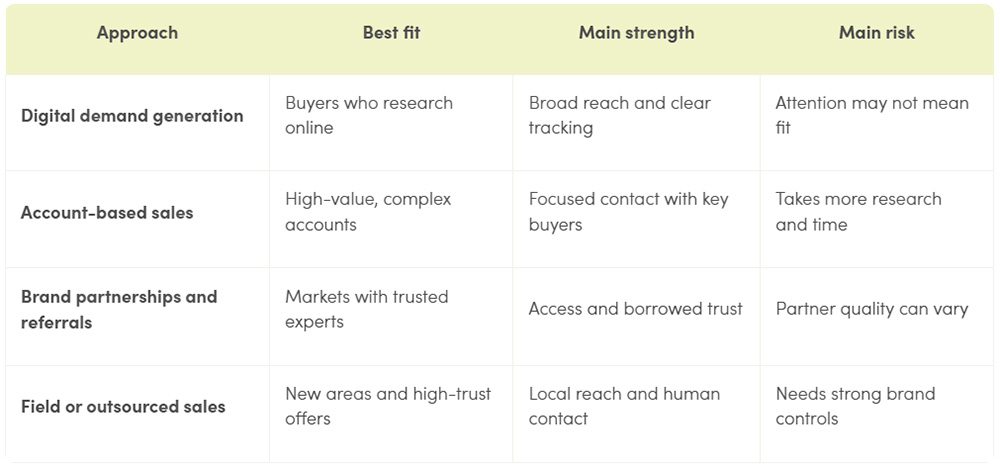
Many enterprise brands search for lead generation services when their larger need is new customers. Lead generation services typically produce contacts, form fills, or appointments for another sales team to follow up on, while customer acquisition programs are measured by completed sales that meet the brand’s quality standards. This comparison explains what each model delivers, who typically owns the sale, how performance is measured, and when the two approaches can work together.
Lead Generation Services vs. Customer Acquisition Programs
The central distinction between the two is the outcome each provider is responsible for delivering. A lead generation service supplies an opportunity for another team to convert, while a customer acquisition service is structured around a completed sale.
What Lead Generation Services Typically Deliver
Lead generation services produce potential sales opportunities for another team to qualify, pursue, and close. Common deliverables include contact records, form submissions, information requests, qualified inquiries, and scheduled appointments.
The brand remains responsible for the next steps after receiving the lead. Its sales team must respond, confirm fit, explain the offer, manage objections, and complete the sale.
Typical Lead Generation Workflow
Like the distinction between Field Marketing vs. Demand Generation, lead generation services and customer acquisition programs measure different stages of the sales process, so their performance metrics do not always align.
What Customer Acquisition Programs Deliver
A customer acquisition program produces completed acquisitions, the information needed to verify them, and performance data that shows how the program is working across markets.
Different customer acquisition programs may have different approaches to executing these deliverables. For example, for Cydcor, these deliverables come from direct customer acquisition programs carried out through a network of independently owned sales companies. The brand establishes the relevant product and quality requirements before launch, while the program reports results against those standards.
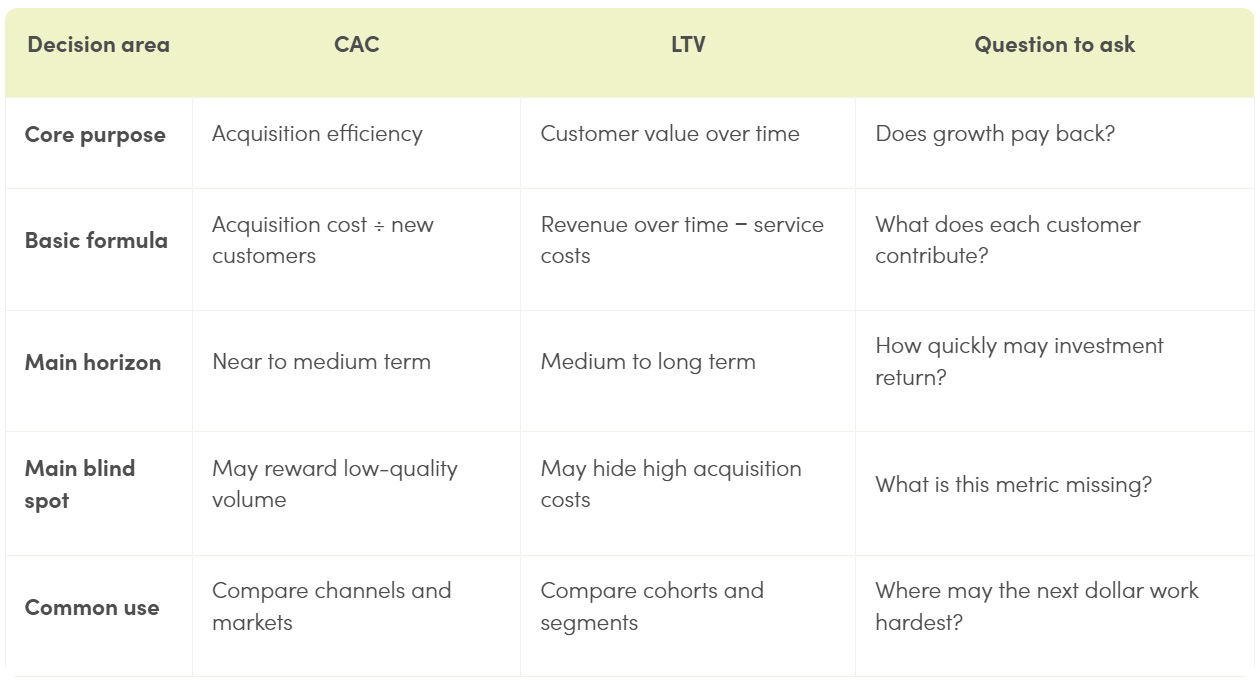
The resulting data can then be evaluated through customer acquisition KPIs, including acquisition cost, conversion quality, customer value, and early retention.
When Lead Generation Services or Customer Acquisition Programs Make Sense
Lead generation services tend to fit brands with an internal sales team that can respond quickly, qualify opportunities, and manage the closing process. They can also suit complex sales that require account executives, technical experts, or several internal decision stages.
Customer acquisition programs tend to fit brands that need direct acquisition capacity, are testing a new market, or want to expand without building a separate sales capability in every location. This approach requires the brand to define its product, compliance, and customer-quality standards before the program begins.
How the Two Approaches Can Work Together
The two approaches can support different stages of the same customer acquisition plan. Lead generation can supply opportunities to an internal sales team, while a customer acquisition program can handle direct acquisition in markets where the brand needs additional field capacity. Lead volume and appointment rates should remain separate from completed sales, cancellation activity, and customer retention so the brand can see whether it is producing more opportunities, more customers, or both. When a brand wants provider compensation tied to completed sales rather than delivered leads, it may also consider pay-for-performance sales outsourcing.
Lead Generation Services Should Match the Outcome You Need
The right choice between lead generation services and customer acquisition programs depends on whether the brand needs more opportunities for its sales team to close or a provider responsible for direct acquisition and reporting on completed sales.
Cydcor connects enterprise brands to direct customer acquisition programs through a network of more than 500 independently owned sales companies across North America. Cydcor holds the client relationship and provides campaign design, compliance oversight, quality control, and reporting, while the independent sales companies operate their own businesses: they recruit, train, and compensate their own people. This structure can give brands a way to expand direct acquisition across markets without building a separate field sales capability in each location.
For brands pursuing completed sales rather than only leads, become a client.
To find out more about Cydcor, check us out on Facebook, LinkedIn, Instagram, and X.
We are Cydcor, a recognized leader in outsourced sales and marketing services located in Agoura Hills, California. From our humble beginnings as an independent sales company to garnering a reputation for consistently exceeding client expectations and driving outstanding revenue growth, Cydcor has been helping Fortune 500 and emerging companies achieve their customer acquisition, retention, and business goals since 1994. Cydcor takes pride in the unique combination of in-person sales, call center, and digital marketing services we offer to provide our clients with proven sales and marketing strategies that get results.