
Discover practical advice, inspiration, and insights to help you succeed in business and grow both personally and professionally.

Found 0 posts
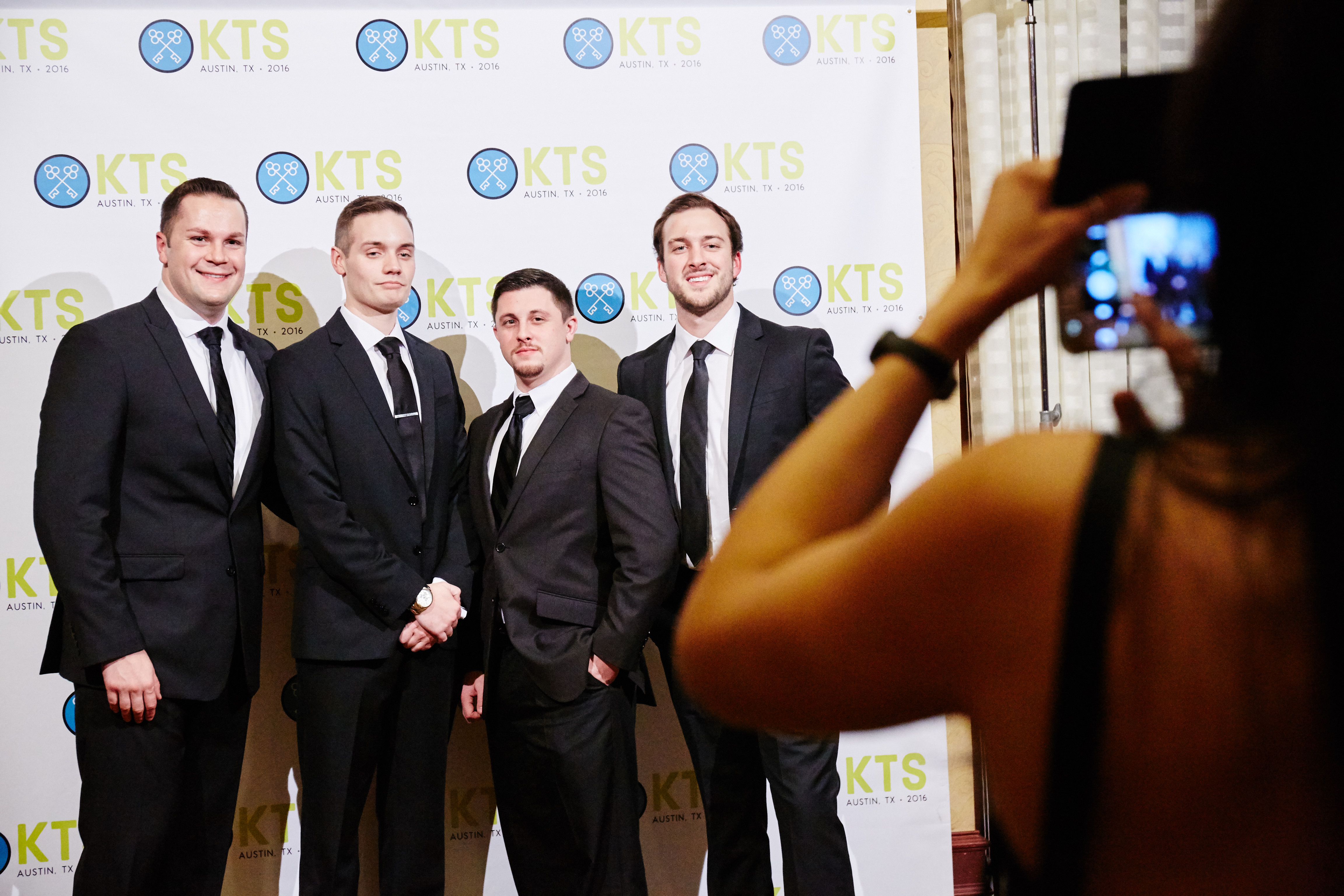
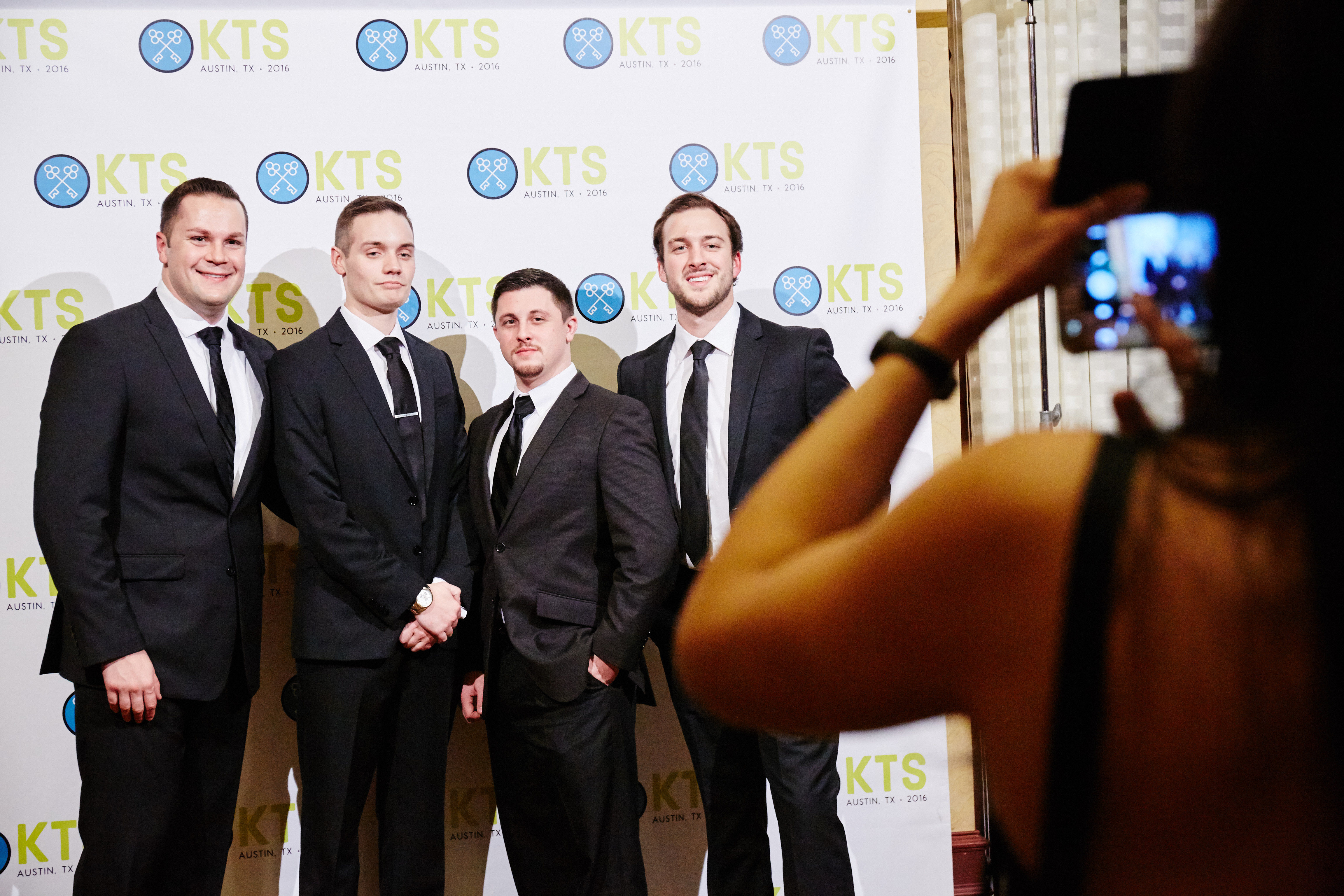
Looking professional is about a lot more than what you wear, although dressing professionally certainly helps. Giving the impression that you’re confident, professional, and ready to do business is about the whole package. Everything from the way you communicate and your attitude, to your habits and yes, your physical appearance contributes to the way you are perceived by others and whether you’ll be taken seriously. The great news is: there are many easy ways to make sure you always come off professionally to others, so you can focus your attention on more complicated matters, like the content of your proposal or negotiating a great deal.
Look Like You Belong: Whether you’re a new employee or visiting a client’s workplace for the first time, it can sometimes be unclear what “typical” business dress is. If you’re unsure what to wear, consider doing a “drive by” or check the company’s social pages to make sure you dress to fit in culturally. Also, consider the type of business and industry. For example, a bank or insurance company is likely to be more formal and traditional than a game design studio or creative agency.
Be Dutiful to Details: The little things matter. Scuffed and worn out shoes can cheapen even the classiest business outfit, as can a jacket that’s too long or too baggy. While we certainly can’t all have unlimited budgets for business attire, having your favorite suit tailored to fit correctly can be done at a reasonable price, and it’s more than worth it. Also check to make sure your clothes aren’t faded or discolored.
Keep it Clean and Pressed: It may seem obvious, but making sure your business attire is clean and wrinkle free can go a long way toward making you appear polished and professional. If you’re a pet owner, make sure you have a lint roller in your car or briefcase to pick up Fluffy’s flyaway fur, and it’s always a good idea to have an extra button down shirt or blouse available for unexpected coffee spills.
Dress Up Rather Than Dress Down: We all want to look cool, but looking professional is even more important. Even if you’re headed to an interview or meeting at a company where you’re certain the culture is laid back, to make a good first impression it’s better to be a little overdressed than to look like you don’t take the meeting seriously by dressing down.
Respect People’s Time: Another easy way to always look professional is by respecting people’s time. It more than just being on time. It’s sometimes said that if you’re not early, you’re late, and that’s a great rule to live by because being on time can easily make or break an important meeting. People take their time seriously, because as you probably know, time is money. Being on time tells the other person you respect them, and you value their time, while being late gives the impression you’re not dependable, don’t care, or that you think your time is more important than theirs. Plan your day realistically, allowing time for breaks and for changing locations when necessary. When you have back to back meetings, make sure to end on time rather than running over. It’s always better to schedule a follow up than to keep your next meeting waiting.
Come Prepared: Always have your notes ready to go before an important meeting or conference call, and never show up hungover or exhausted. Much like being on time, being properly prepared shows you take the meeting seriously, and it implies you’re organized and capable.
Watch Your Attitude: Maintaining professional demeanor is just as important as wearing a wrinkle-free blazer. Be positive and diplomatic, and avoid speaking negatively about former employers or complaining about projects. Accept challenges and new tasks with grace, cleanse your vocabulary of inappropriate curse words, and never ever tell raunchy jokes or curse in a professional environment.
Portray Confidence and Respect: Learn how to put on a professional game face by always smiling and making eye contact during meetings or introductions to clients, while seemingly small gestures, these physical cues help you appear more confident and engaged. Prove you’re focused on the project at hand by turning off your phone ringer, listening when others speak, and by avoiding checking the clock more than necessary.
Making a little extra effort to always look professional is an easy way to build your reputation as someone who’s always on your game. Employers like to hire candidates who make them look good, and they like to promote employees who will set a great example for others. In negotiations and other business dealings, looking professional instills trust and confidence in your abilities that can help you close the deal. It can help you build rapport as well, by demonstrating to the other party that they are important to you. Taking these few simple steps to create a more professional appearance and attitude is one of the simplest things you can do to help catapult your career.

People seek ways to make differences in their community – even at work. They want to work for companies that make a positive impact. Providing charity and volunteering opportunities to team members benefits employers as well by boosting employee engagement. Companies that offer volunteering experience are able to recruit top talent, retain employees longer, and create an environment of collaboration in the work place.
Company sponsored corporate philanthropy and corporate giving programs also offer benefits to the employees themselves. These volunteering opportunities help employees master new skills, prepare to take on greater responsibility, and contribute to the community beyond the office walls. By committing to a cause, companies can provide valuable services to the community while strengthening and uniting their workforce.
Here are seven valuable lessons employees learn from community service:
Service projects are growth opportunities for employees, because they teach valuable lessons and skills employees can apply to their daily work. Volunteer activities unite teams around causes that are important to them and the community. Employer-sponsored volunteer work helps assure them that the work they do serves a greater purpose. Committing to a cause by donating money or time simultaneously benefits communities, companies, and the employees who work there. Companies who sponsor volunteer opportunities also boost their bottom line by building a workforce that is building new skills, happier, and more engaged.

Management and leadership are two sides of the same coin, and both are necessary for a business to succeed. Learning the difference between management and leadership is important for developing effective management skills.
Great leadership is about inspiring enthusiasm and drive, while great management is about building highly efficient teams that produce impressive results. Managers are experts at getting things done and meeting targets and deadlines; leaders know how to evolve people and organizations and help them meet their potential. Each is a unique discipline that helps teams meet their short- and long-term goals, while also fostering commitment to a shared vision and outside the box thinking.
Management skills are concerned with assigning tasks, committing to deadlines, and creating systems, while leadership is focused on defining a purpose and uniting individuals behind big ideas. Managers ensure teams meet their deadlines and deliver what’s expected of them, while leaders focus on the future and how teams might prepare for challenges on the horizon. Management is about limiting risk, while leadership encourages bold action. Leadership is primarily about engagement, while management has more to do with execution. Management focuses on performance, while leadership focuses on development. Managers develop processes and create smooth operations, while leaders build relationships, encourage communication, and build trust. The most successful businesses are built with an ideal balance of management skills and leadership skills.
Scenario 1: Suzy Business Owner has promised a new client 2,000 flyers by the end of the month, but she recently lost two employees, and she knows it’s going to be a stretch. She creates a workflow document that helps remaining team members understand when they must complete their portion of the project, and she meets with each team member one-on-one to train them on the new system. By following the workflow correctly, the team is able to meet their deadline.
Is this an example of management or leadership?
Answer: Management
Suzy is faced with a short-term business challenge, and by managing her overstretched team correctly, she’s able to help them successfully achieve their goal.
On the other hand…
Suzy should be careful. Her team is being pushed beyond its limits. To continue her team’s successful streak, Suzy must also lead. She has to remind team members that accepting these kinds of challenges can help them transform the organization, leading to a more successful future for everyone involved.
Scenario 2:
Jim Entrepreneur is hoping to push his company to become the leader in its industry within the next five years. He knows it’s possible if everyone gets on board. He calls a team meeting where he presents his long-term vision and asks team members to imagine what it will feel like to someday be the best of the best. He hands out paper and crayons and asks everyone to draw a picture of one thing the company can start doing differently to help towards its goals. The team eagerly participates and many turn in more than one idea.
Is this an example of management or leadership?
Answer: Leadership
While Jim’s meeting may not produce any tangible results immediately, it serves to unite the team and get everyone excited about the company’s potential. His brainstorm encourages creativity, and it reminds each team member that his or her ideas matter. The meeting also helps inspire people to focus on the big picture rather than just short-term results.
On the other hand…
Jim has a talent for getting his team fired up, but this effect could fade if his team members start to notice that he’s all talk and no action. Jim will need to use his management skills to prove that he can translate ideas into tangible business systems.
Scenario 3:
Eric the Executive grows concerned when the company does not hit its goals for the quarter. He schedules one-on-one meetings with each member of his team to investigate the problem. One team member, who has struggled to meet his deadlines, says he’s been having trouble with the company’s current software, and he has been leaving work 10 minutes early every day to take a training class on another software he was hoping to pitch as a replacement. Eric tells the team member he’s sorry to hear the current software is challenging, but he asks the employee to consider dropping the class to allow him the extra time needed to finish his daily tasks. The employee agrees to focus on his work.
Is this an example of management or leadership?
Answer: Management
Eric is doing a great job using his management skills to monitor the bottom line and ensure his company is meeting its quarterly goals. He understands that every team member must be contributing 100 percent of what is expected of them if the company hopes to produce the results it has promised.
On the other hand…
While Eric has solved the problem in the short term, he may be missing longer term opportunities to help the company operate more efficiently. If he had found a way to help the team member stay in the class, Eric would have provided the employee with a chance to develop himself while also exploring a new software solution which might improve company operations far into the future.
Scenario 4:
Brenda the Boss has discovered that her team’s projects have consistently come in over budget, and the executive team has suggested that if Brenda can’t curb spending, they may have to reduce her department’s budget for next quarter. Brenda can think of a few ways she could reduce spending, but instead of implementing those ideas automatically, she decides to throw the problem to her team, asking them to brainstorm some solutions to cut costs.
Is this an example of management or leadership?
Answer: Leadership
By empowering her team to find solutions, Brenda encourages them to think outside the box and demonstrates confidence in their abilities to problem solve. She also shows that her priority is not implementing her ideas, but rather, finding the solutions that are best for the team.
On the other hand…
Brenda will still need to make sure the solutions her team comes up with will deliver as promised. If they cannot reach their cost cutting goals, the whole team will suffer under a slashed budget, so Brenda may have to nix more creative ideas if they don’t seem likely to reach the goal.
Every business needs both great management and bold leadership in order to achieve its goals. Vision without action is ineffectual, and efficiency without a purpose is a recipe for maintaining the status quo. Managers help businesses function like well-oiled machines, while leaders help organizations evolve and take giant leaps forward. Innovative companies can count on their managers to work out the kinks, lower costs, and increase volume, while well-managed companies benefit from the creativity, passion, and unity leaders inspire. Whether it’s achieved by one executive or a team of one hundred, the most successful companies will be those who recognize the difference between management and leadership see the two as complementary and inseparable parts of any thriving business.
Ready to go beast mode? Beasts at sales are energetic, engaged, and capable of accomplishing just about anything! Unleashing your inner sales beast means stepping up your game to succeed at sales. Being a sales beast is a state of mind that drives you to be the best at what you do, but it also has a lot to do with how you behave and the image you project. While it’s important to trust your animal instincts, sometimes it takes a little good, old-fashioned discipline before things become instinctual.
By practicing the five B.E.A.S.T factors – body language, eye contact, awesome attitude, smile, and timing – you can start building great habits proven to help you succeed at sales.
Body Language:Your body is communicating with customers even before you’ve said a word. It’s important to understand the message you’re sending. Leaning on counters, tables, or desks as customers approach sends the message you’re bored and disinterested in speaking to them. It also doesn’t look very professional. Good posture has been shown in studies to make you feel more confident and prepared to make a sale. Facing the customer during a sales pitch can feel too confrontational, instead, stand to their side while you show them information. Don’t invade their personal space by getting too close, and avoid touching them other than a handshake, a high five, or a fist bump. Many people prefer not to be touched by strangers.
Eye Contact: Ever heard someone described as “shifty-eyed,” or have you noticed when somebody won’t make eye contact when they talk to you? It’s never a good thing. Keeping consistent eye contact helps you earn the customer’s trust by demonstrating that you’re confident and that you believe in what you’re telling them. It communicates sincerity and genuine interest. It also allows you to connect with the customer, build rapport, and improve their engagement in the conversation – all customer service wins. By focusing on the customer’s eyes, you encourage them to pay attention and listen to you, and you can gauge whether they understand what you’re saying.
Awesome Attitude: By working in sales, you are helping to connect customers with services and products. Thinking of your role in terms of serving the customer, rather than just selling to him or her, helps you create a better experience for the customer, and most likely will result in more sales. That’s because people like to buy from people who make them feel good, cared for. People are busy, and not everyone is going to be polite when you approach them to make a sales pitch. But there’s no excuse for a salesperson to be rude, and it certainly won’t help you succeed at sales. When you maintain a great, confident, and friendly attitude, a customer who has already said no might change his or her mind later. But a customer you’ve been rude to is lost forever, and he or she might encourage others to avoid you, your product, or your company.
Smile: Studies have shown what you probably already know instinctively, smiling makes people feel good about you. Have you ever been in a bad mood and tried to keep a scowl on your face while the person you’re talking to is smiling. It’s tough, isn’t it? Smiling is contagious. It puts other people at ease, helps to change their mood, and most importantly, it leaves them with a good impression of you and what you have to say. While learning to smile consistently, and in a way that feels sincere and not forced, take practice, it’s probably the simplest thing you can do to improve your chances of making the sale.
Timing: Even when you do everything else right, the success of your sales pitch can sometimes come down to timing. Starting your pitch when the customer is too far away can force you to shout at them. Waiting until they are right in front of you can create an awkward feeling of intimacy. When approaching customers in person, start speaking to them when they are about seven feet away. Don’t wait until they have already passed you, or else you’ll be speaking to the back of their head, which puts you at a disadvantage.
Unleashing your inner sales beast takes more consistency and discipline than the name might suggest. Becoming a sales beast requires developing great communication techniques and professional habits that make the customer feel that you sincerely care about them and have their best interests at heart. The best sales beasts don’t depend on their killer instincts; instead, they use their B.E.A.S.T factors to convey confidence, sincerity, and helpfulness, which add up to the kind of creature qualities customers can’t resist.


Think you’re terrible at remembering names? You’re not alone. Studies have shown that people have an easier time remembering almost any other detail about people, including what they do and where they’re from. Scientists think this might be because names, in themselves, aren’t particularly meaningful, but as anyone who’s ever forgotten the name of an important business contact will tell you, they are important. Remembering people’s names is a simple but powerful indicator to others of how important they are to you. Here are some easy tricks you can use to outsmart mother nature and make yourself seem like a memory whiz.
Learning to remember names isn’t not as difficult as it seems. With a little mental coaching, and by using some very simple memory tricks, you’ll discover that your capacity to remember names is a lot stronger than you first thought.

You don’t have to be in sales to benefit from a great elevator pitch. The right elevator pitch can open doors. It can help you land a new job, sell a product or service, earn new clients or investors for your business, or propose a new idea to your boss. Your elevator pitch is the way you tell someone everything they need to know about you or your business in a very short amount of time. The goal is to hook them; to whet their appetite for more information. An effective elevator pitch takes some thought, but perfecting your pitch is more than worth the time and effort. The right elevator pitch can be your secret weapon. It can stop strangers in their tracks and convince them you’re someone worth listening to.
Start with a Headline: If you were the top story of the day, what would your bold print say? Start with an introduction, followed by a quick statement that summarizes you or your business and what you do. Keep it concise and easy to understand.
Know your Audience: To really wow your listener with your elevator pitch, you’ll need to tailor it to your audience. Not every listener will be interested in the same details. Whenever possible, do a little research about the person you’ll be pitching to or their business, and try to adjust your tone, style, and the details of your pitch to their specific interests. What is most important to this person, and what will they most want to know?
Think Like a Brand: Leading brands like Nike, Apple, and BMW, are unmistakable. That’s because brand marketers expend a lot of time, money, and effort developing strategies to set brands apart from their competitors by identifying their unique selling propositions. Treat yourself, your business, or your product like a brand by thinking about the one thing you or your business can offer that no one else can. Incorporate your unique selling proposition into your elevator pitch to communicate to your audience why they should choose you over anybody else.
The Rule of Three: An elevator pitch doesn’t have to tell everything about you or your product; in fact, it shouldn’t. Your pitch should communicate only the most important selling points. Save the details for later. Instead, to get your foot in the door, to get them to pay attention, or to persuade them to listen to what you have to say, stick with no more than three big ideas you’d like to convey. Write down all the top benefits of your business or service, and assign each of them a rank by importance. Once you’ve identified your top three, come up with a sentence or two that clearly communicates those benefits as succinctly as possible.
Talk About Benefits, Not Features: Cool product features are fine, but they aren’t really why customers buy. Customers buy products and sign up for services that provide a benefit to them. They help fulfill a need, fix a problem, or make their life easier or better in some way. Figure out what you, your product, or your company does to benefit the customer, and weave those ideas into your pitch.
Provide some Proof: Anybody can say they’re the best, but a great elevator pitch leaves the listener with little reason to doubt, because it’s backed up with evidence. What have you or your business accomplished? How has your service saved customers money? What results have you produced? Don’t bore the listener with a lengthy list of accomplishments, but pick one or two compelling details or facts that prove your case.
Take the 30-Second Test: Your elevator pitch should be short and sweet – about the length of an elevator ride, to be exact. Time yourself as you recite your pitch, and be strict about sticking to 30 seconds or less. This doesn’t mean you should sound like an auctioneer. Speak slowly and clearly, and be honest with yourself. If it takes longer than 30 seconds to recite, get out your red pen and do some editing. Keeping your pitch under 30 seconds is a great exercise in getting to the point.
Call to Action: Don’t forget to tell the listener what they are supposed to do. It seems obvious, but without a clear request for an investment, a purchase, or a job offer, your audience could feel confused about the point of your speech. Make it easy for them to give them what you want, by including a clear request at the end of your pitch.
Rehearse: Ironically, it takes a lot of practice to sound like you’re speaking off the cuff. Practice presenting your elevator speech at least 50 times, and you may be surprised how much you’re able to improve it as you go. With practice, you’ll also begin to sound more confident and convincing.
Headline: Hi, I’m Dee Signer, and I’m an award-winning web and graphic artist, and I’ve been helping companies like yours stand out in a crowded marketplace for the past seven years.
Target your audience: I know that your industry, home landscaping, is very competitive, and having a great logo and website can be critical to helping you attract new customers.
Unique selling proposition: But, I have created a one-of-a-kind, design system, guaranteed to deliver a unique logo and website design that gets you more clicks – and more customers.
Three big selling points: My system is simple to use, includes a free, one-on-one consultation, and when your design is finished, you own all rights to it for life, no strings attached.
Proof: After using my system, my past three clients have gone on to see their web traffic increase by 30%.
Call to action: Why don’t I help you fill out your online design request form right now, so we can get your one-on-one consultation scheduled for this week. Ready to get started?
They say you only have one chance to make a good first impression, and your elevator pitch can ensure you make the most of those precious moments. Mastering your elevator pitch also helps you identify the most important benefits of your product or service. It can also produce better results by quickly grabbing the listener’s attention and by quickly focusing the conversation on the things that matter most. The perfect elevator pitch will help you transform casual encounters into lucrative business opportunities.